
The matter word search answer key provides a detailed guide to creating and understanding custom printable word search puzzles focused on scientific terms related to matter. This article explains how to design engaging puzzles that improve vocabulary and retention for learners of all ages, making it ideal for classrooms, homeschooling, or family fun.
Introduction
Introduction to Matter Word Search Answer Key
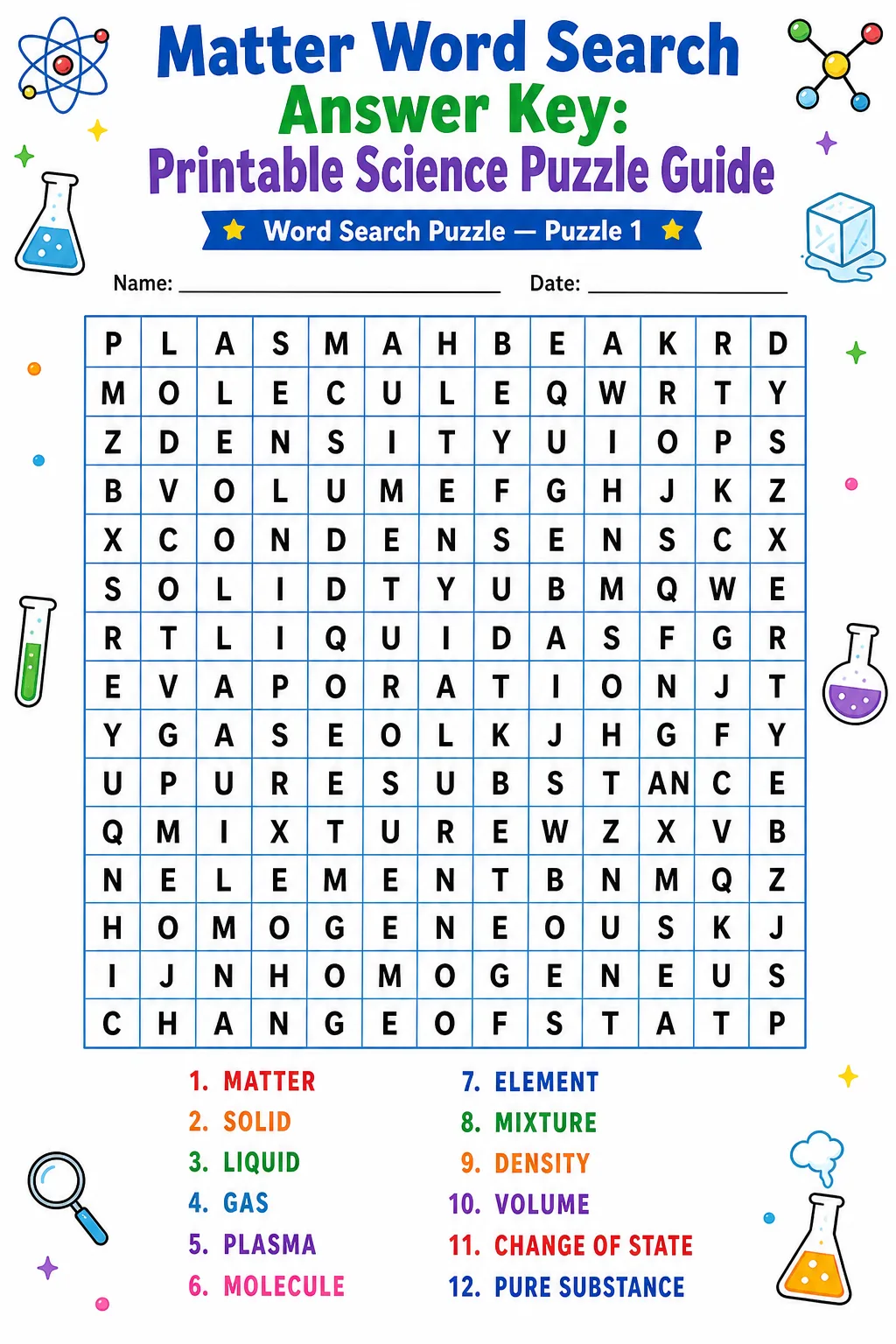
The matter word search answer key is an essential tool for anyone interested in creating or solving printable word search puzzles centered on the topic of matter in science. These puzzles are not only entertaining but also educational, helping learners to familiarize themselves with important scientific vocabulary. Whether you are a teacher, parent, or puzzle enthusiast, understanding how to use and create these word searches can enhance learning experiences significantly. This article will guide you through the process of making your own custom puzzles and interpreting the answer key effectively, ensuring that the activity remains both fun and informative.
Story
How the Matter Word Search Answer Key Came to Be
One rainy afternoon, while looking for a way to keep my kids entertained and learning, I stumbled upon the idea of creating a printable matter word search puzzle. My children were fascinated by science, especially the concept of matter, but they often found textbooks dry and hard to engage with. I wanted to combine their love of puzzles with educational content, so I gathered a list of key terms related to matter and crafted a word search that was both fun and informative.
As we worked through the puzzle together, I realized how effective this interactive approach was for reinforcing scientific vocabulary. The matter word search answer key became an essential part of this activity, allowing my kids to check their progress and learn correct spellings. Since then, I have shared this puzzle with teachers and families, who have found it equally helpful for classroom and home learning. This experience inspired me to create more themed puzzles that make science accessible and enjoyable for all ages.
How To Do It
Why This Works
Why This Post Works for Matter Word Search Answer Key
This guide is effective because it combines clear instructions with educational insight, making the matter word search answer key accessible to a wide audience. Word search puzzles are a proven method to enhance vocabulary retention and reinforce learning through active engagement. By focusing on scientific terms related to matter, this post encourages learners to connect with complex concepts in a fun and interactive way.
Furthermore, the step-by-step approach helps puzzle creators of all skill levels produce customized puzzles tailored to their audience’s needs. The inclusion of tips, common mistakes, and FAQs addresses typical challenges, ensuring users can avoid frustration and maximize the puzzle’s benefits. Overall, this post supports both educators and learners by providing practical tools and knowledge to make science learning enjoyable and effective.
FAQ
Pro Tips
Common Mistakes to Avoid
Final Thoughts
Creating and understanding a matter word search answer key is a rewarding way to combine education with fun. This guide has shown how to design puzzles that help learners explore scientific vocabulary related to matter while keeping the activity engaging and accessible. By following the instructions and tips provided, educators, parents, and puzzle fans can craft custom word searches that enhance retention and spark curiosity. Whether used in classrooms, homeschooling, or as family entertainment, these puzzles offer a valuable learning tool. Dive into creating your own matter word search puzzles today and watch how they bring science to life in an interactive way.
Choose words that are familiar yet challenging to maintain solver interest.
Use consistent font size and clear print when creating printable puzzles for readability.
Test your puzzle by solving it yourself or with others before sharing widely.
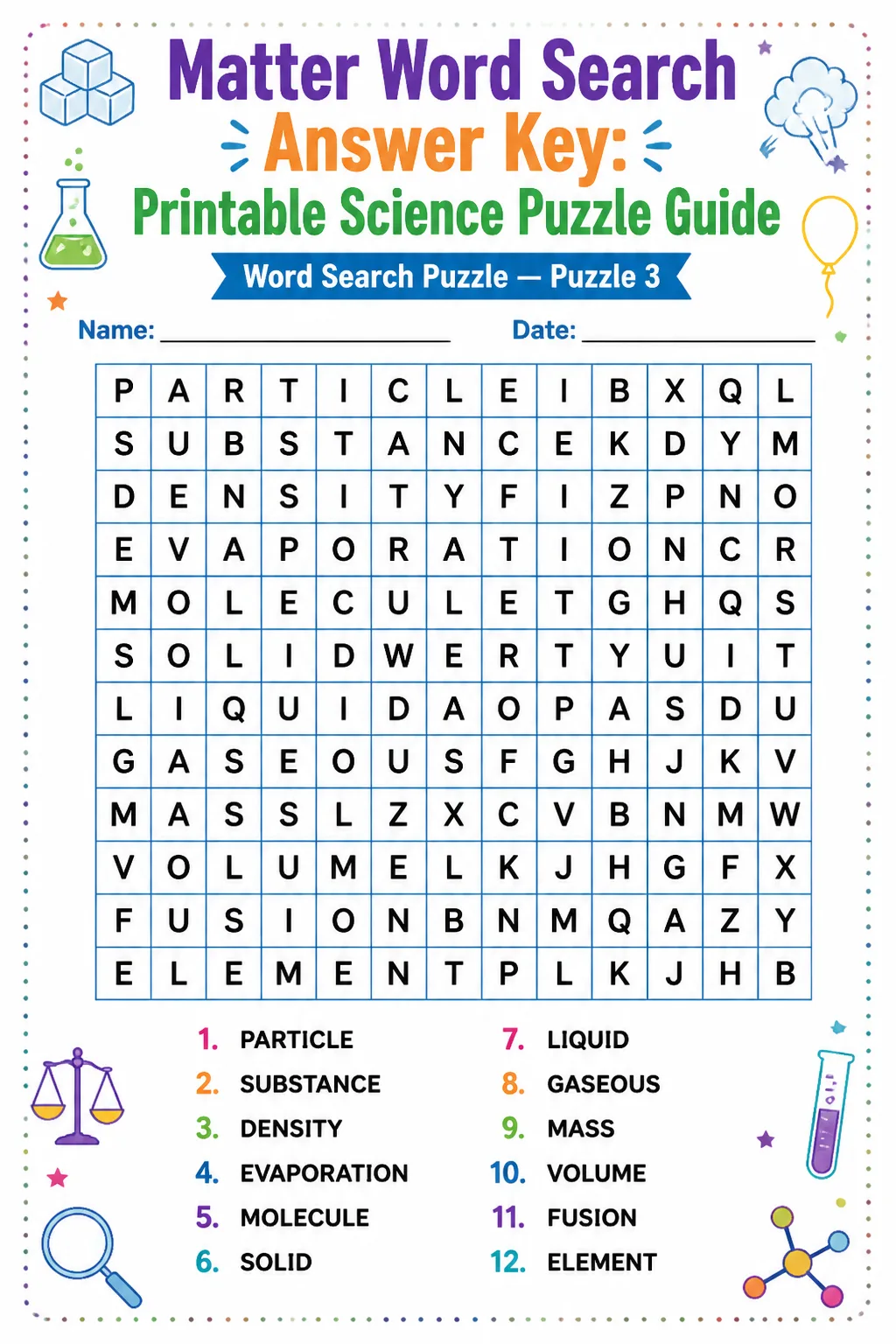
Provide a well-organized answer key to help solvers learn from their mistakes.
Gallery
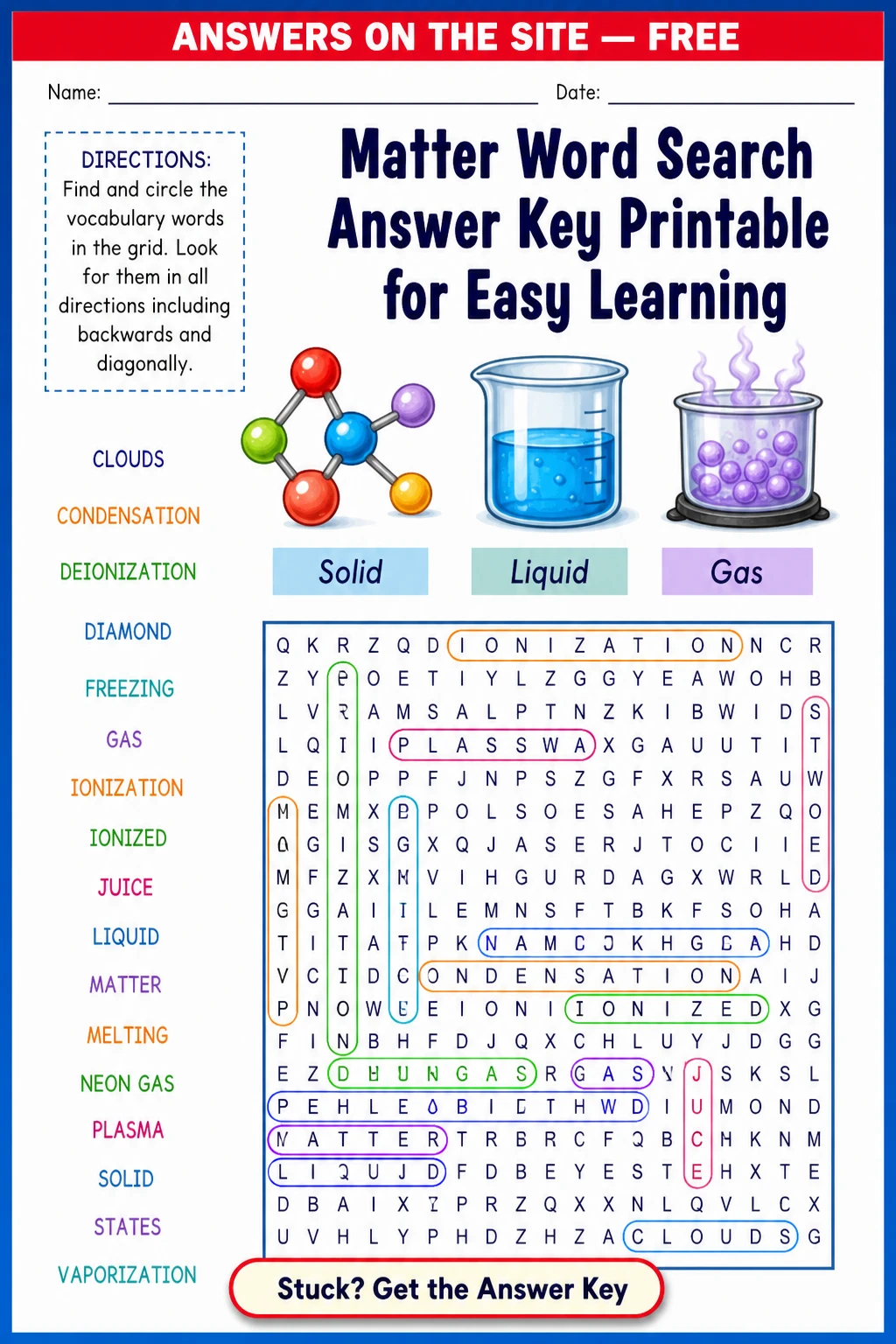
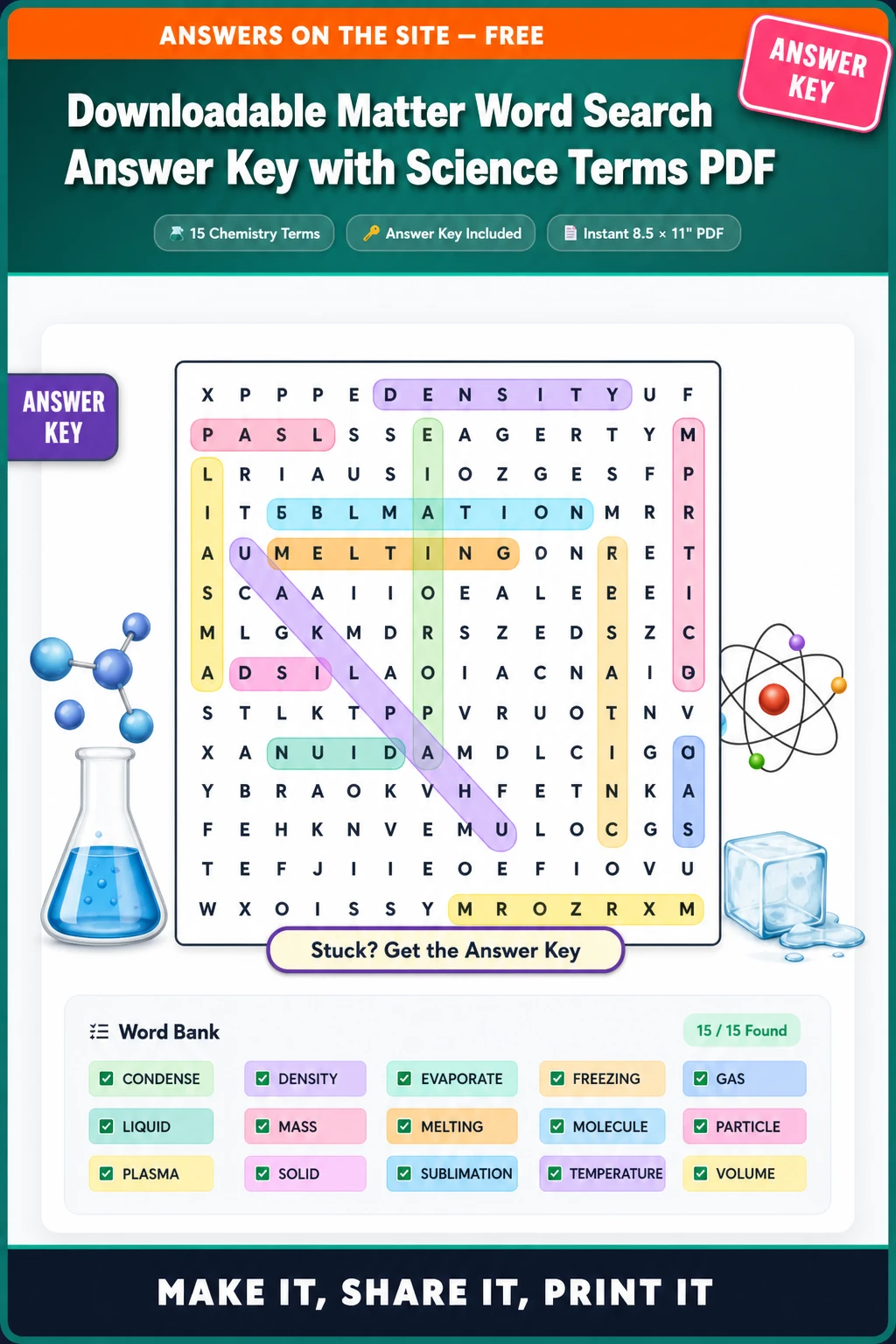
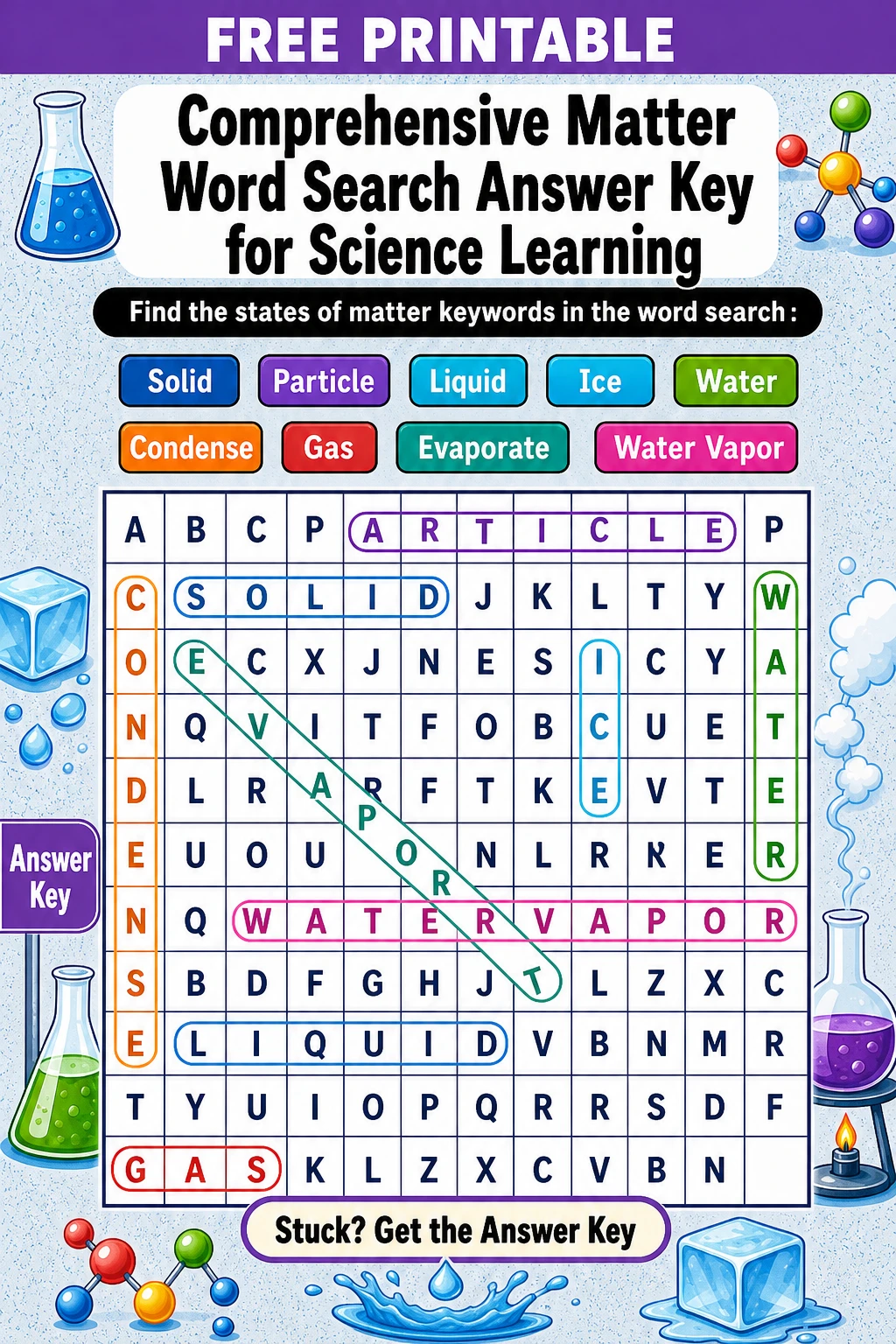
Create puzzle
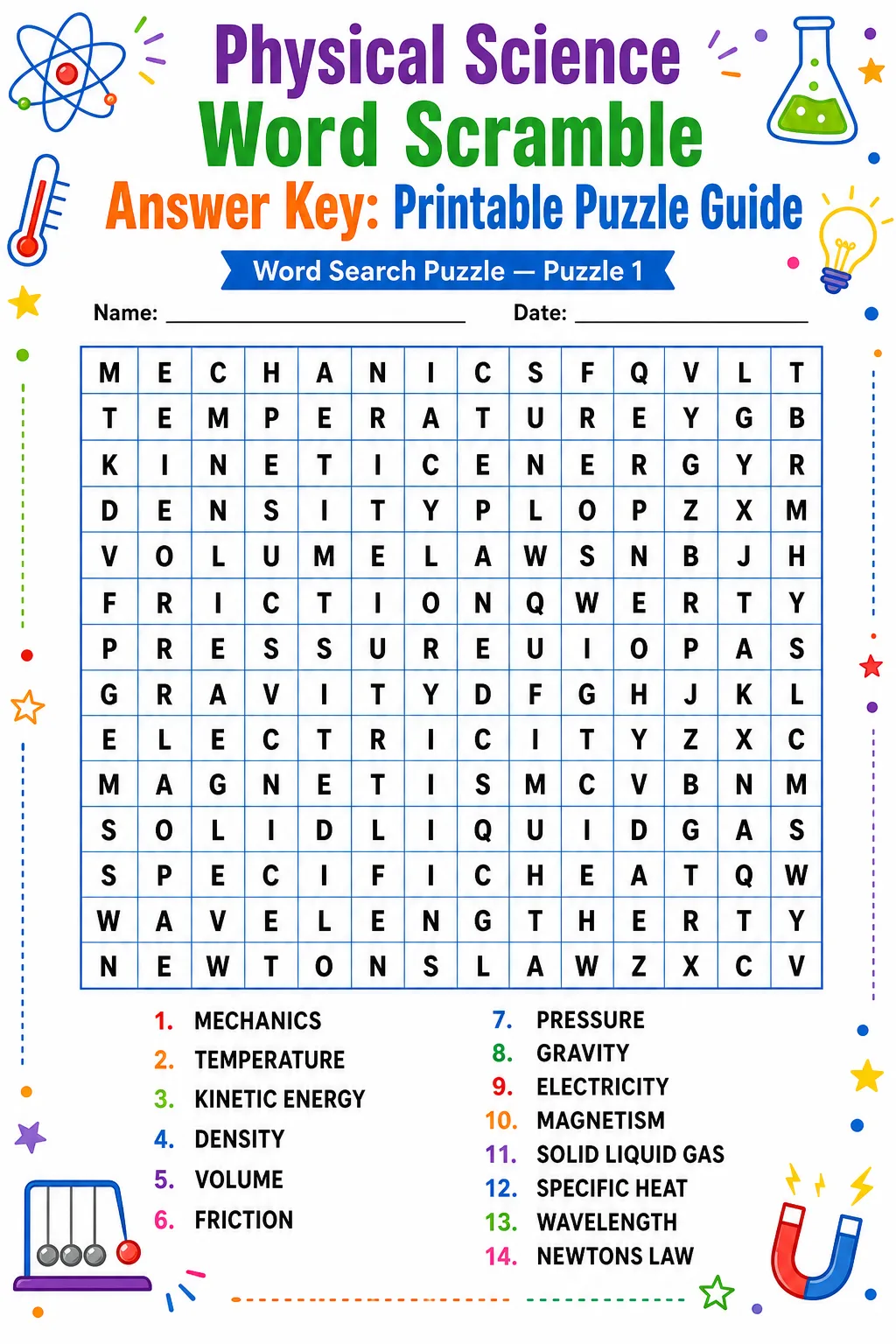
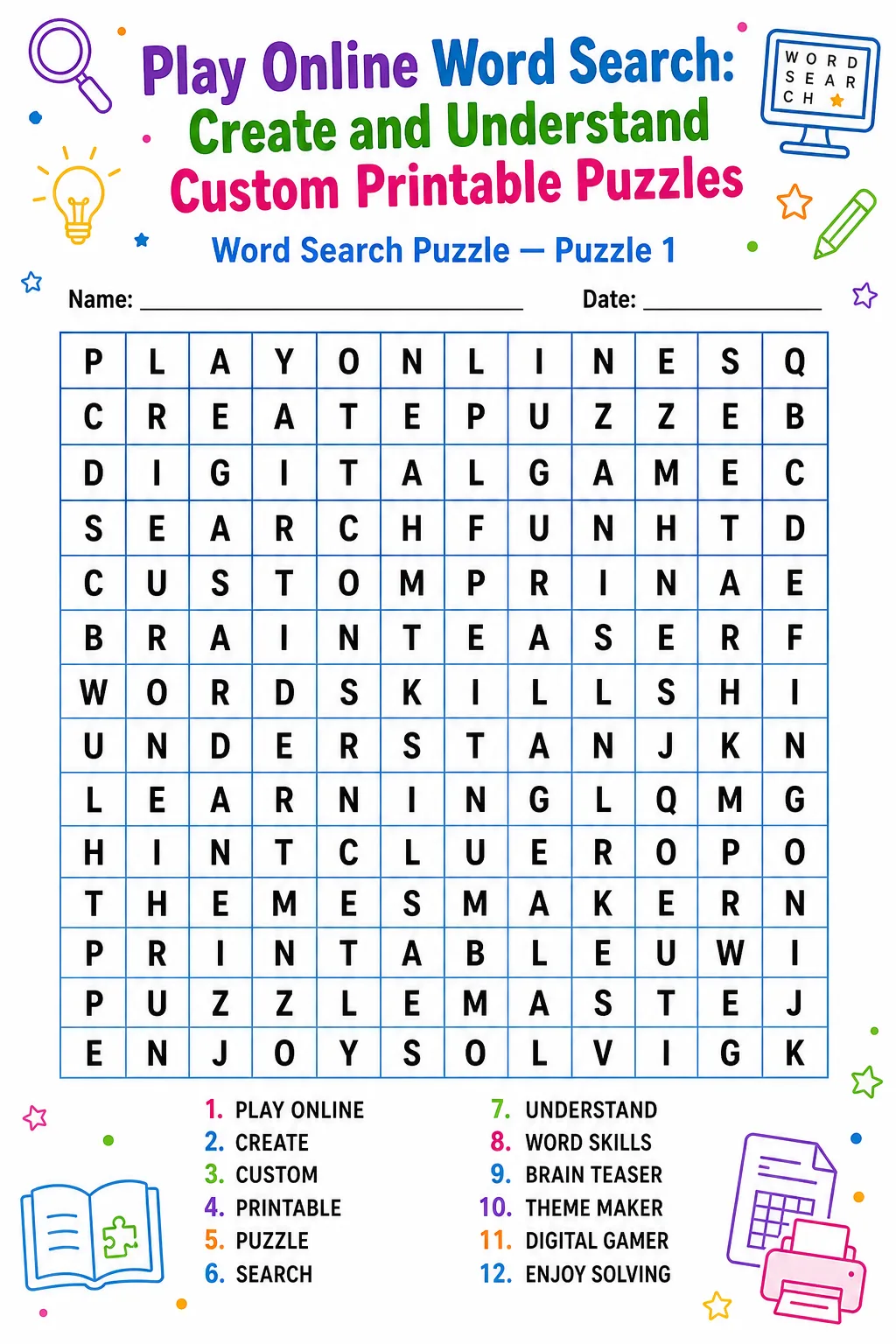
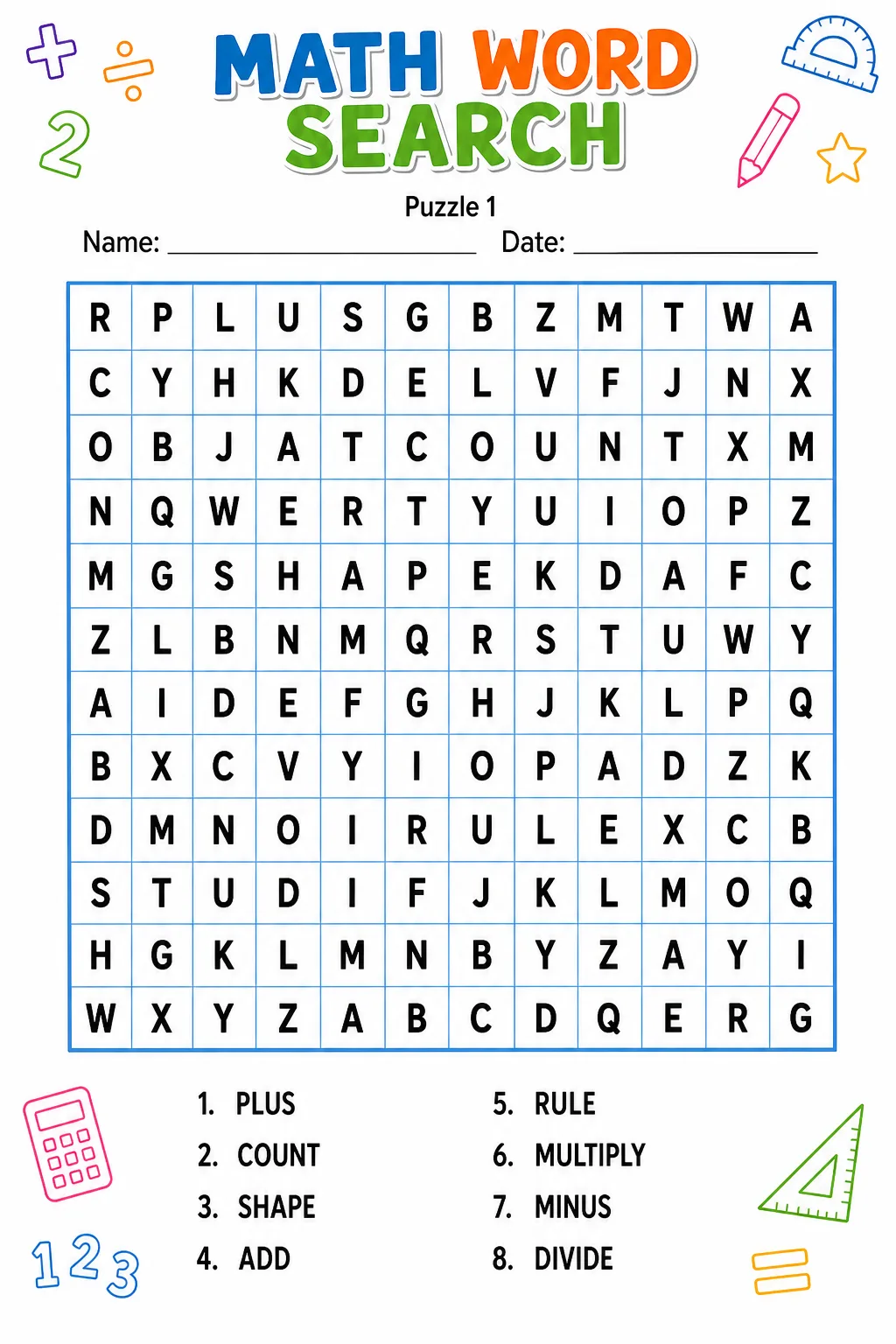
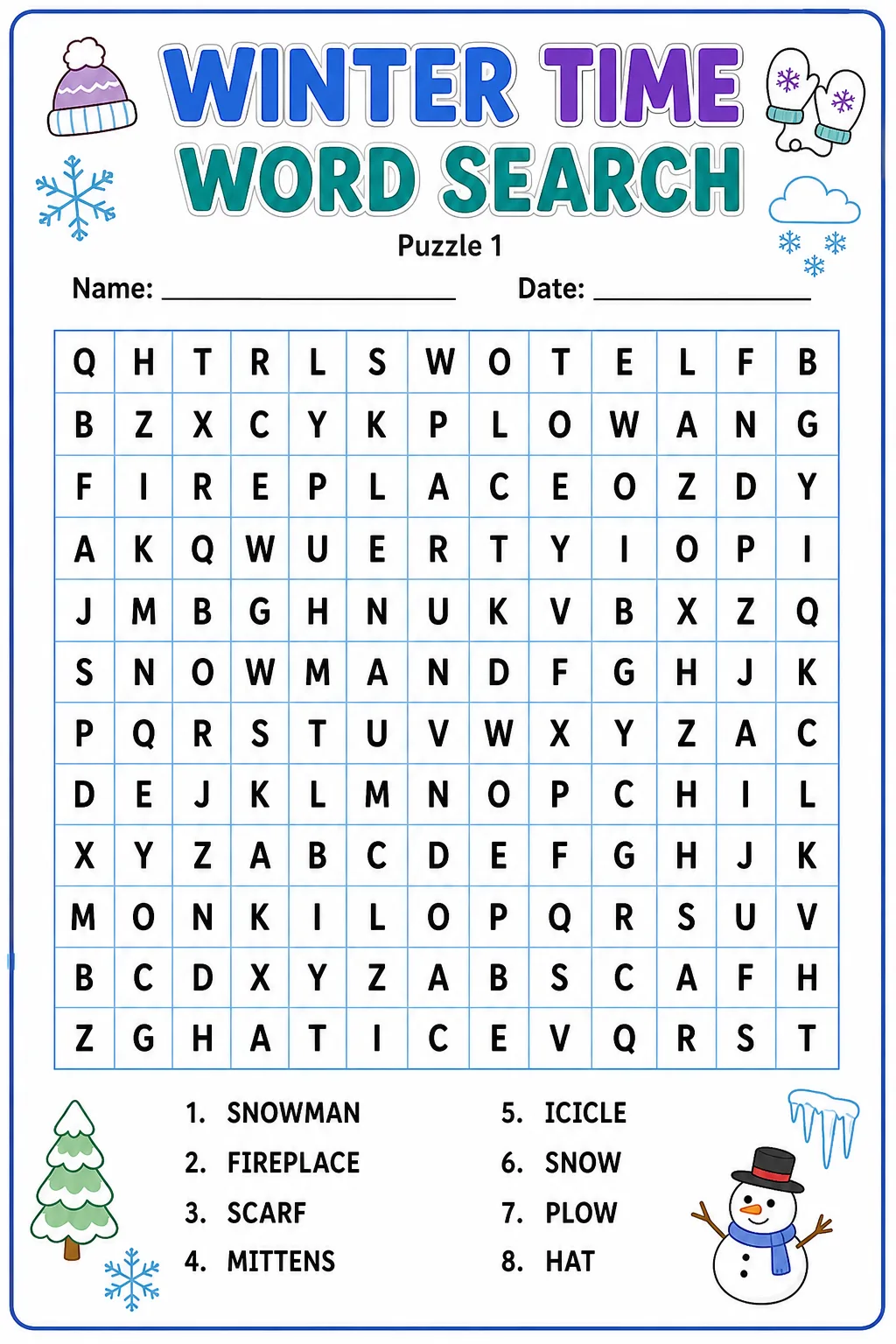
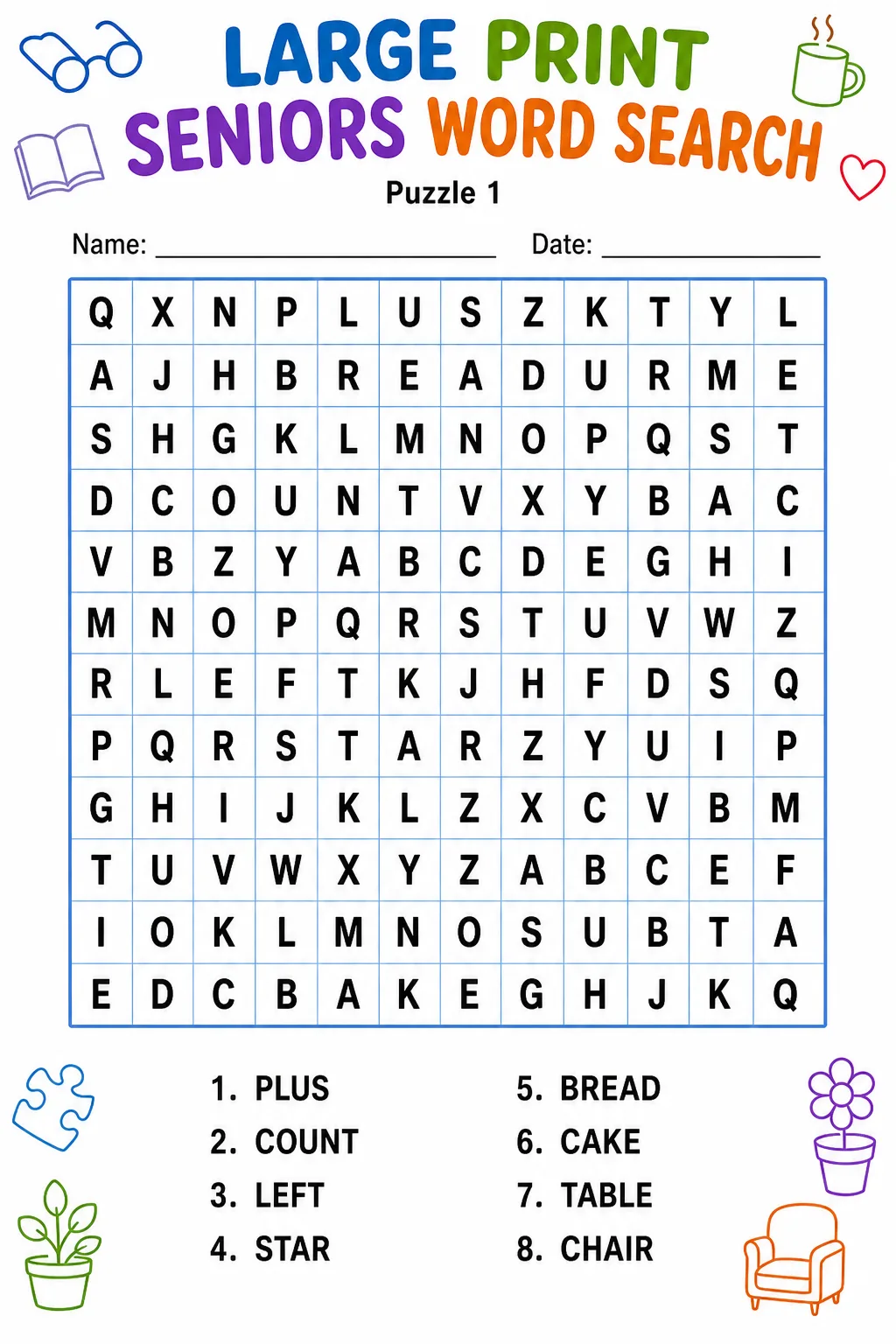
To create a custom matter word search puzzle, begin by selecting a theme that fits the educational goal, such as states of matter or physical properties. Compile a list of words that are relevant and appropriate for your audience, keeping in mind the difficulty level you want to achieve.
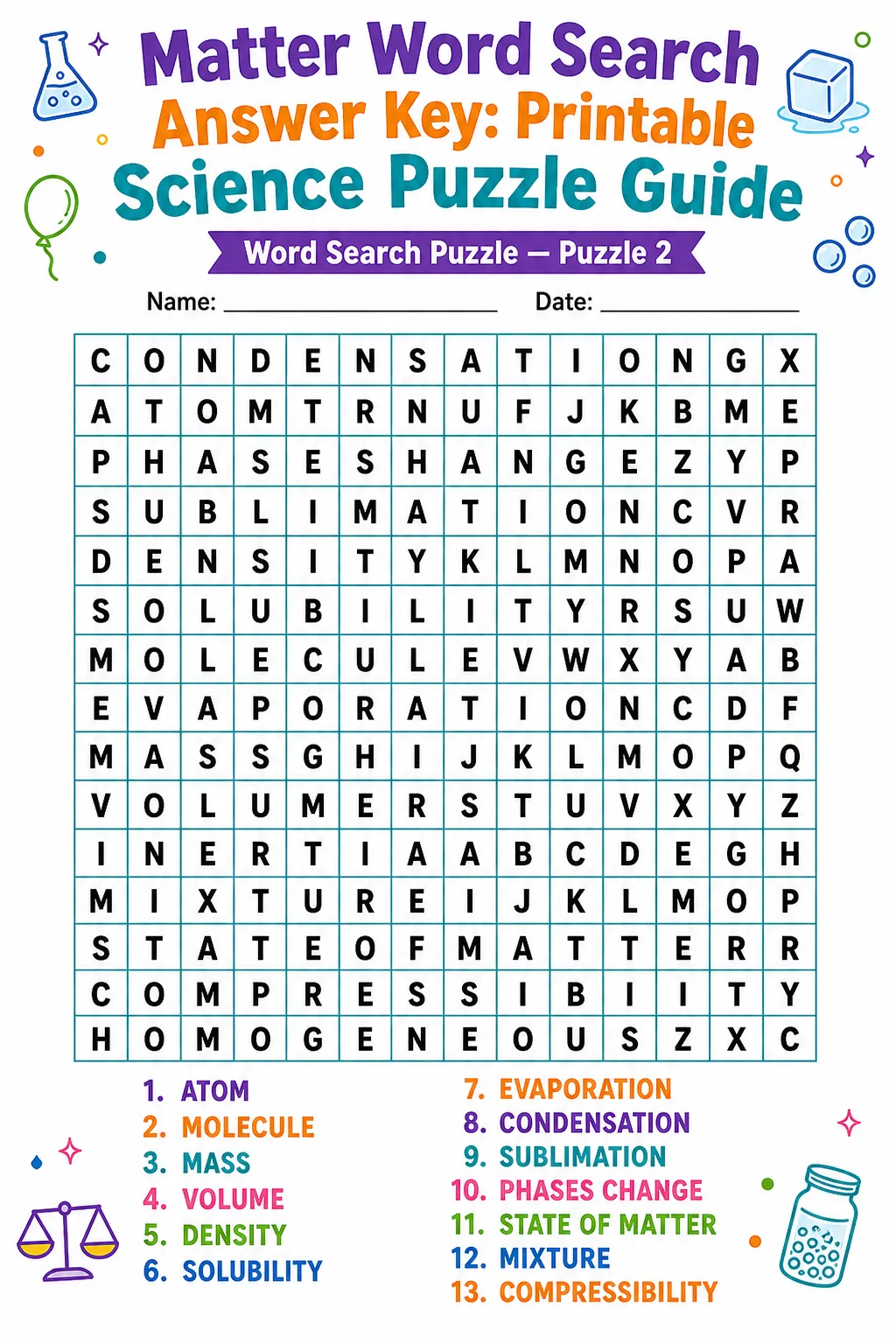
Next, decide on the grid size. Smaller grids with fewer words are perfect for younger children, while larger grids with more words and varied word directions suit older students. Including diagonal and backward words can increase the challenge, but be careful not to make the puzzle too difficult for your intended solvers.
When placing words, avoid very long terms or those with spaces and symbols, as they can disrupt the puzzle’s flow. Use a puzzle generator or arrange the words manually, then fill in the empty spaces with random letters. Finally, create an answer key by marking the location of each word. This key is vital for verifying answers and enhancing the learning process. Print your puzzle and answer key for easy distribution and enjoy the educational fun you’ve crafted.
Leave a Reply