
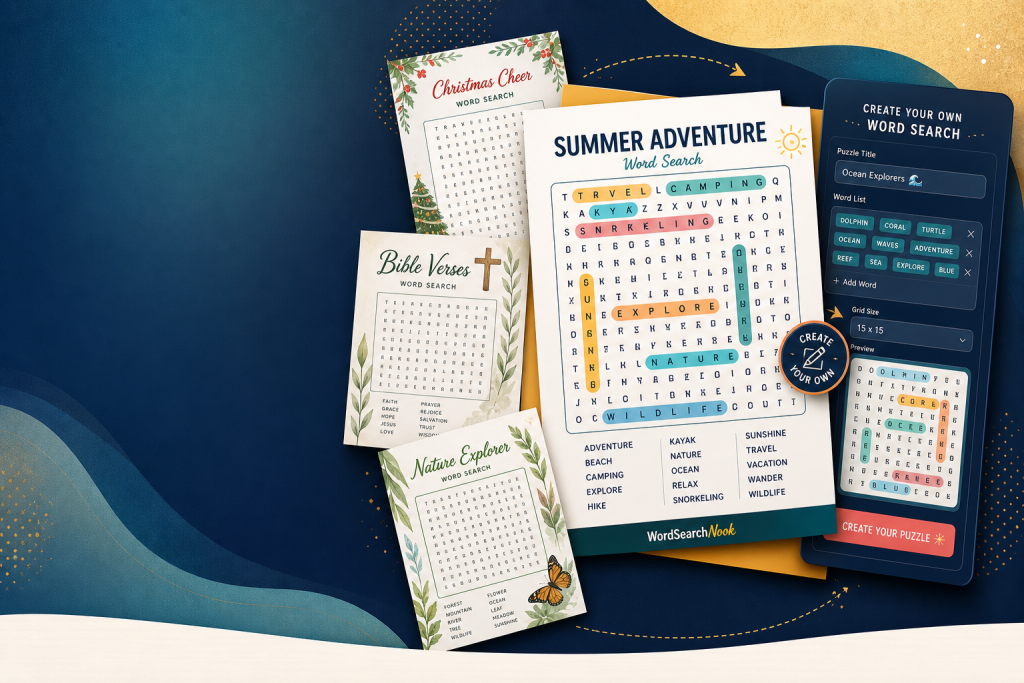
Number find puzzles are a fun and educational way to help children recognize and identify numbers through engaging word search activities. This guide explains how to create custom printable puzzles that boost early math skills while providing hours of entertainment. Learn tips, common mistakes, and step-by-step instructions to design your own number find puzzles easily.
Introduction
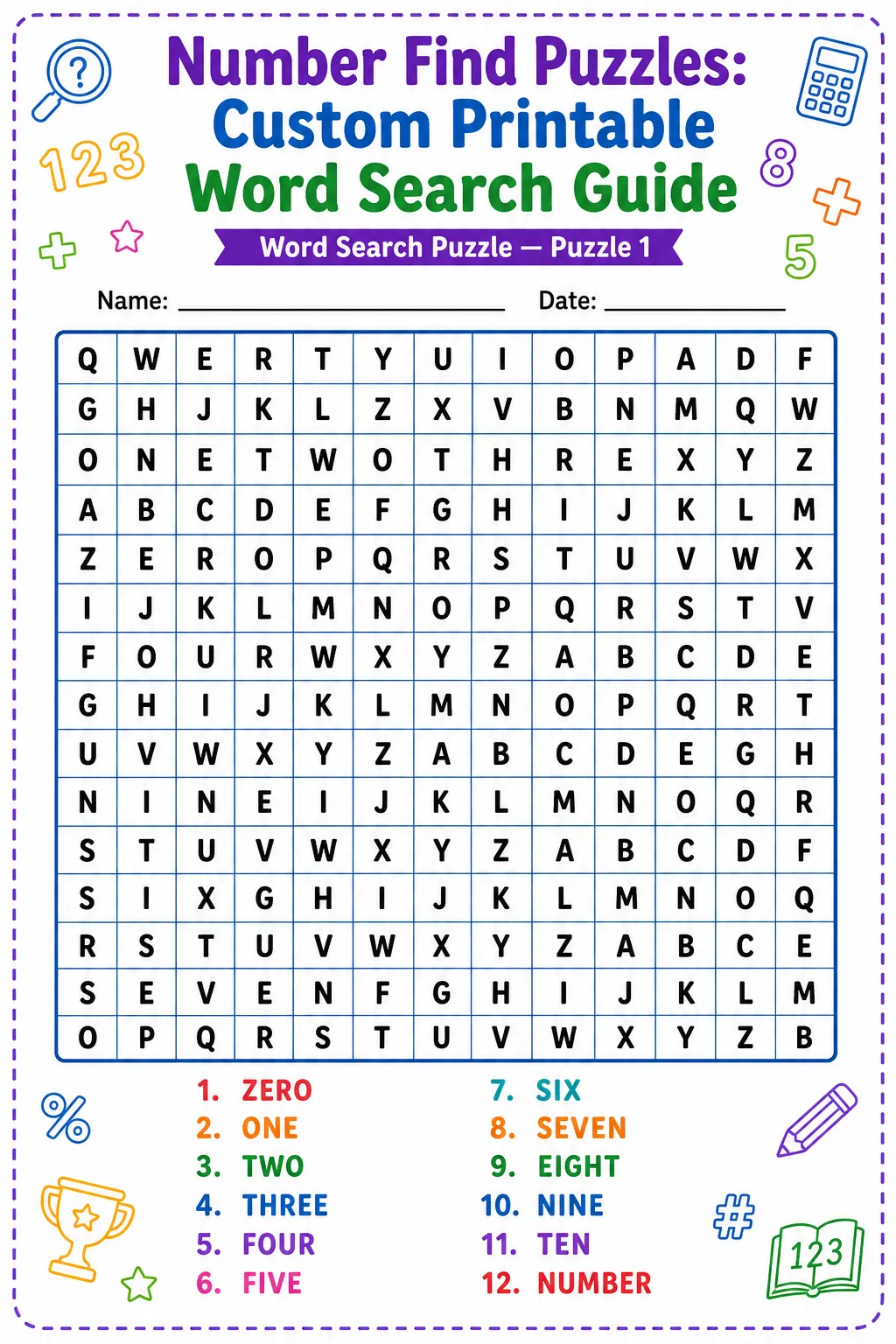
Number find puzzles are an enjoyable tool for children to improve their number recognition and problem-solving skills. These printable word search puzzles combine fun with learning, making early math practice feel like a game rather than a chore. In this article, you will discover how to create your own custom number find puzzles that are perfect for kids of various ages. Whether you are a parent, teacher, or caregiver, these puzzles offer a creative way to engage children in learning numbers while enhancing their focus and attention to detail.
By following the steps and tips provided here, you can tailor puzzles to different skill levels and themes, ensuring that the activity remains challenging yet accessible. Along with instructions, you will find advice on avoiding common pitfalls, making the puzzles more effective and enjoyable. Let’s dive into the world of number find puzzles and explore how to make them a valuable part of your educational toolkit.
Story
One rainy afternoon, I found myself looking for a fun yet educational activity to keep my young niece entertained. She was just starting to learn her numbers, and I wanted something that would both challenge and engage her. That’s when I thought of number find puzzles. These puzzles combine the joy of word searches with the goal of recognizing numbers, making learning feel like a game. We sat together, and as she searched for numbers hidden in the grid, I noticed her excitement grow. It was rewarding to see her concentration and the smile on her face when she found each number. Since then, number find puzzles have become a favorite activity in our family, perfect for quiet afternoons or classroom breaks. They offer a wonderful way to practice number skills while having fun, and I’m excited to share how you can create your own.
How To Do It
Why This Works
Benefits of Number Find Puzzles
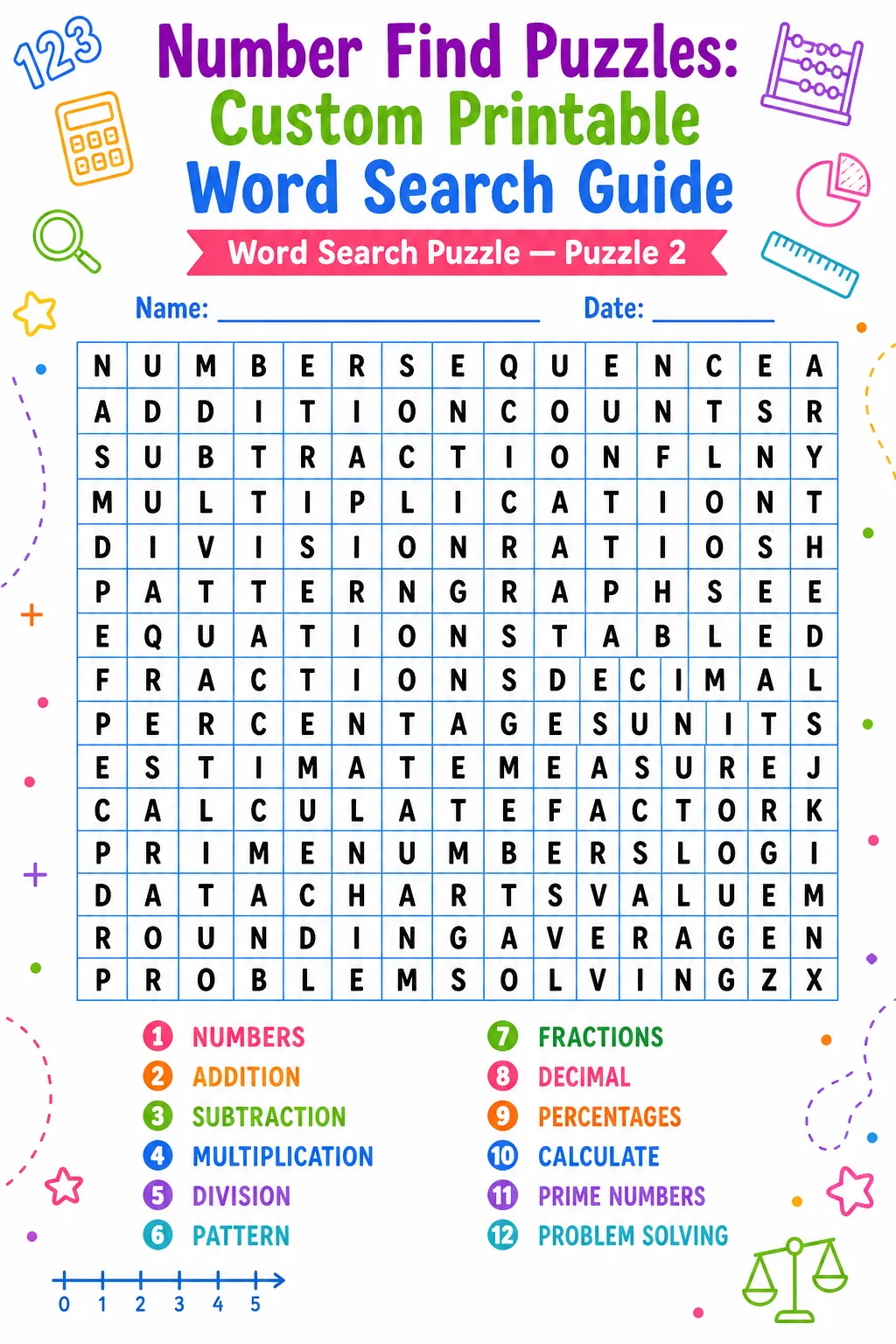
Number find puzzles are more than just a fun pastime; they play a significant role in developing early math skills and cognitive abilities. By searching for numbers hidden in a grid, children improve their number recognition, visual scanning, and concentration. This type of puzzle encourages problem-solving and patience, which are essential skills for academic success.
Why This Guide Helps
This guide works because it breaks down the creation of number find puzzles into manageable steps, making it accessible even for those with no prior experience. It explains how to tailor puzzles to different ages and skill levels, which ensures the activity remains engaging and effective. Additionally, the tips and common mistakes sections help avoid frustration and improve the quality of the puzzles you create.
By combining educational value with creative freedom, this post empowers parents and educators to make learning numbers enjoyable. The detailed instructions and practical advice help readers produce custom printable puzzles that can be used repeatedly, supporting independent learning and reinforcing number skills in a fun way.
FAQ
Pro Tips
Common Mistakes to Avoid
Final Thoughts
In summary, number find puzzles are an excellent resource for making number learning fun and interactive. By creating custom printable puzzles tailored to your child's age and skill level, you can provide a valuable educational tool that promotes focus, problem-solving, and early math skills. This guide offers all the steps and tips you need to design effective puzzles that children will enjoy repeatedly. Start making your own number find puzzles today and watch as kids develop their number recognition and cognitive abilities through play.
Choose simple number words that are easy to spot for beginners.
Use contrasting colors when printing to make the puzzle clearer.
Limit the number of hidden words to avoid overwhelming young solvers.
Provide an answer key to help children check their work and learn independently.
Gallery
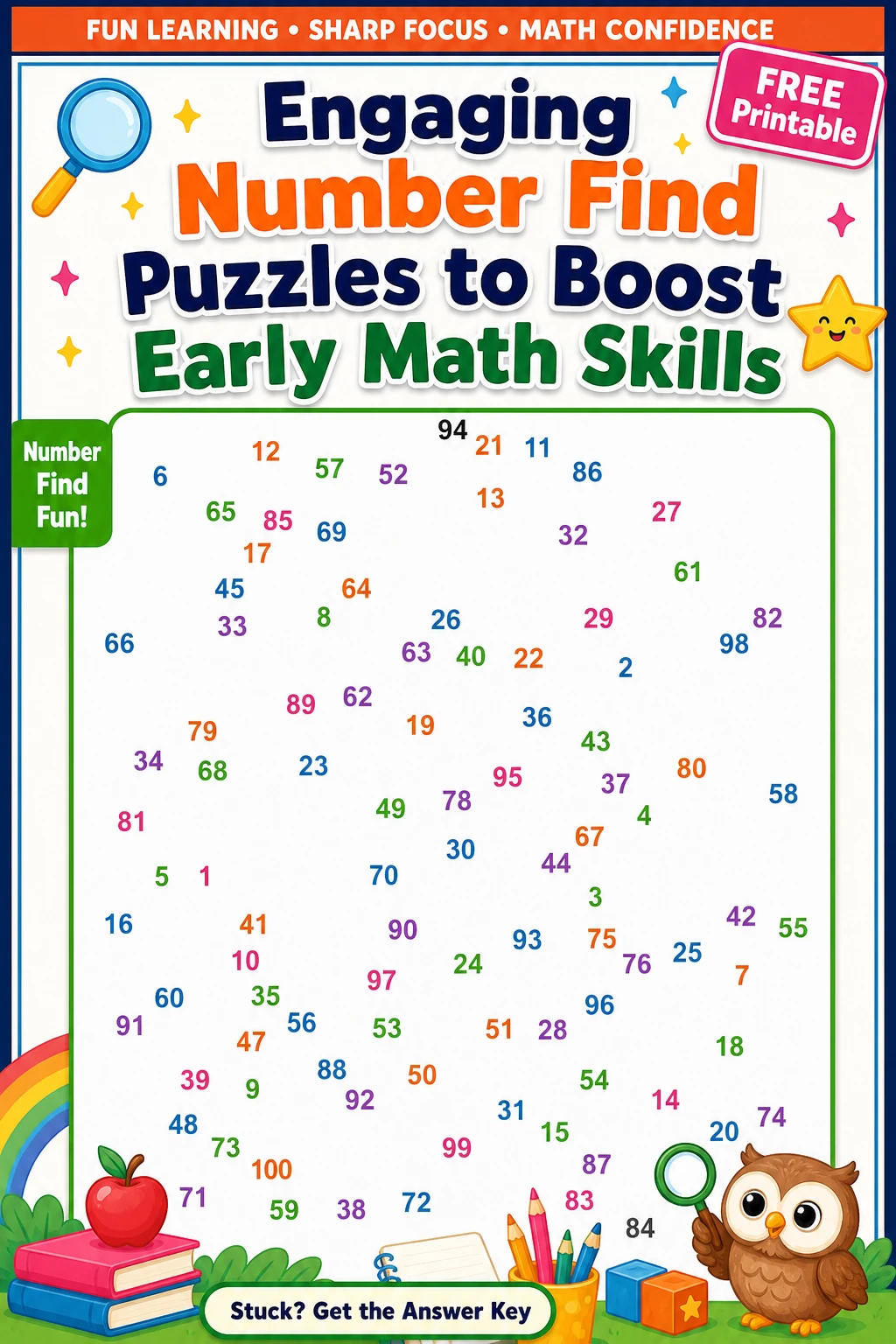
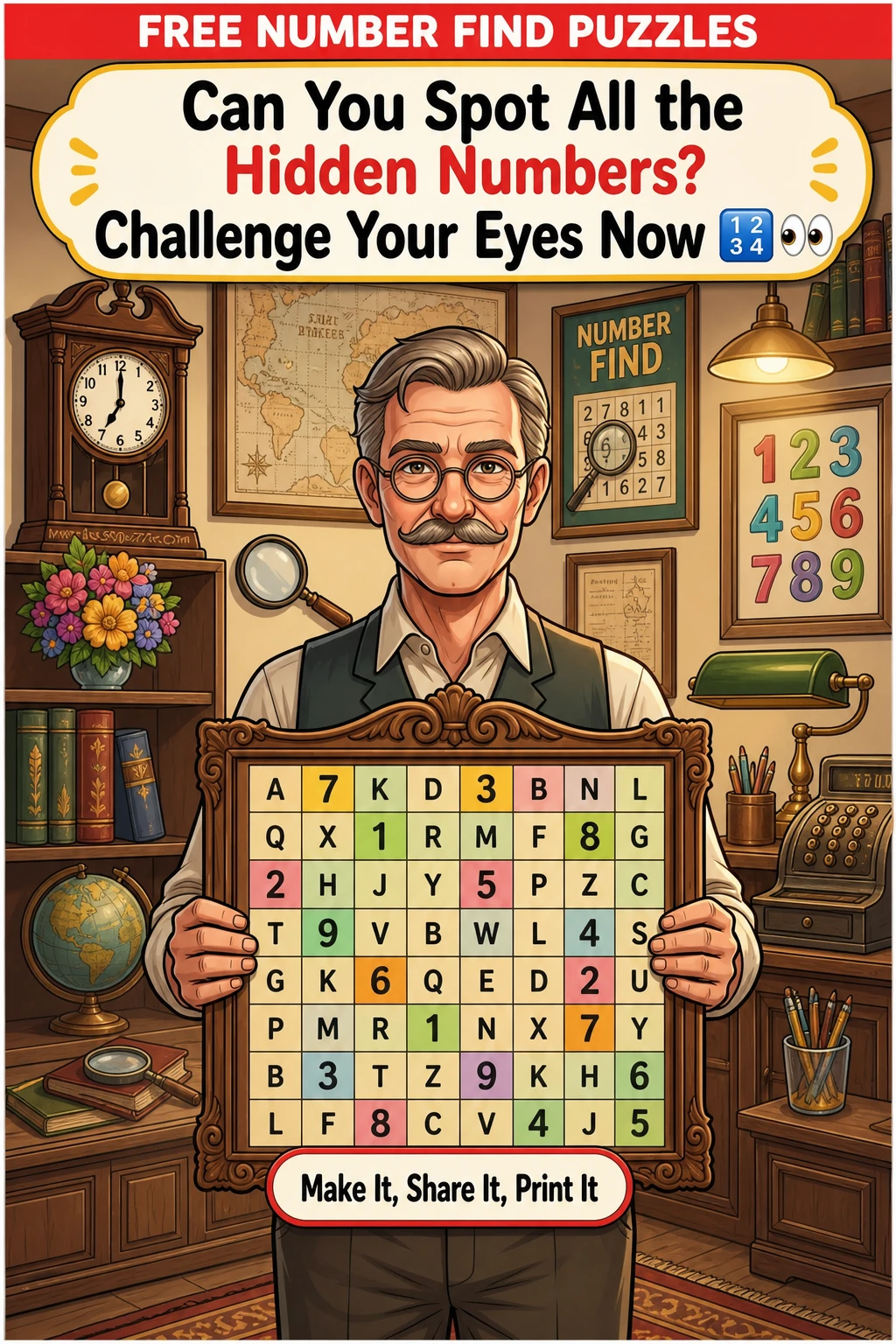
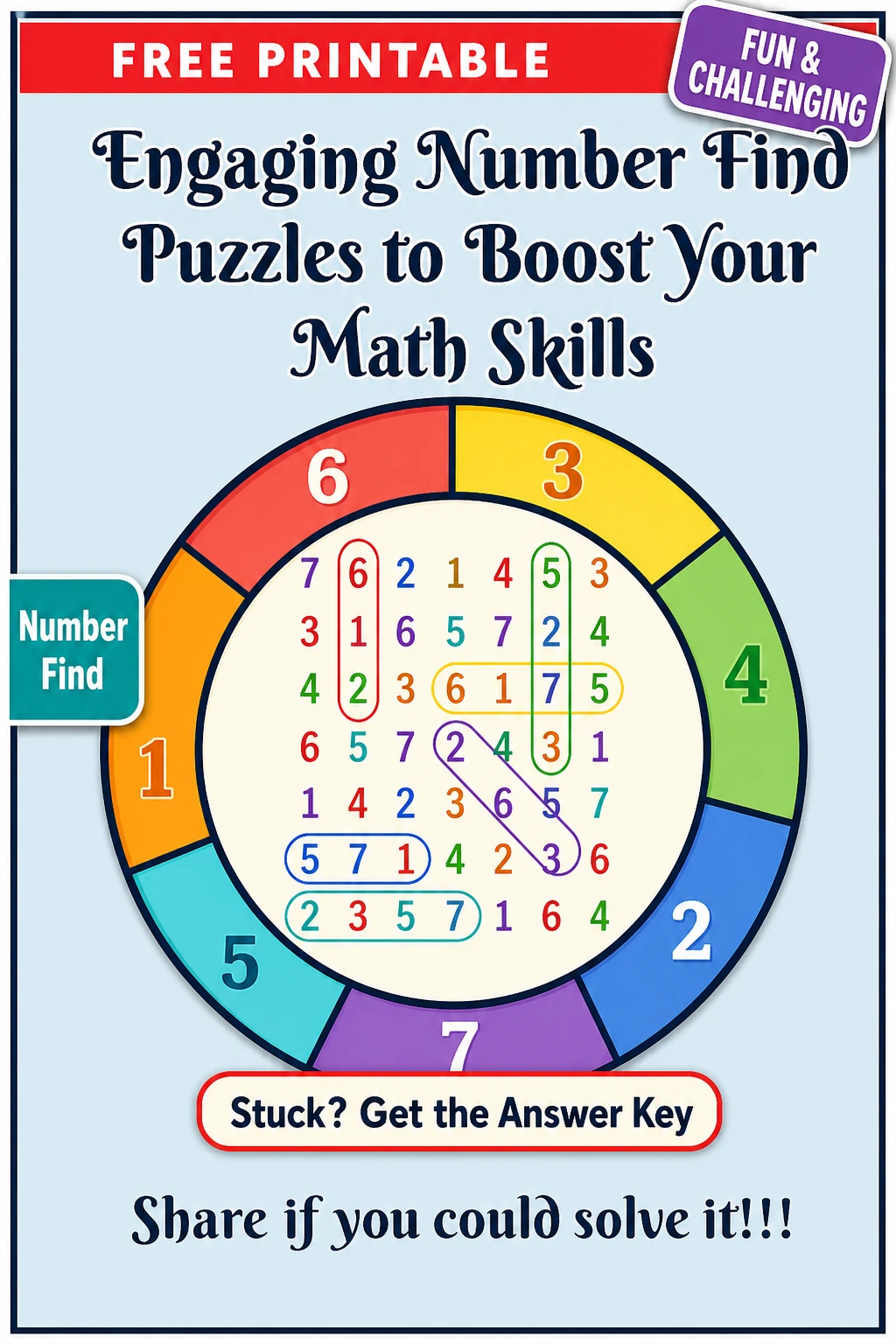
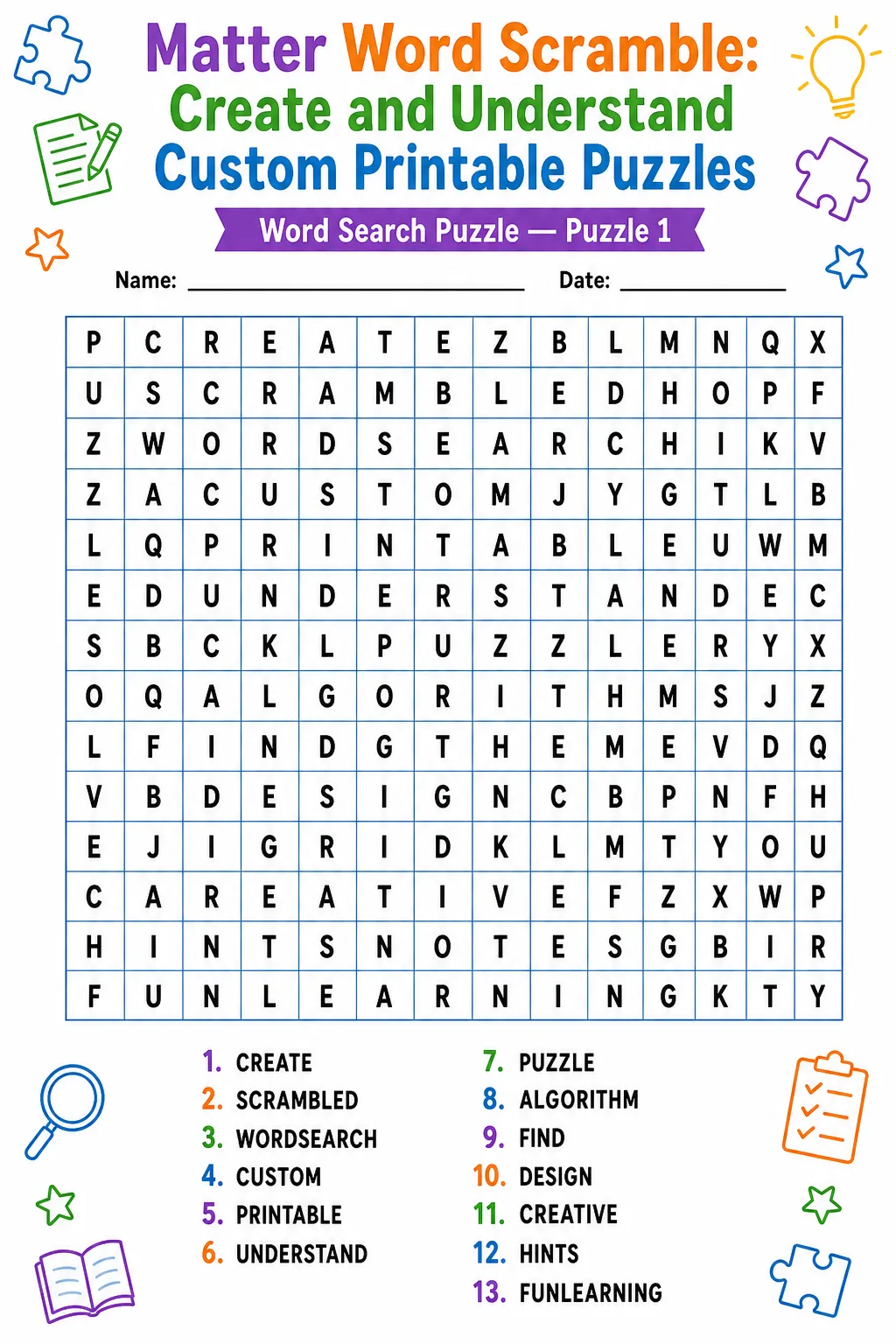
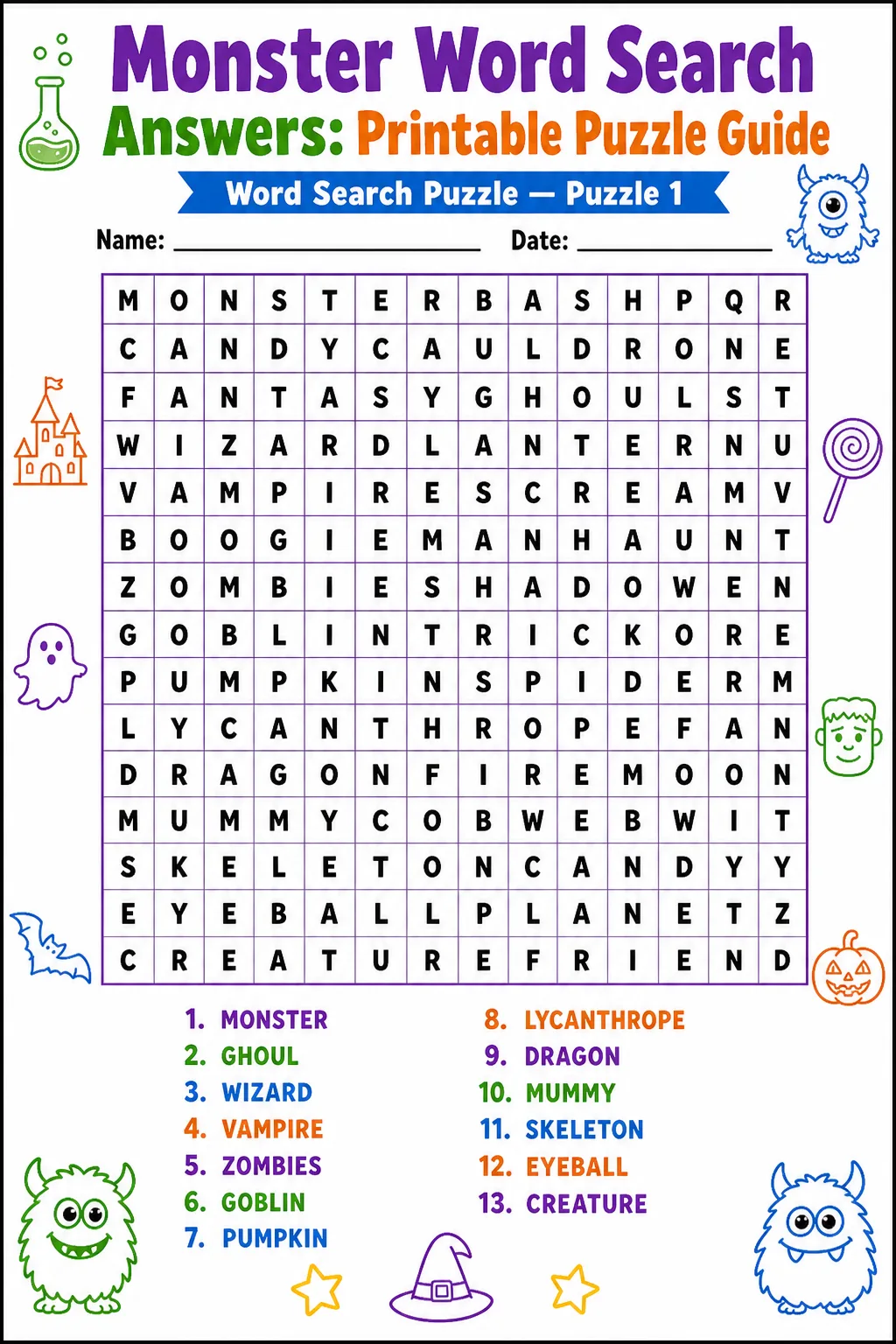
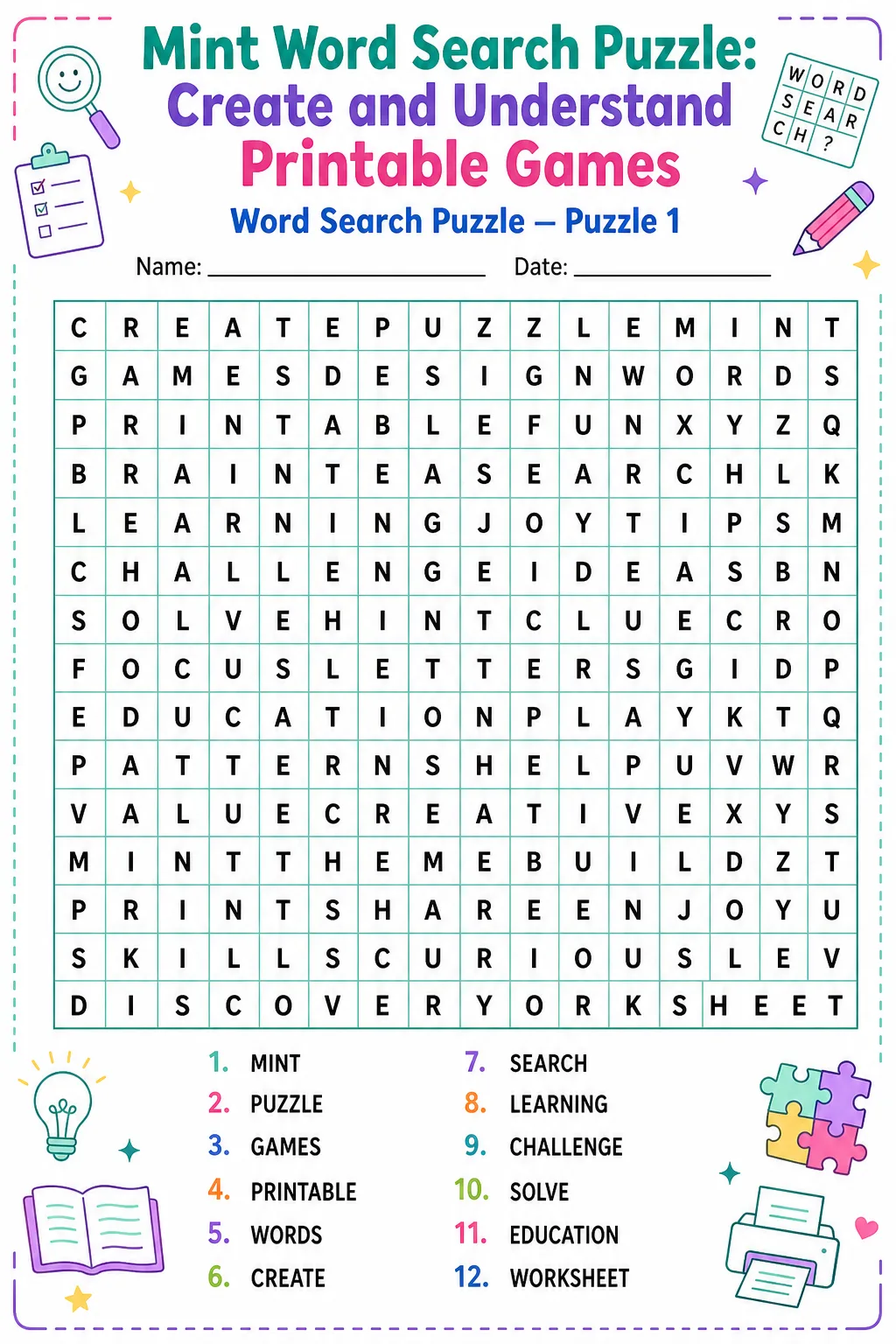
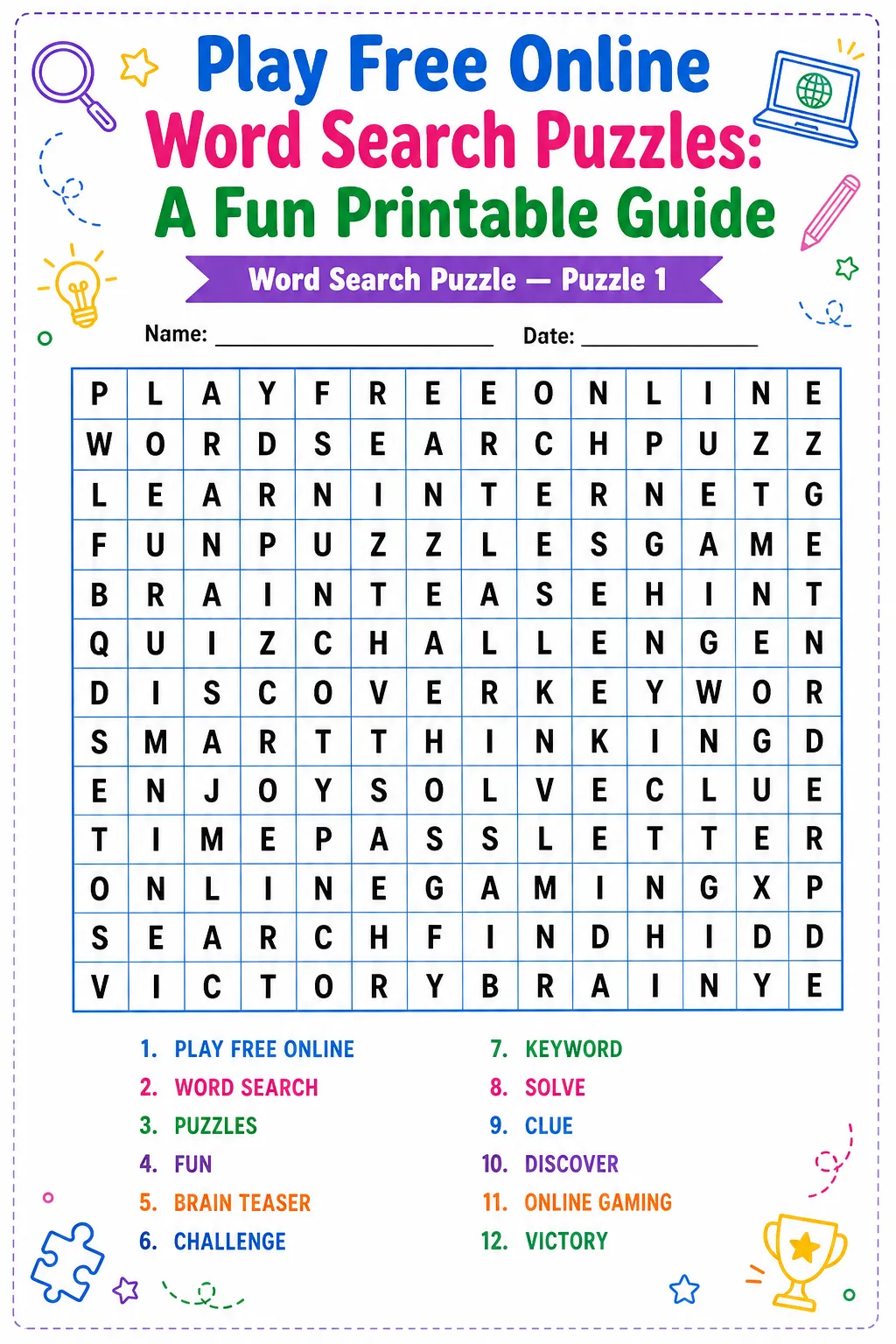
Create puzzle
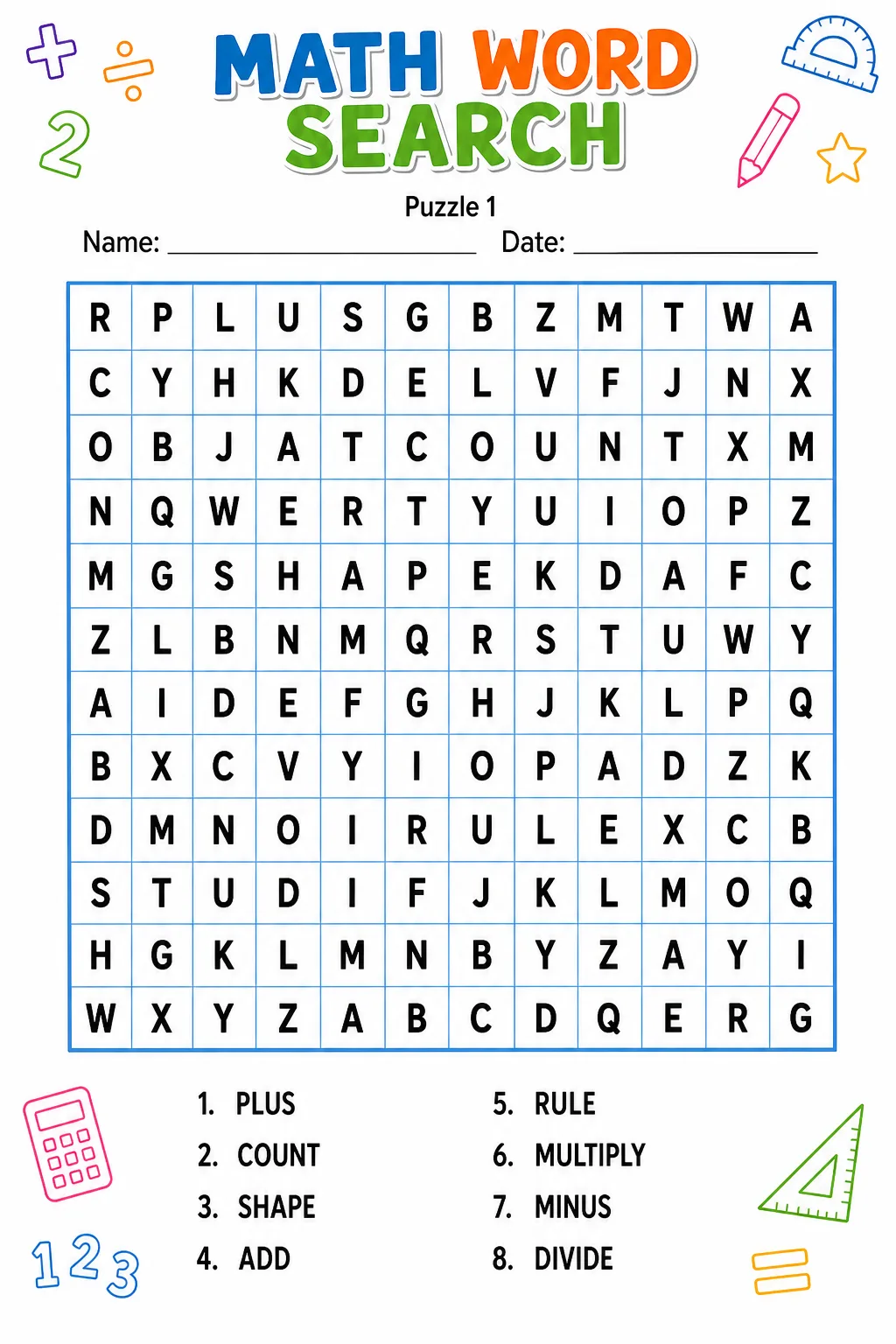
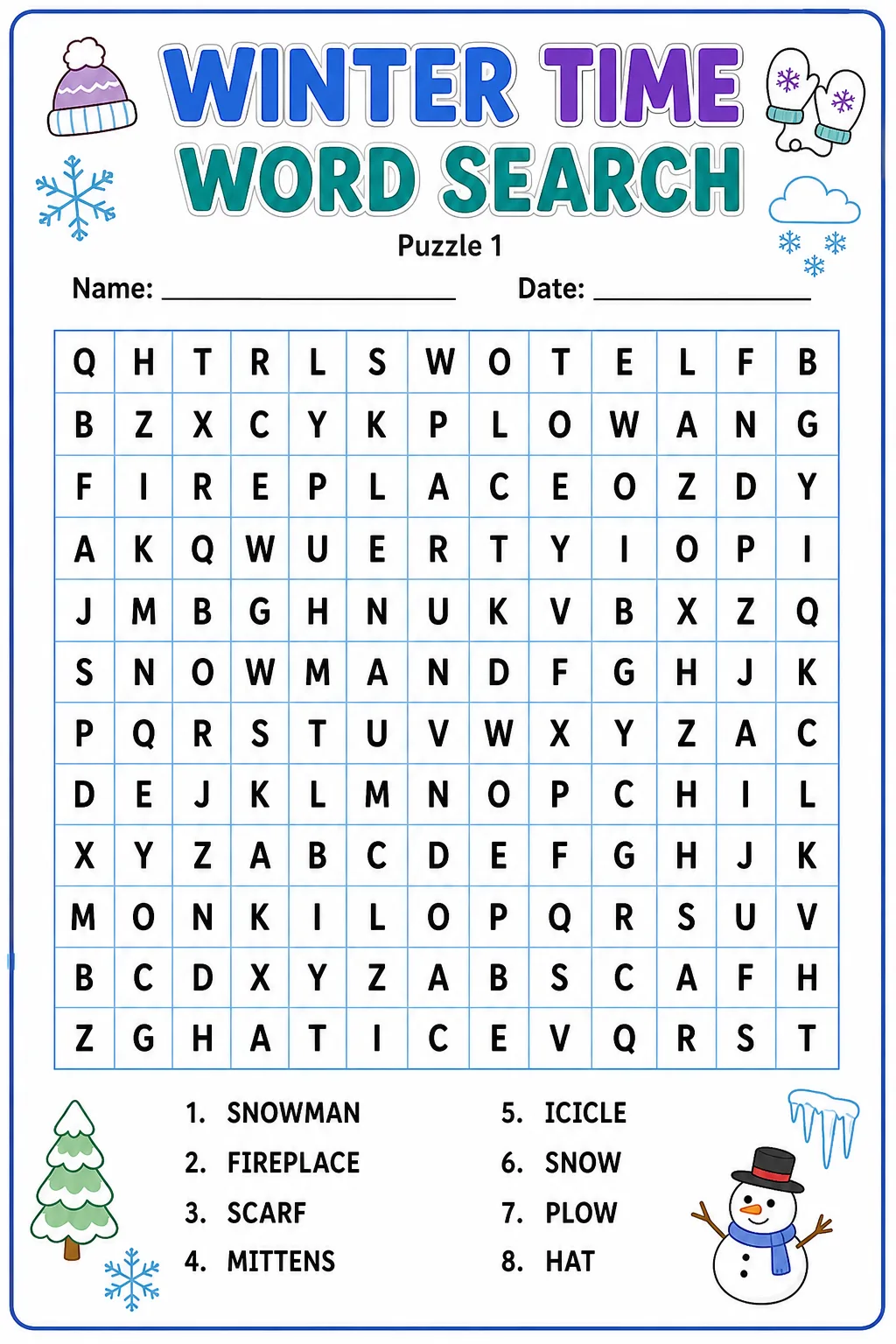
Begin by selecting a theme that suits the age and interests of your audience. For number find puzzles, common themes include numbers zero to ten, simple math terms, or even number-related objects. Compile a list of words or numbers that fit this theme, keeping the length and complexity appropriate. Shorter words or numbers work best for younger children.
Picking Grid Size and Word Count
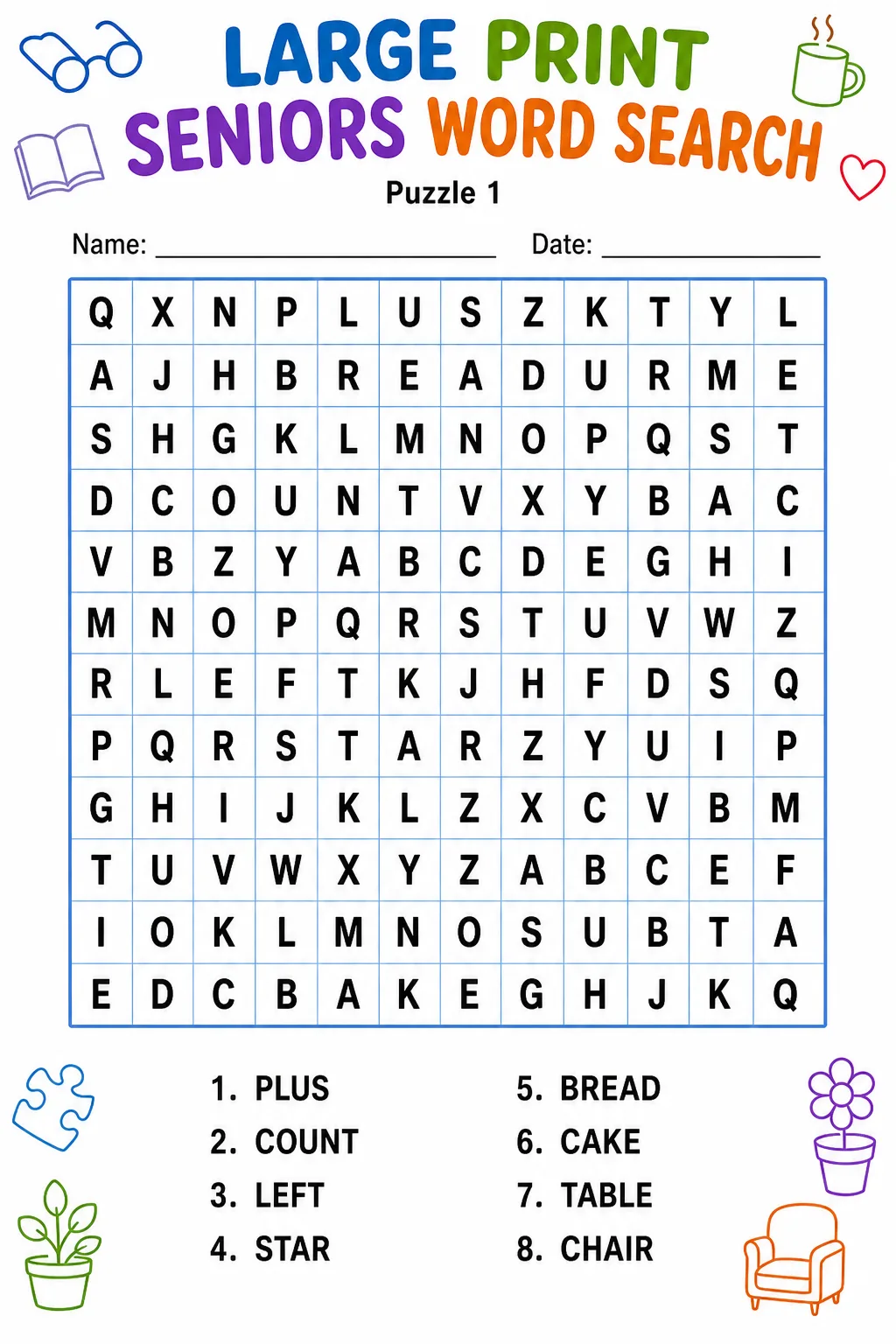
The grid size should match the skill level of the puzzle solvers. Younger children benefit from smaller grids, such as 8×8 or 10×10, with fewer words to find. Older kids can handle larger grids with more words, which increases the challenge. The number of words included also affects difficulty; fewer words make the puzzle easier, while more words add complexity.
Adjusting Difficulty and Word Placement
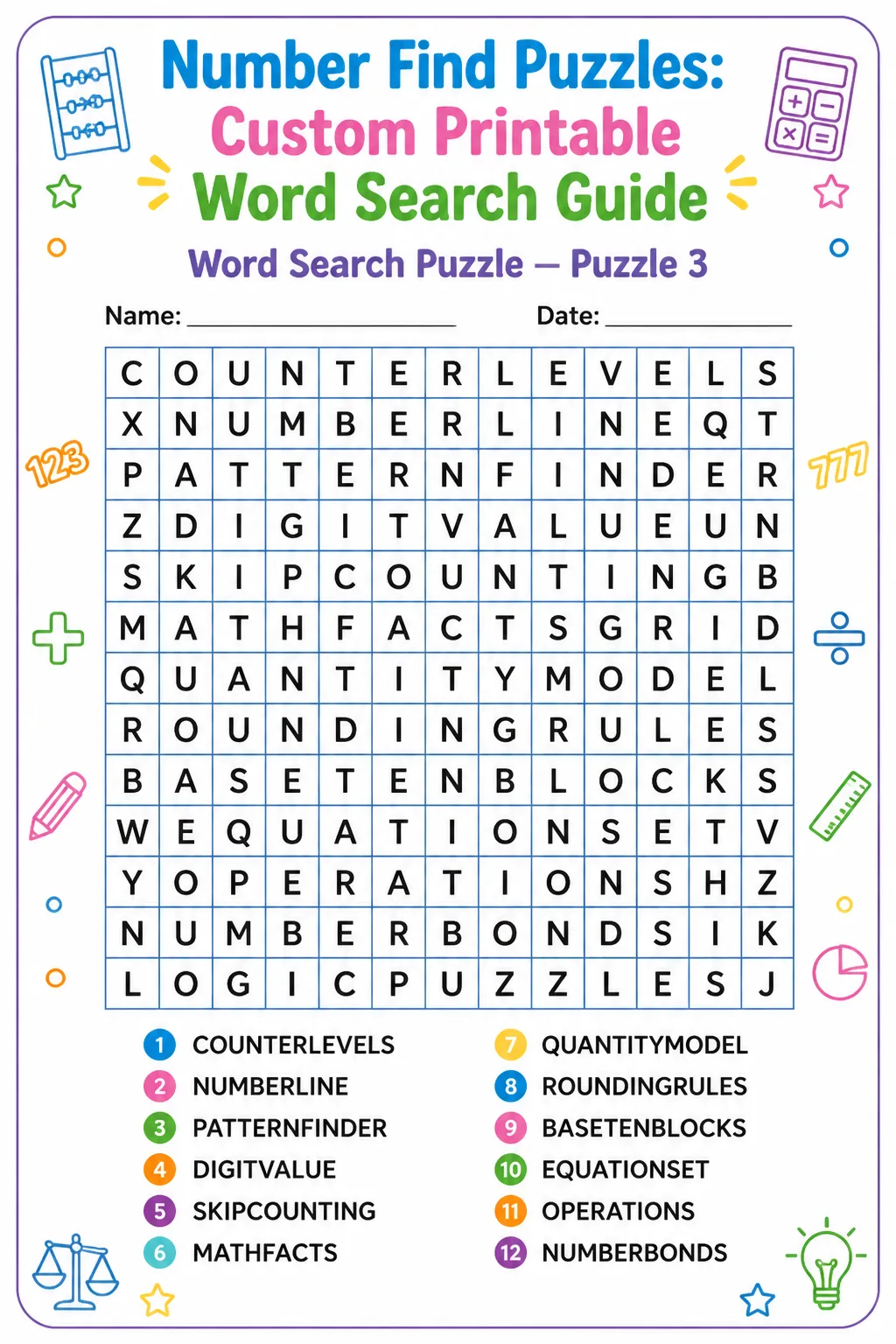
To vary difficulty, you can include words placed diagonally or backward in the grid. This makes the puzzle more engaging and tests visual scanning skills. Keep in mind that very long words or those with spaces and symbols may be skipped because they are harder to fit neatly into the grid and can confuse young players. Fill empty spaces with random numbers or letters to complete the puzzle, and always create an answer key for reference.
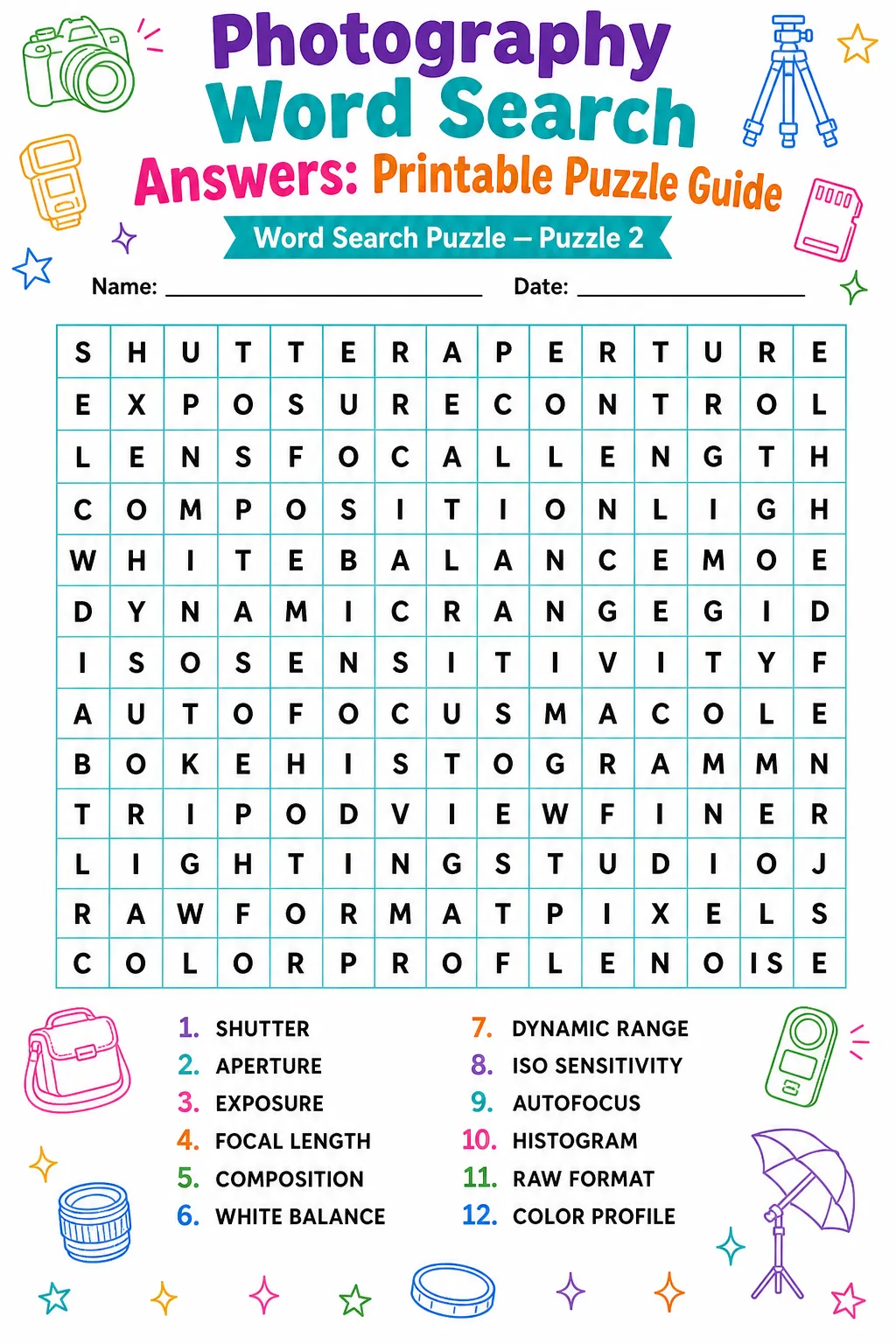
Leave a Reply