
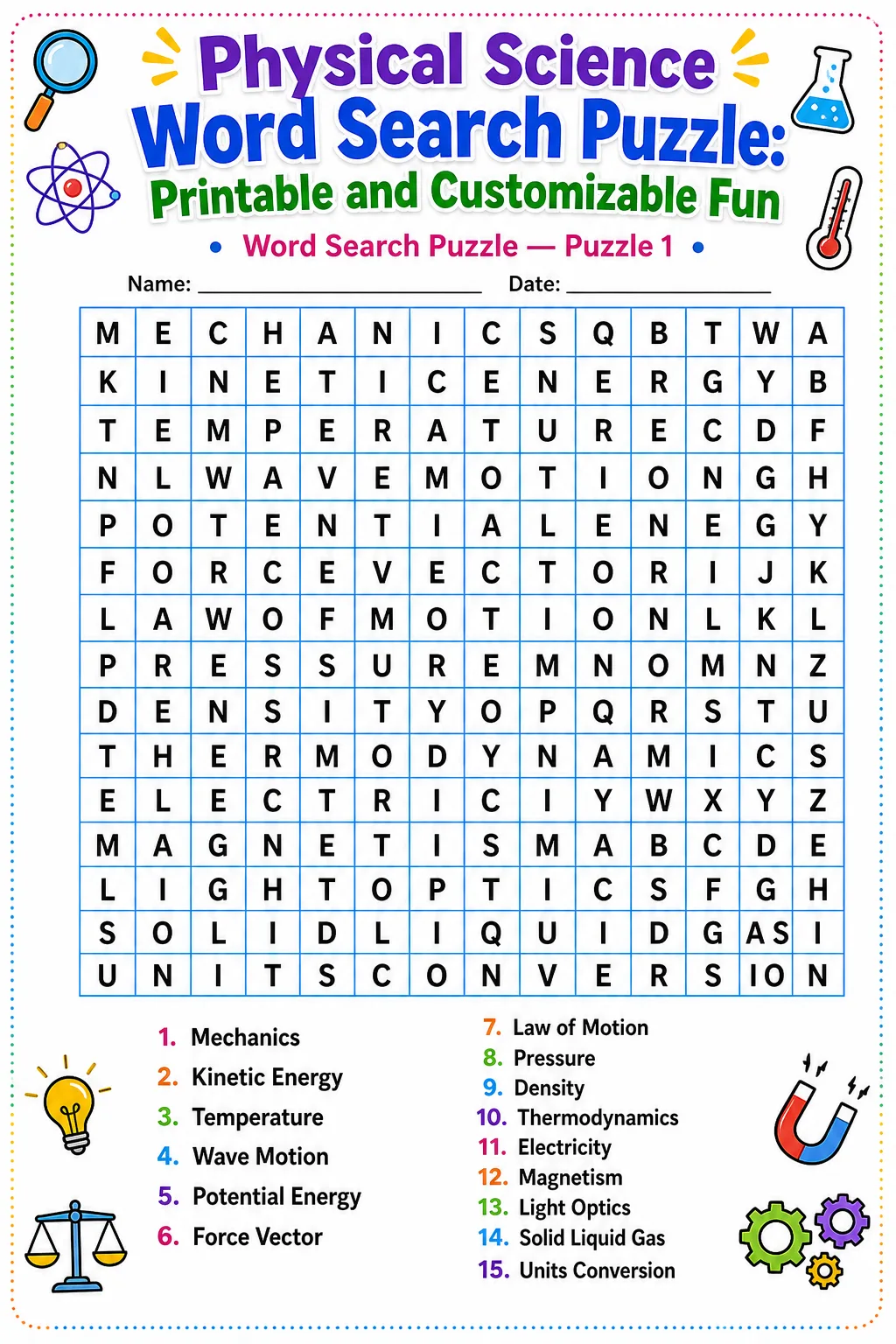
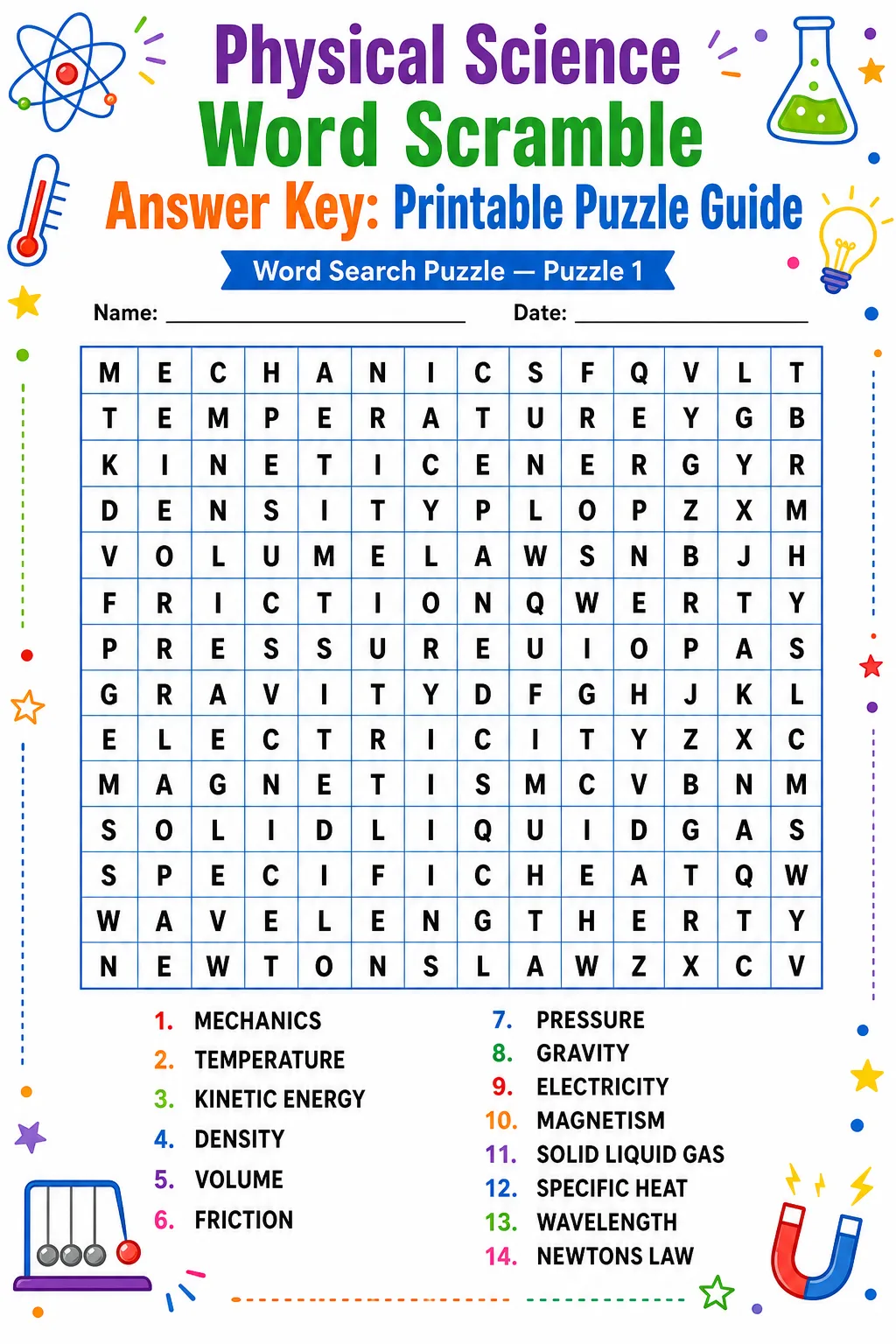
The physical science word search is a great way to engage learners and puzzle fans with terms from physics, chemistry, and earth science. This article guides you through creating and understanding custom printable word search puzzles that boost vocabulary and critical thinking. Ideal for classrooms or home activities, it includes detailed steps, tips, and common pitfalls to avoid.
Introduction
Introduction to Physical Science Word Search
The physical science word search is an engaging tool that combines learning with fun. Whether you are a teacher, parent, or puzzle enthusiast, this printable word search puzzle helps reinforce important scientific terms from physics, chemistry, and earth science. It challenges players to find words hidden in a grid, improving recognition and vocabulary in an interactive way.
In this article, we will explore how to create custom physical science word search puzzles, understand their educational benefits, and provide practical advice for making them effective. From choosing the right words to adjusting difficulty levels, you will gain a solid foundation for using word searches as a learning aid or entertaining activity.
Story
One rainy afternoon in my classroom, I noticed my students struggling to stay engaged during a physical science lesson. To make learning more interactive, I created a physical science word search puzzle featuring terms we had just covered. The kids loved searching for words like "energy," "force," and "matter," and it sparked lively discussions about their meanings.
Seeing their excitement, I realized how effective and fun word searches could be for reinforcing science vocabulary. Since then, I have used printable physical science word search puzzles regularly, both in class and as homework. They have become a favorite activity that combines learning with play, helping students build confidence and retain key concepts in an enjoyable way.
How To Do It
Why This Works
Why Word Search Puzzles Enhance Learning
Word search puzzles are a simple yet powerful educational tool that helps learners improve their vocabulary, spelling, and pattern recognition. By searching for specific terms, players reinforce their understanding of key concepts, especially in subjects like physical science where terminology can be complex. This guide works well because it breaks down the creation process into clear, manageable steps that anyone can follow, whether for classroom use or personal enjoyment.
Additionally, the post highlights common mistakes and pro tips, which help puzzle creators avoid pitfalls and design more effective and engaging puzzles. The inclusion of printable options and customization advice makes it accessible and adaptable for different learning levels. Overall, this article supports both educators and puzzle lovers by providing practical, detailed guidance that fosters active learning through play.
FAQ
Pro Tips
Common Mistakes to Avoid
Final Thoughts
Creating and using physical science word search puzzles is a rewarding way to combine education and entertainment. These puzzles help learners grasp scientific vocabulary while having fun searching for hidden words. By following the instructions and tips in this guide, you can design puzzles that suit various skill levels and learning goals.
Whether for classroom activities, homeschooling, or casual puzzling, printable word searches offer a versatile tool to enhance understanding of physical science concepts. We encourage you to try making your own custom puzzles and share them with others to inspire curiosity and learning through play.
Keep word lists focused on a single physical science topic for clearer learning outcomes.
Use high-contrast colors when printing to make the puzzle easier to read.
Include a mix of common and slightly challenging words to maintain interest.
Encourage solvers to say words aloud as they find them to reinforce pronunciation and memory.
Gallery
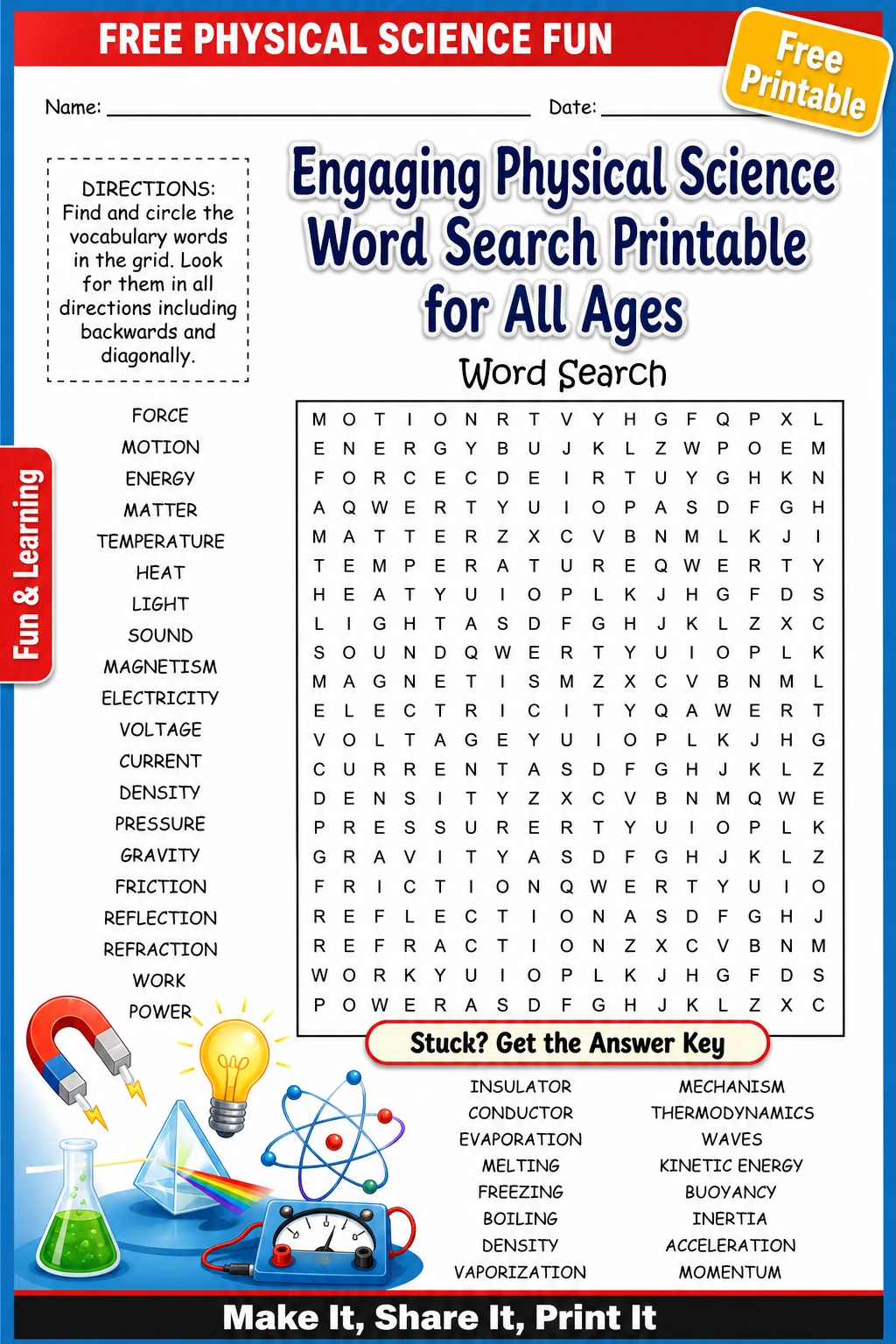
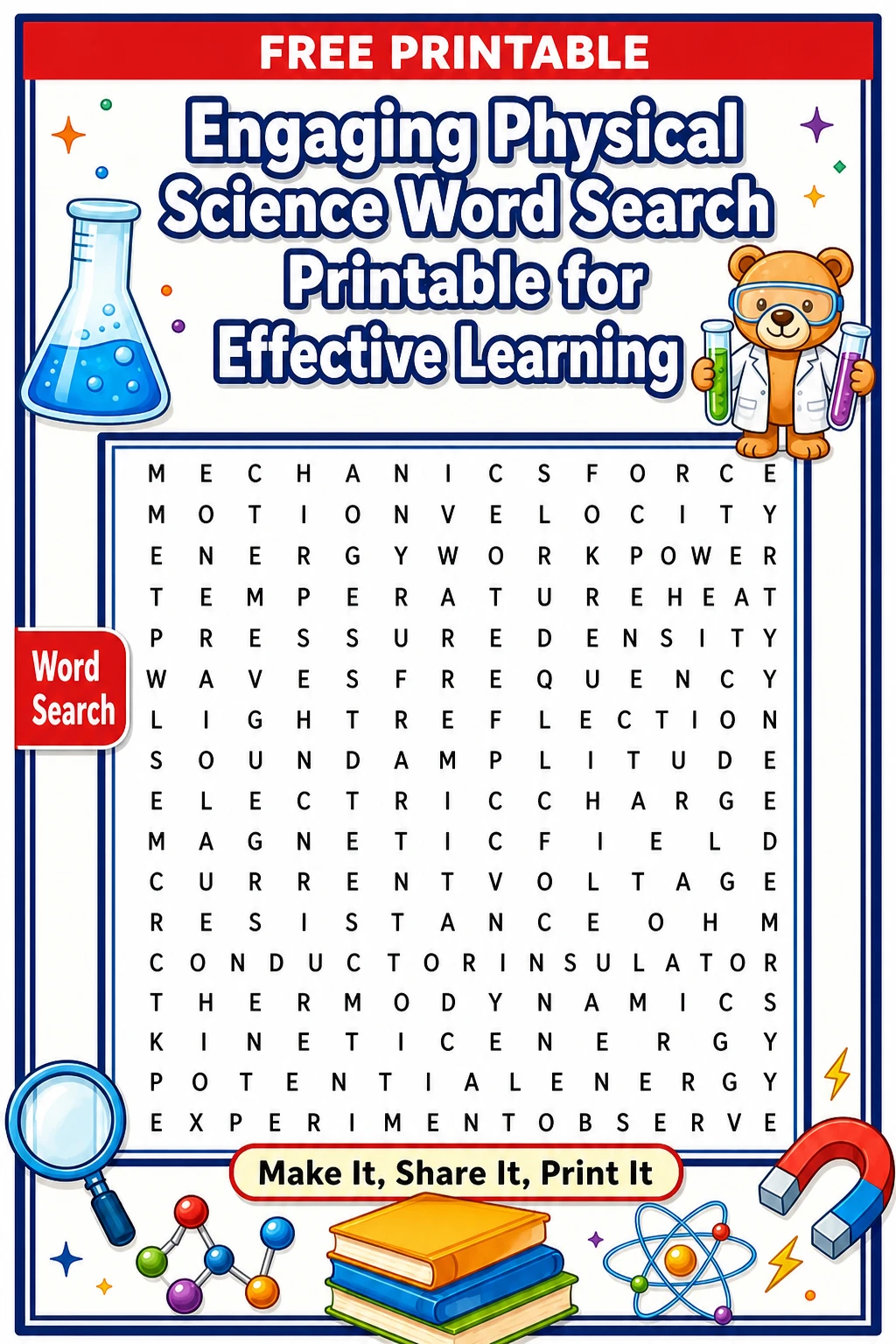
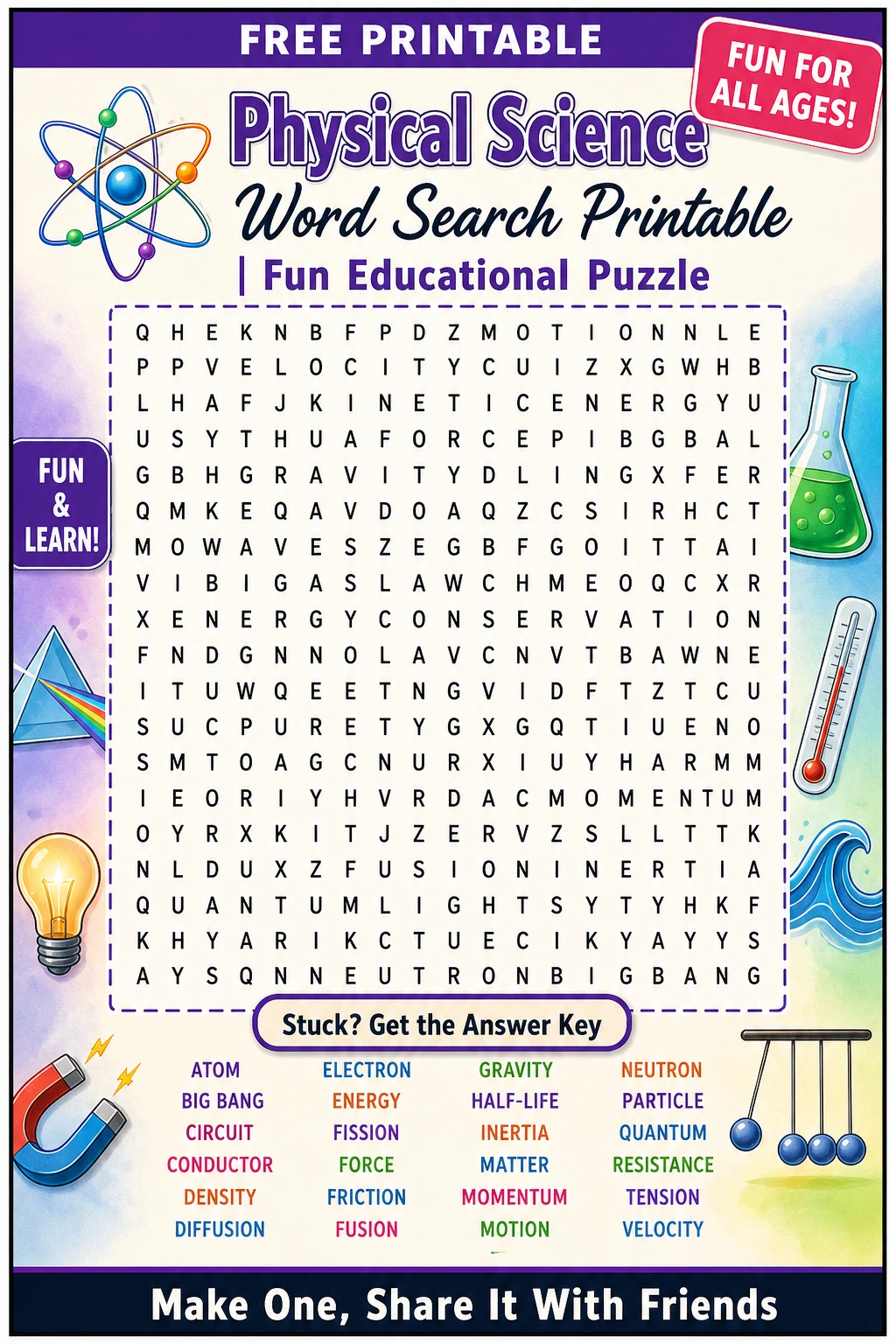
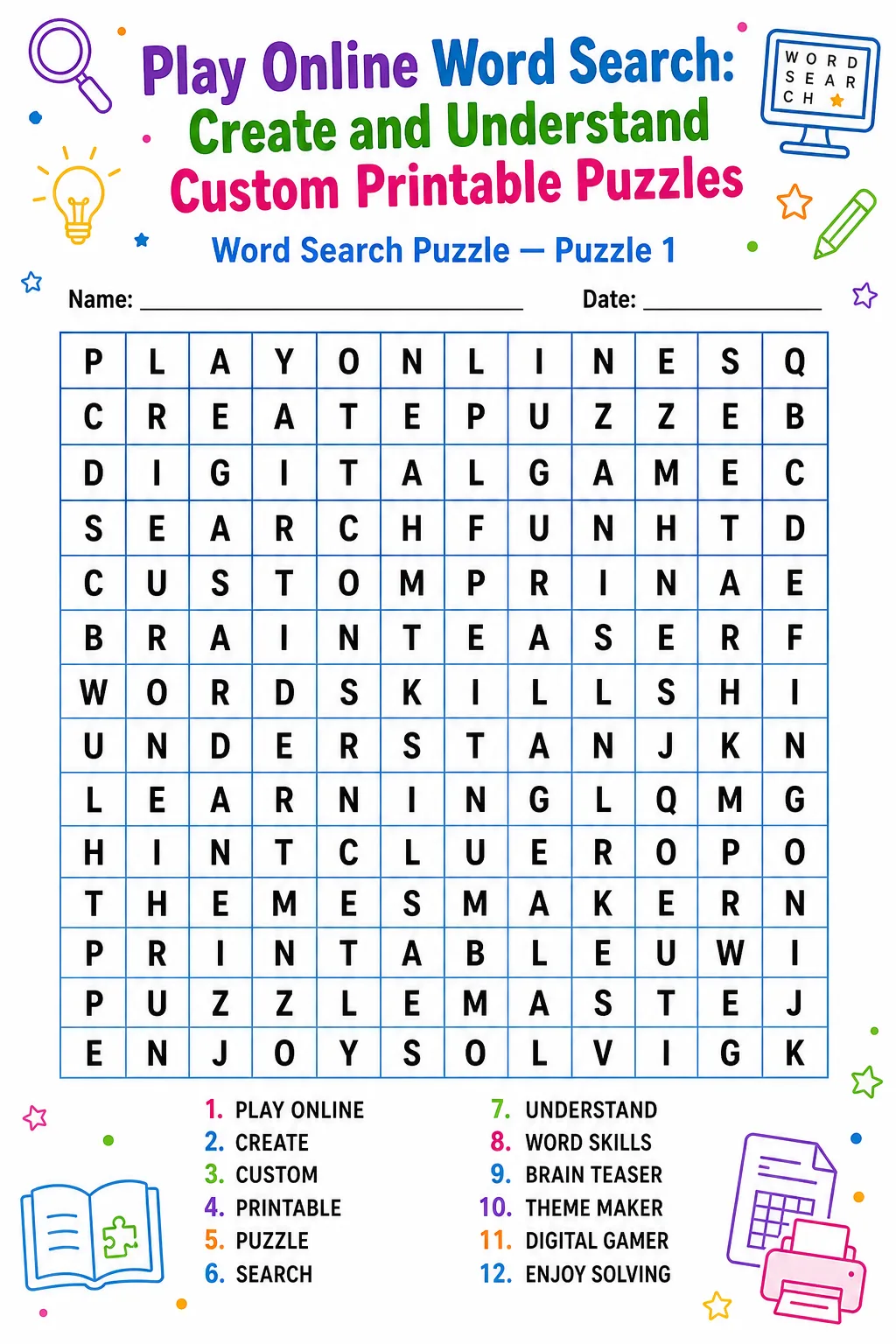
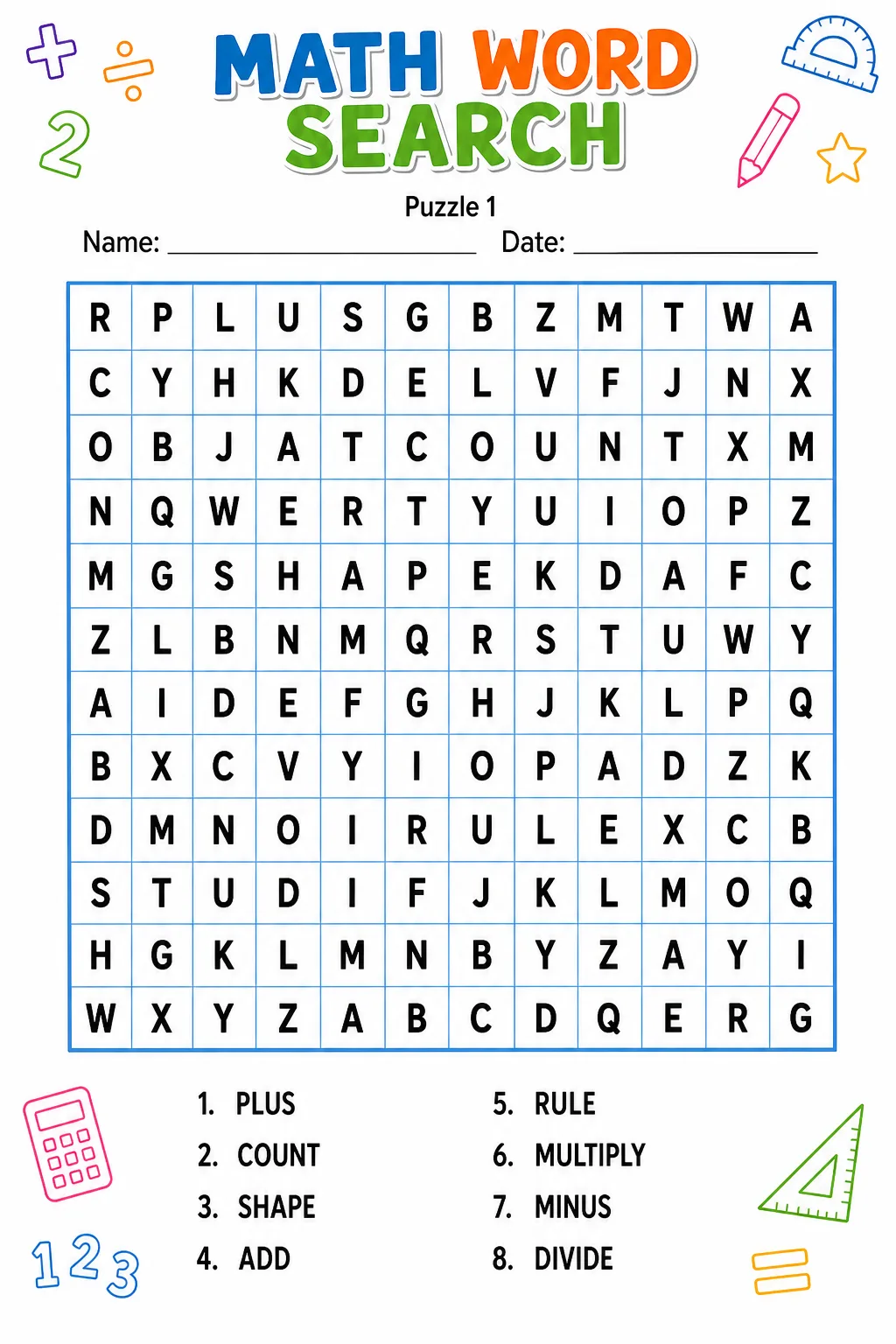
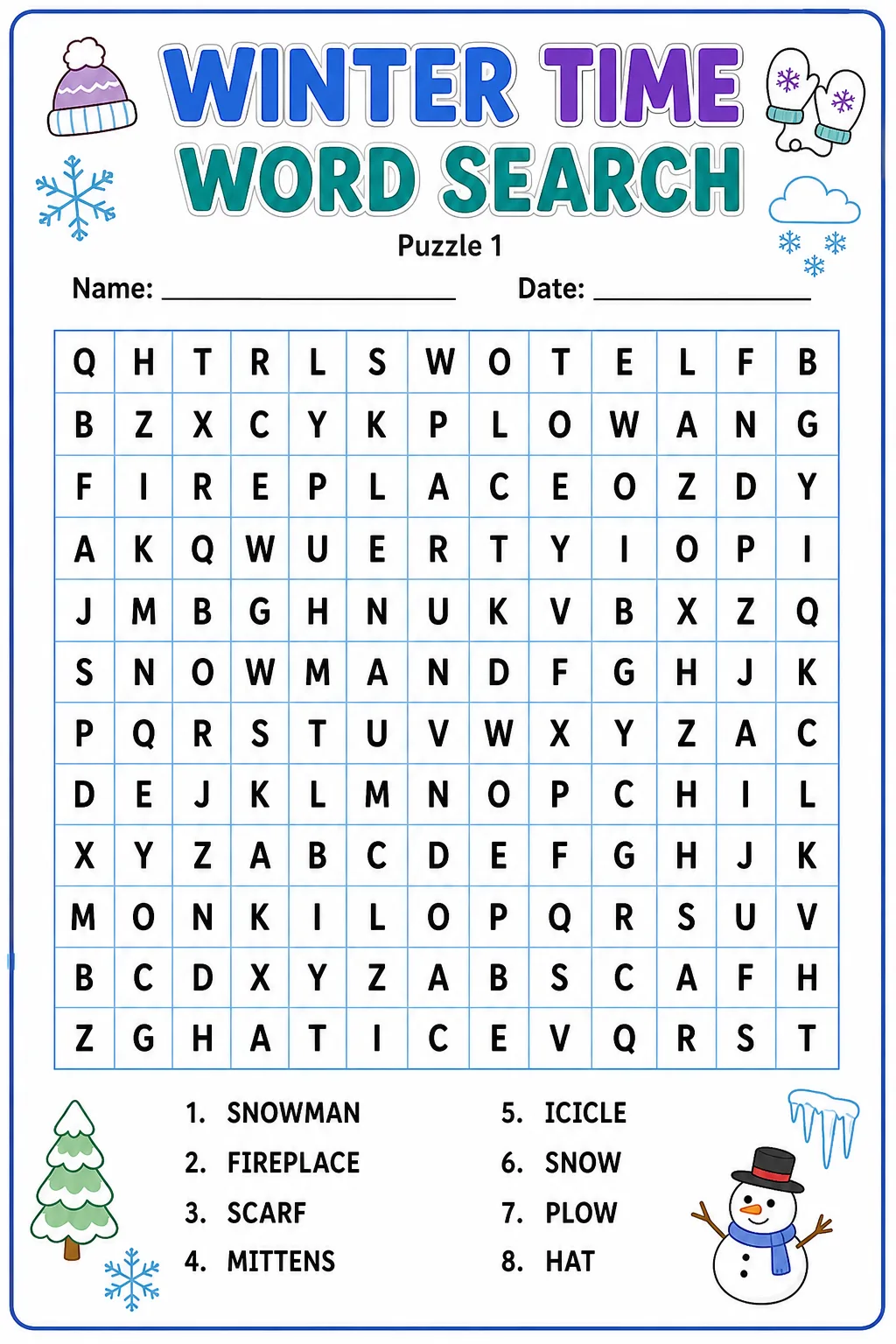
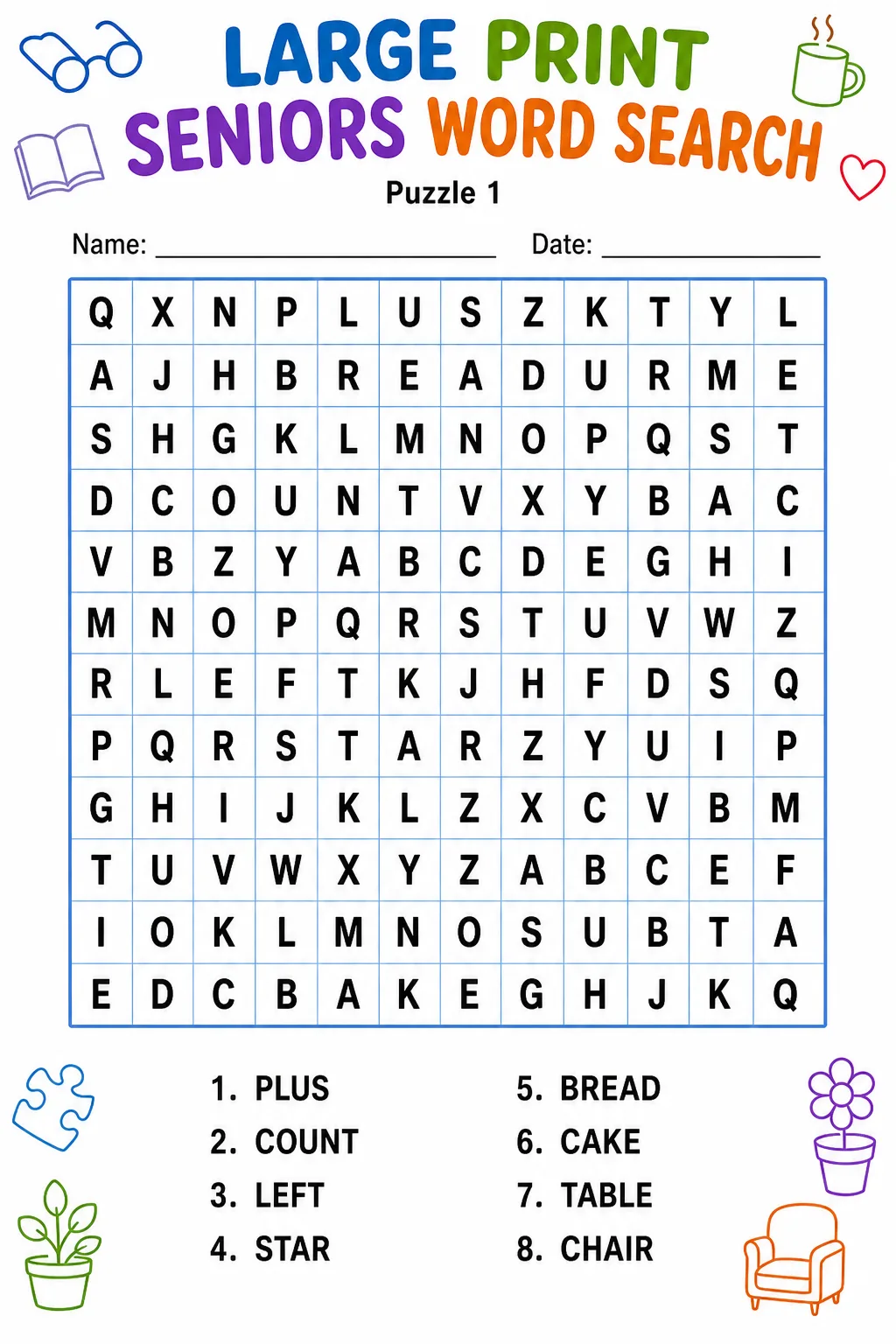
Create puzzle
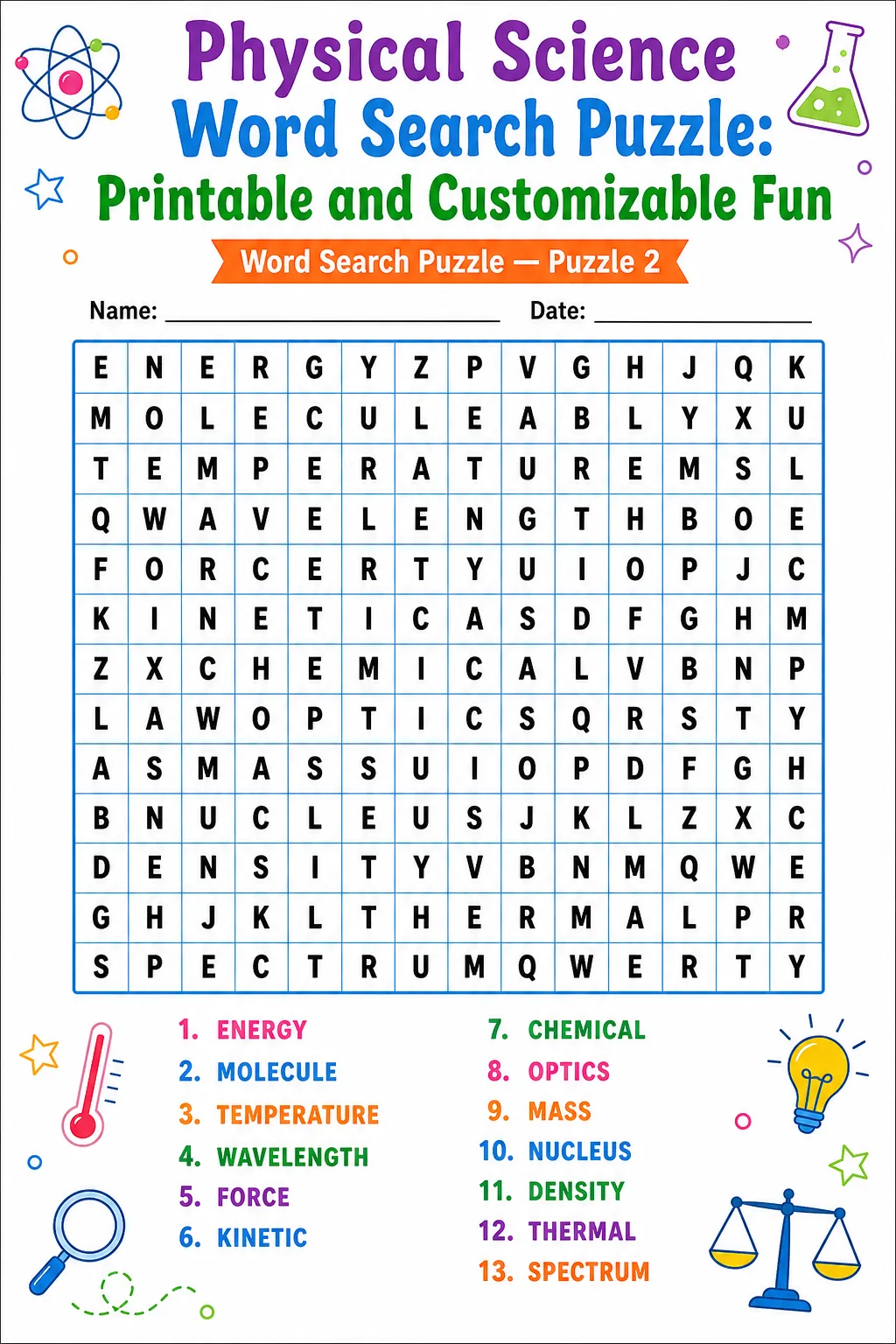
Creating your own physical science word search puzzle starts with choosing a clear theme, such as "energy forms" or "states of matter." Next, compile a list of related words that match the theme and suit your audience’s age and knowledge level. For younger children, shorter and simpler words work best, while older students can handle longer, more technical terms.
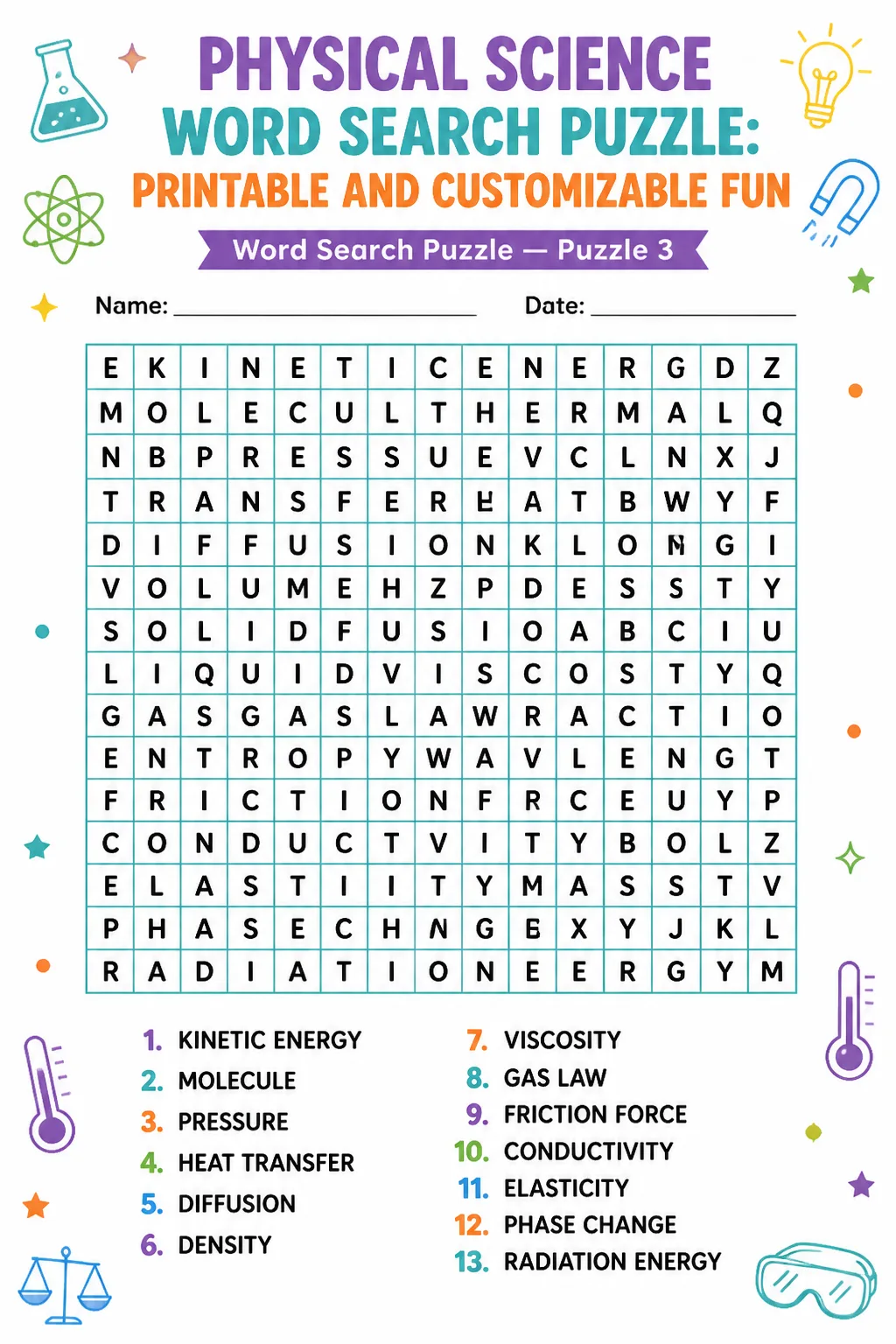
Decide on a grid size that fits your word list comfortably. Smaller grids with fewer words are ideal for beginners, while larger grids with more words and directions (horizontal, vertical, diagonal, backward) increase difficulty. Keep in mind that very long words or those with spaces and symbols are harder to place and may be skipped.
Once you have your word list and grid size, place the words carefully to avoid overlaps that confuse solvers. Fill empty spaces with random letters to complete the puzzle. Finally, provide a clear word list and consider including a solution key. This approach ensures your physical science word search puzzle is both educational and enjoyable for all players.
Leave a Reply