

Discover the joy of crafting and solving custom word search puzzles tailored specifically for children. This guide explores the essentials of printable word searches, focusing on kid-friendly themes, appropriate difficulty levels, and practical tips to enhance engagement. Learn how to create puzzles that are both educational and entertaining, perfect for classrooms, home activities, or party favors.
Introduction
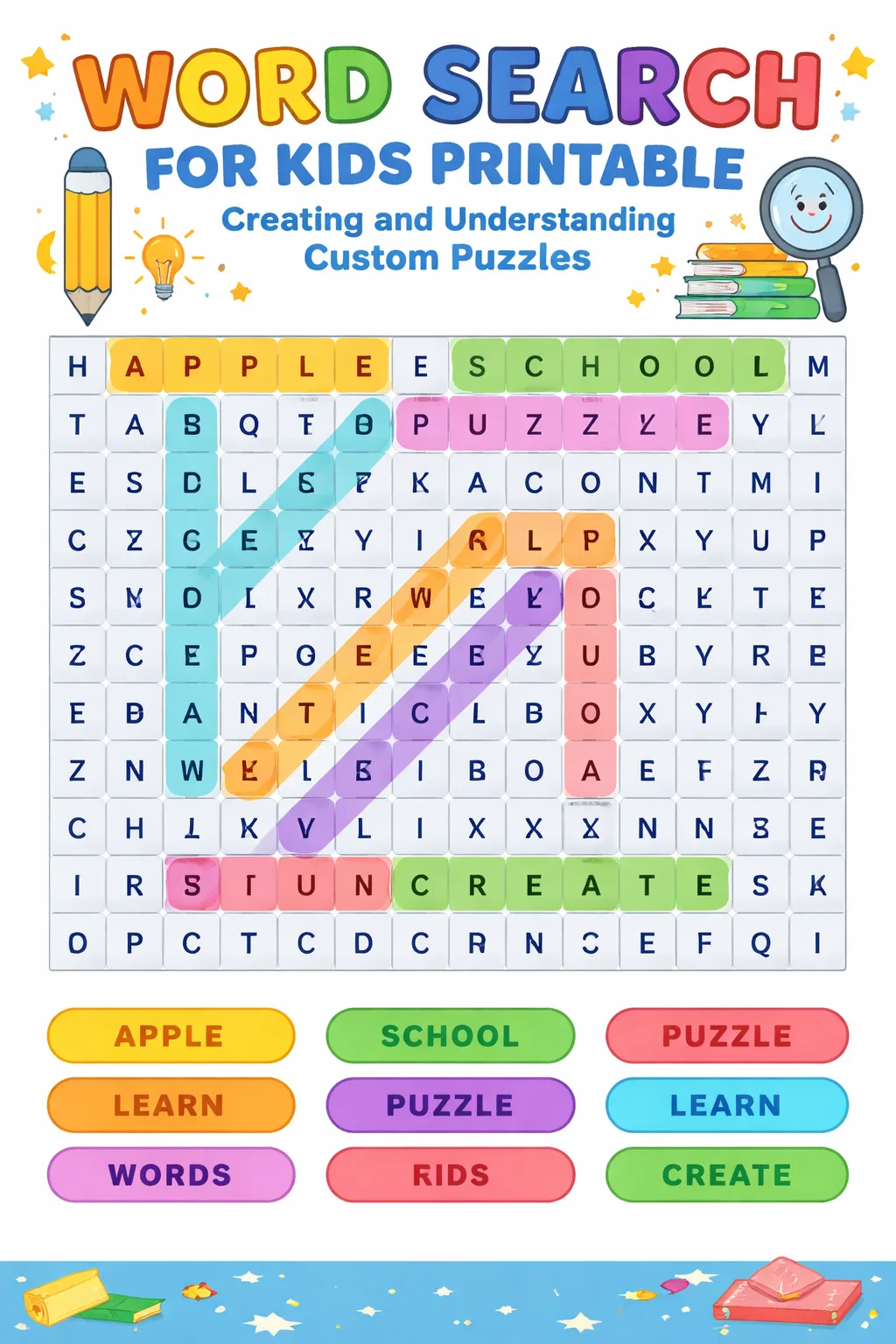
Word search puzzles have long been a favorite pastime for children, combining fun with valuable learning opportunities. Creating custom printable word searches for kids allows educators and parents to tailor content to specific themes, vocabulary levels, and interests. This personalized approach not only boosts children's word recognition and spelling skills but also encourages concentration and problem-solving. In this article, we delve into the process of designing effective word search puzzles for kids, from selecting suitable grid sizes to choosing words that match their age and comprehension. Whether you aim to reinforce classroom lessons or provide an engaging activity at home, understanding the components of a successful word search puzzle is essential. By following the detailed instructions and tips provided here, you can create captivating puzzles that children will enjoy repeatedly.
How To Do It
Choose an appropriate grid size and word list: Begin by selecting a grid size that matches the age and skill level of the children. Smaller grids with fewer words are ideal for younger kids, while larger grids can challenge older children. Compile a list of words that are relevant, easy to spell, and engaging, ensuring they fit well within the chosen grid without overcrowding.
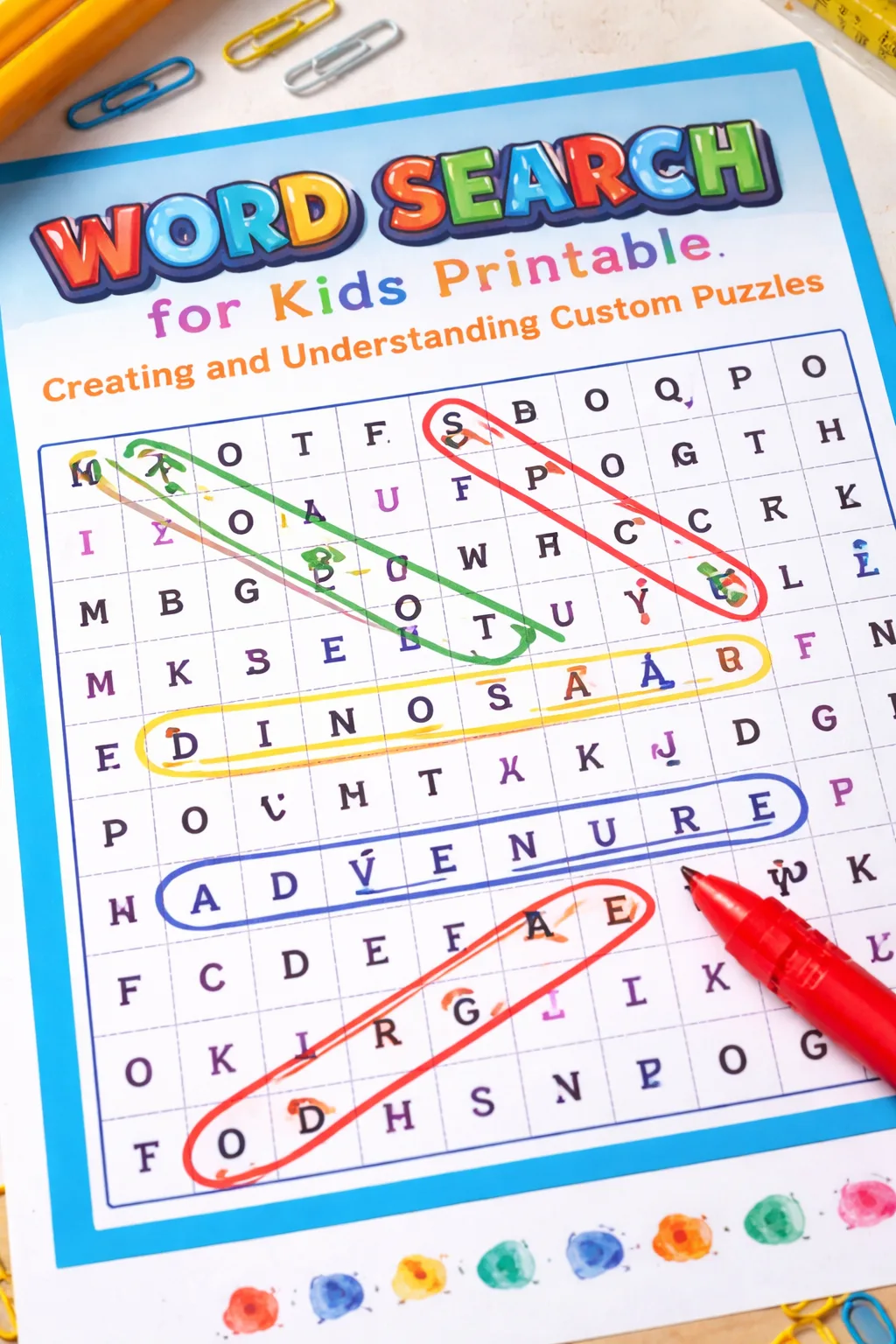
Arrange the words thoughtfully in the grid: Place the words horizontally, vertically, or diagonally, and consider allowing backward placement for added challenge. Make sure words do not overlap in confusing ways and that the puzzle remains solvable. Fill remaining empty spaces with random letters to complete the grid, maintaining a balanced distribution to avoid unintended hints.
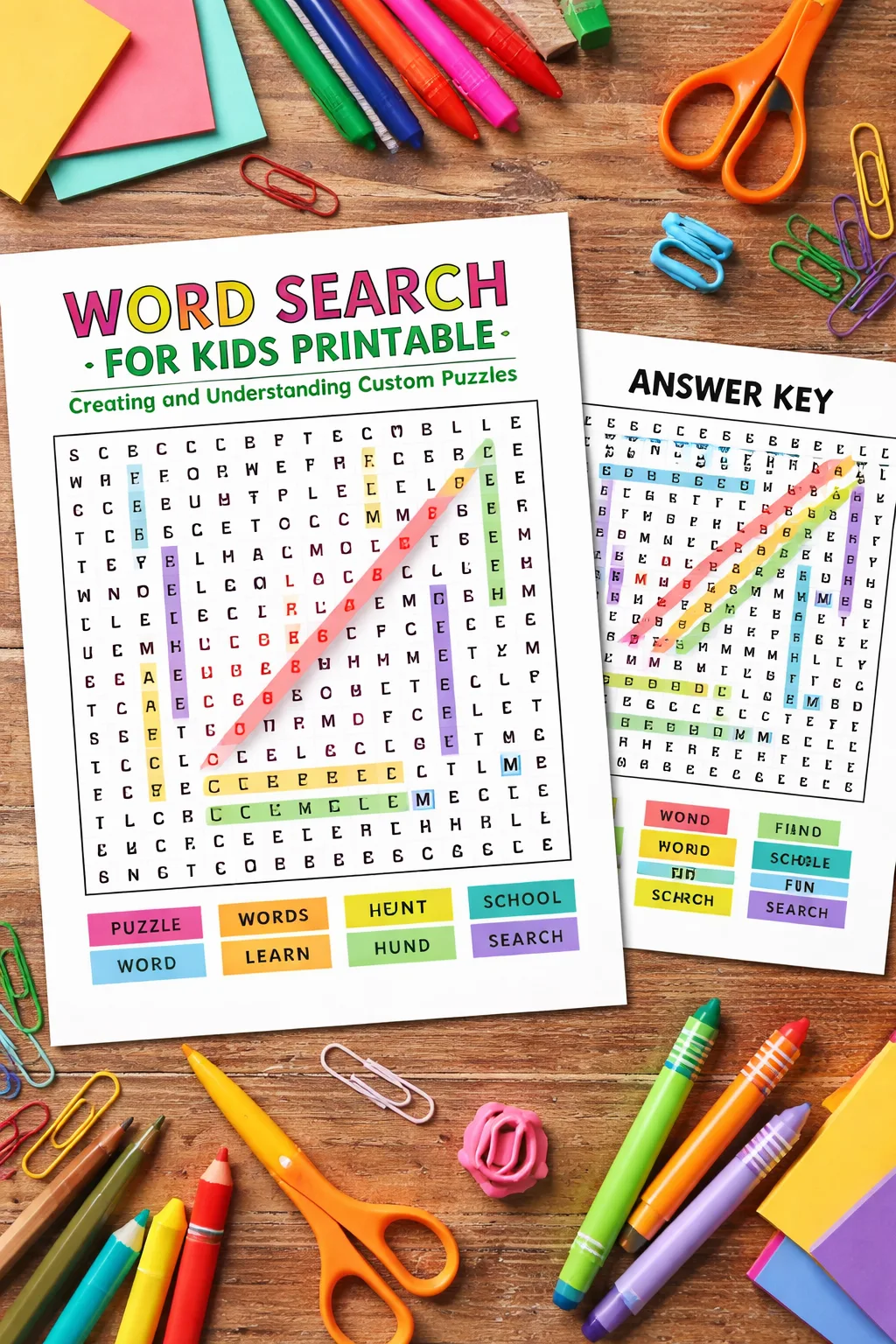
Create clear and printable puzzle sheets: Design the puzzle layout with legible fonts and sufficient spacing to accommodate young readers. Include a word list separate from the grid for easy reference. Provide instructions that are simple and encouraging, ensuring children understand how to find and mark the words. Finally, test print the puzzle to confirm clarity and usability before distribution.
Grid Size and Grade Guidance
What Changes Difficulty?
Input Limits and Skipped Words
When creating word search puzzles for kids, it is important to consider input constraints to ensure the puzzle remains solvable and enjoyable. Typically, the word list should be limited to a number that fits comfortably within the chosen grid size. Overloading the grid with too many words can cause overlapping or force words to be placed in confusing orientations, which may frustrate young solvers.
Words that are excessively long or contain unusual letter combinations may not fit within the grid or may disrupt the puzzle’s balance. In such cases, these words should be skipped or replaced with more suitable alternatives. Additionally, avoid using words with special characters or spaces, as these can complicate the grid layout and reduce clarity.
Careful planning of the word list before puzzle creation helps minimize skipped words. If a word must be skipped, it is best to maintain a consistent theme or difficulty level by selecting a similar replacement. This approach preserves the educational value and engagement of the puzzle while adhering to input limitations.
FAQ
For younger children, especially those in early elementary grades, smaller grids such as 8×8 or 10×10 are ideal. These sizes contain fewer words, making the puzzle manageable and less intimidating. Larger grids can be introduced gradually as children develop stronger word recognition and problem-solving skills.
The number of words depends on the grid size and the age group. Typically, 8 to 12 words work well for smaller grids suitable for younger children, while older kids can handle 15 to 20 words in larger grids. Balancing word count with grid space ensures the puzzle remains clear and enjoyable.
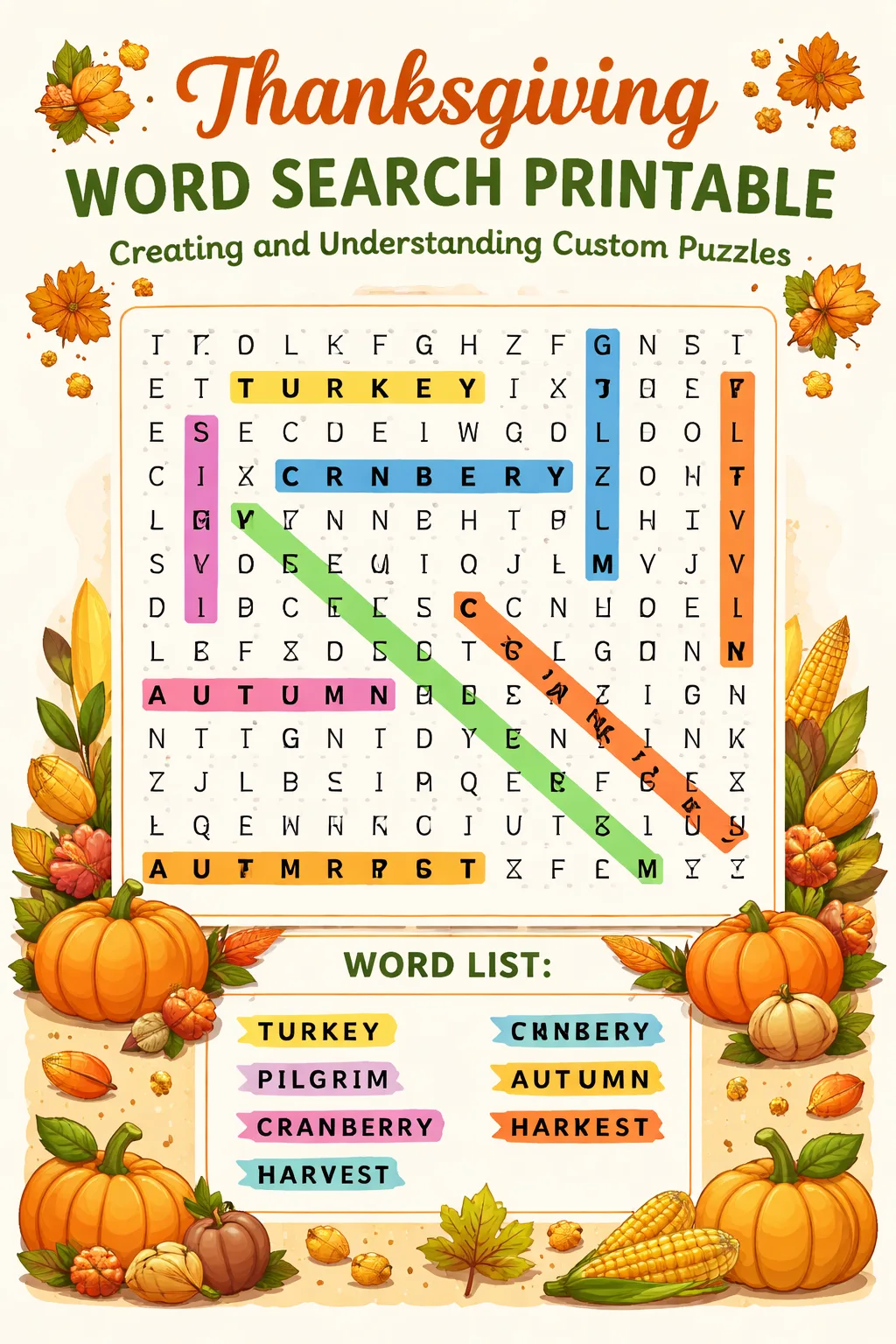
Absolutely. Themed word searches capture children's interest by connecting puzzles to topics they enjoy or are learning about. For example, animal names, seasons, or holiday-related words can make the activity more meaningful and motivate kids to participate enthusiastically.
If a chosen word is too long or complex to fit within the grid constraints, it’s best to replace it with a shorter or simpler word. This maintains the puzzle’s solvability and prevents frustration. Planning the word list before grid creation helps avoid this issue.
Fill empty grid spaces with random letters to disguise the hidden words effectively. Avoid creating unintended words or patterns that might confuse solvers. A balanced distribution of letters keeps the puzzle visually uniform and challenging without giving away answers.
Including backward and diagonal words adds an appropriate level of challenge for older children or those with more experience. For younger kids, it’s advisable to limit word orientation to horizontal and vertical to avoid overwhelming them. Adjusting this factor helps tailor difficulty to the target age group.
Final Thoughts
Creating custom printable word search puzzles for kids is a rewarding way to combine learning and fun. By carefully selecting grid sizes, word lists, and difficulty levels, you can design puzzles that captivate children’s attention while supporting their literacy development. This guide has provided detailed instructions, practical tips, and insights into common pitfalls to help you craft effective puzzles. Whether for educational purposes or recreational use, printable word searches are versatile tools that encourage focus, vocabulary growth, and problem-solving. Embrace the process and enjoy the smiles as children discover the hidden words you’ve thoughtfully placed within your puzzles.
Always preview and print a test copy to check clarity and layout before finalizing your puzzle.
Use consistent and easy-to-read fonts to ensure children can easily identify letters.
Incorporate a variety of word directions to maintain interest but adjust based on age appropriateness.
Provide a clear and concise word list alongside the puzzle to guide young solvers.
You Might Also Like



Leave a Reply