
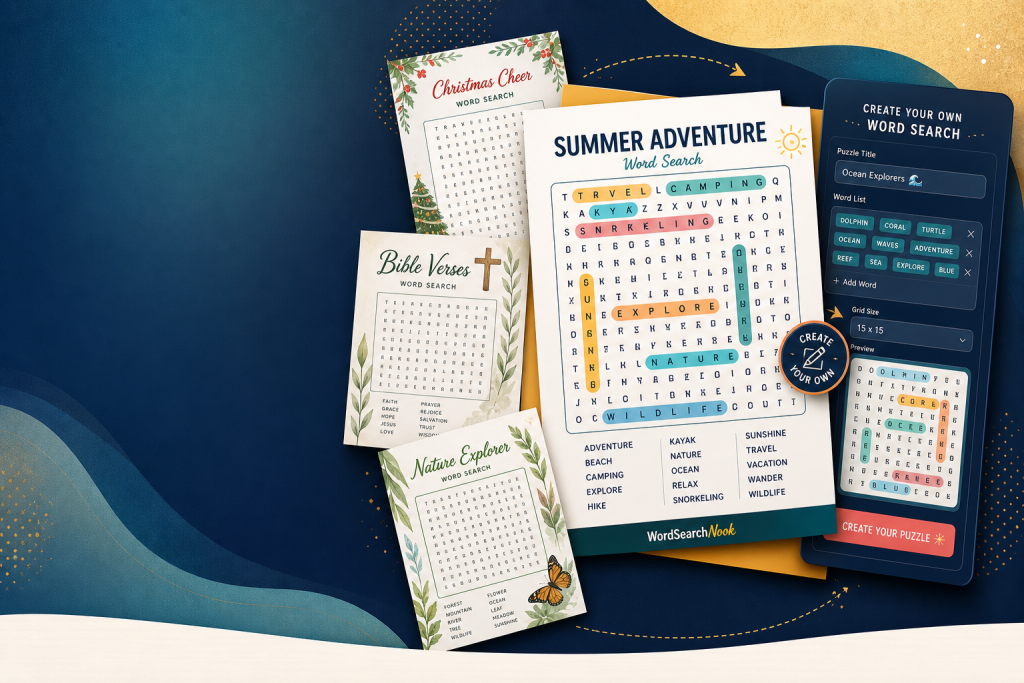
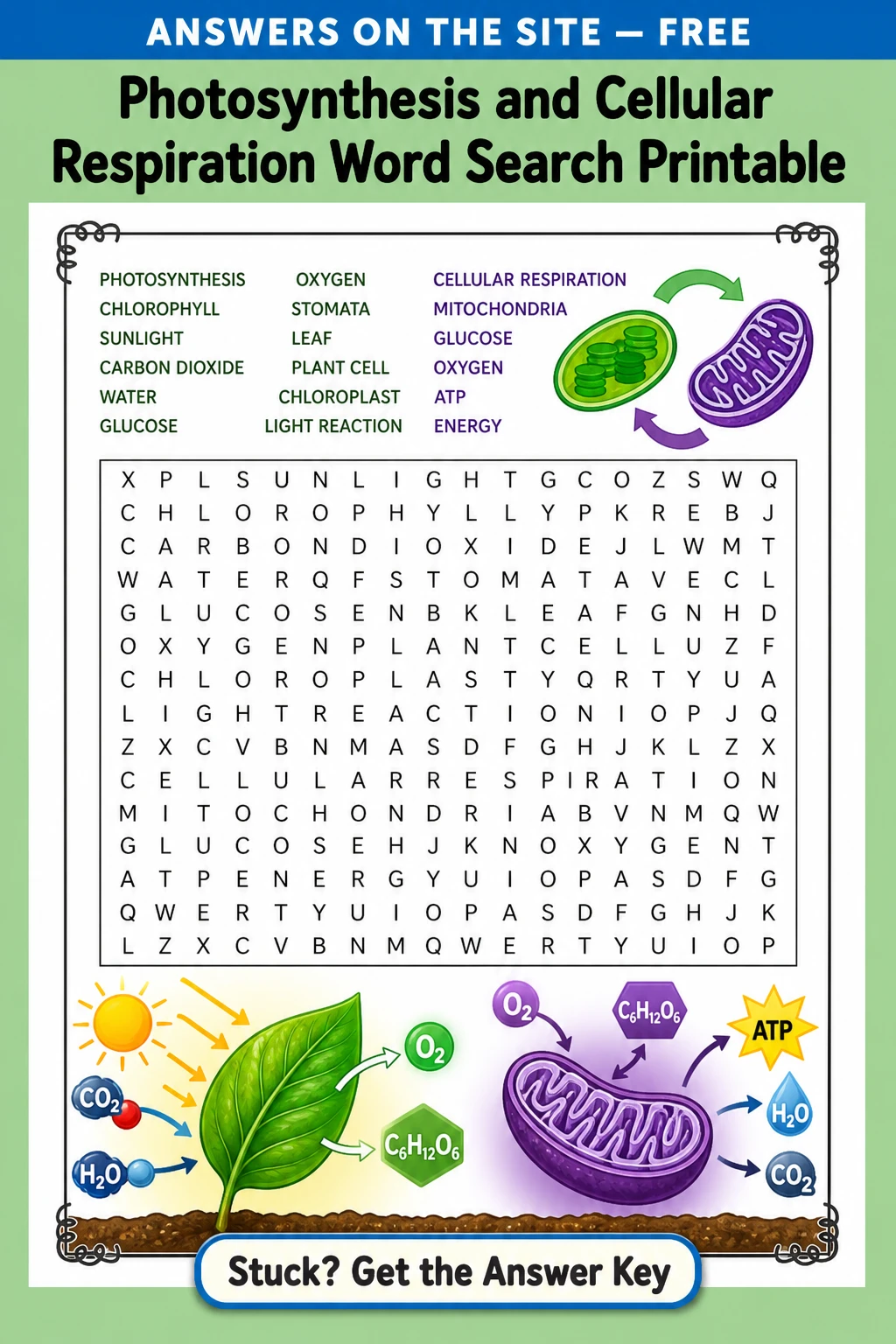
This photosynthesis and cellular respiration word search is a fun and educational way to explore key biology terms. Perfect for students and puzzle lovers alike, it reinforces important concepts while providing an engaging challenge. Discover how to create your own custom printable word search puzzles with this detailed guide.
Introduction
Photosynthesis and cellular respiration word search puzzles are excellent tools for learning and reinforcing scientific vocabulary. These puzzles combine fun and education, making complex biology terms easier to remember. Whether you are a teacher looking for classroom activities or a student wanting to review key concepts, this type of word search provides an interactive approach to learning.
In this article, we will explore how to create and understand custom printable word search puzzles focused on photosynthesis and cellular respiration. You will learn step-by-step instructions, tips for making effective puzzles, and common mistakes to avoid. This guide will help you design puzzles that are both challenging and enjoyable, suitable for various age groups and skill levels.
Story
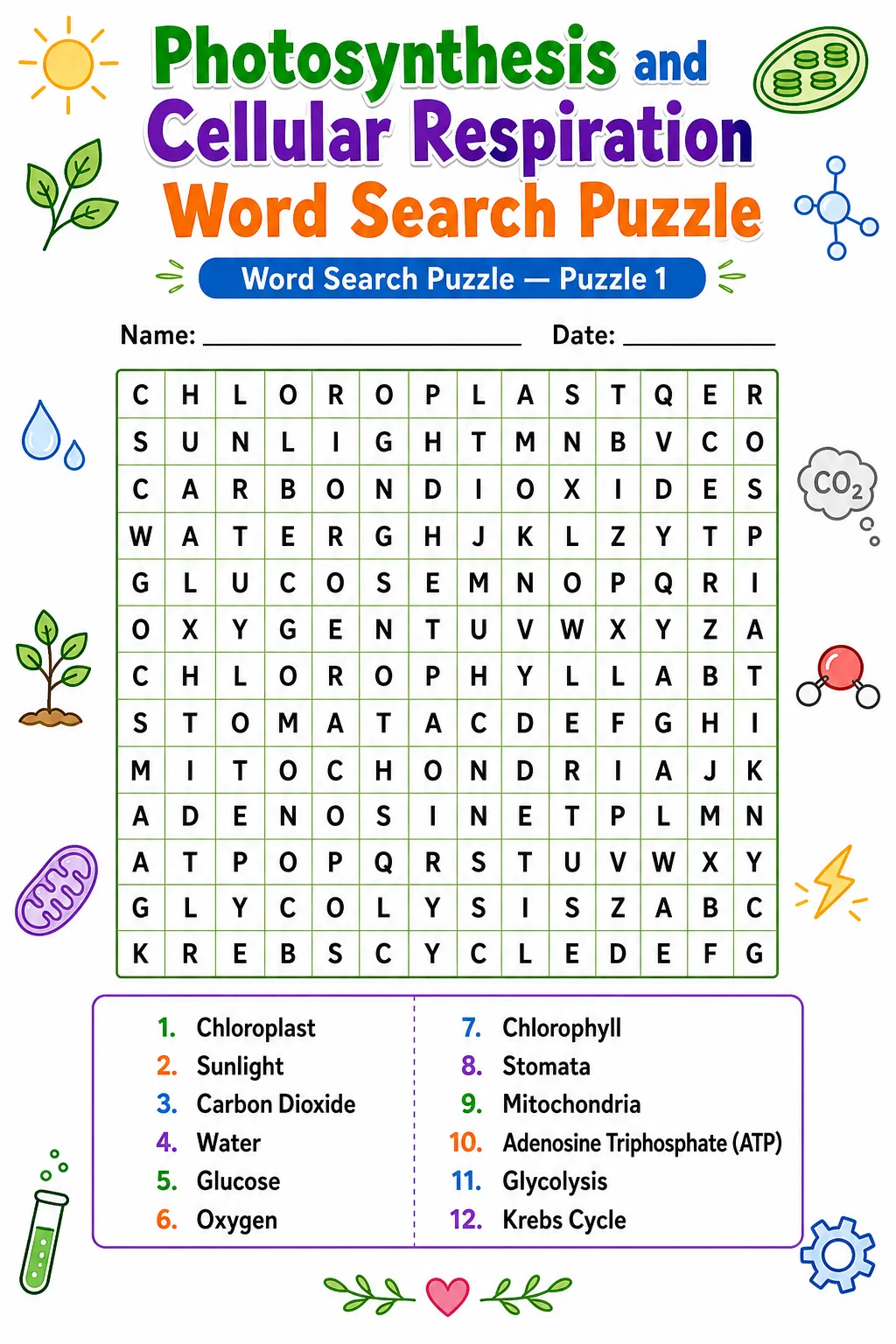
One rainy afternoon, I found myself looking for a fun way to help my students better understand photosynthesis and cellular respiration. I decided to create a word search puzzle that included all the key terms they needed to learn. As we worked through the puzzle together, the students became more engaged and excited about the topic. The challenge of finding words like 'chloroplast' and 'ATP' sparked lively discussions and helped reinforce their understanding.
Since then, using a photosynthesis and cellular respiration word search has become a favorite classroom activity. It’s a simple yet effective way to combine learning with play. This puzzle theme not only supports science education but also encourages teamwork and problem-solving skills. I hope this guide inspires you to create your own custom puzzles and enjoy the same rewarding experience.
How To Do It
Why This Works
Benefits of Word Search Puzzles for Learning
Word search puzzles, especially those themed around photosynthesis and cellular respiration, offer a unique blend of education and entertainment. They help learners familiarize themselves with scientific terms by encouraging repeated exposure in a fun format. This active engagement improves vocabulary retention and understanding of complex concepts.
Rationale Behind This Guide
This guide is designed to empower educators, parents, and students to create their own custom word searches. By explaining the process clearly and providing practical tips, it removes barriers to puzzle creation. The focus on photosynthesis and cellular respiration ensures the content is relevant for biology studies, making learning more interactive and less monotonous.
Furthermore, the guide addresses common pitfalls and offers solutions, enhancing the quality of puzzles produced. It balances challenge and accessibility, making it suitable for various learning levels. Overall, this post supports educational goals by combining creativity with scientific learning.
FAQ
Pro Tips
Common Mistakes to Avoid
Final Thoughts
In summary, photosynthesis and cellular respiration word search puzzles are effective educational tools that combine fun with learning. By following the instructions and tips provided, you can create custom puzzles that suit various skill levels and learning goals. These puzzles encourage active engagement with scientific vocabulary, helping learners retain important concepts more easily.
Whether used in classrooms, at home, or for self-study, printable word searches offer a refreshing way to explore biology topics. We encourage you to try making your own puzzles and share them with others to enhance learning experiences. Enjoy the challenge and the satisfaction of discovering hidden words!
Keep the word list focused and relevant to maintain educational value.
Use clear fonts and print quality to ensure the puzzle is easy to read.
Provide hints or definitions alongside the word list for added learning support.
Adjust puzzle difficulty by varying grid size and word placement directions.
Gallery
Create puzzle
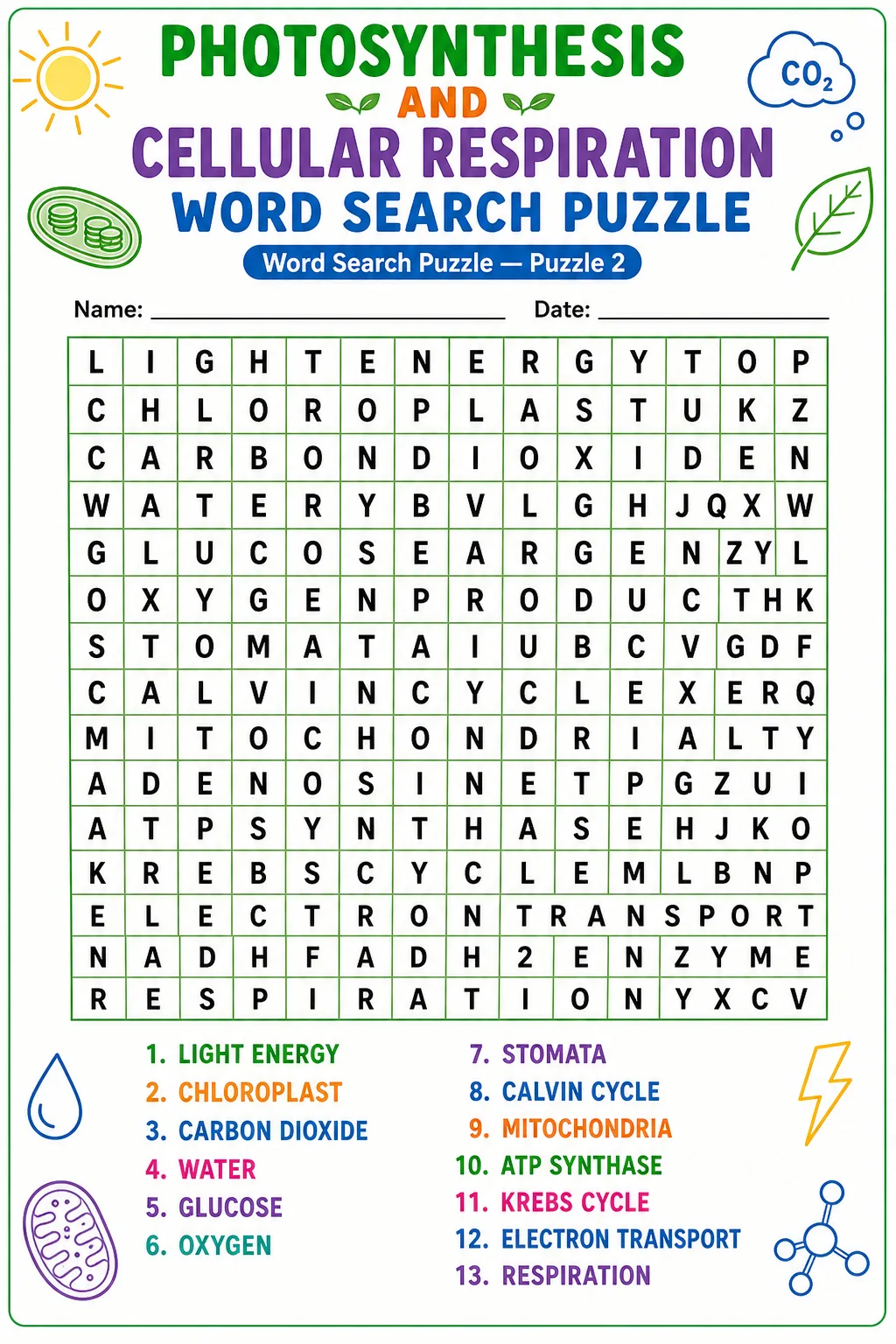
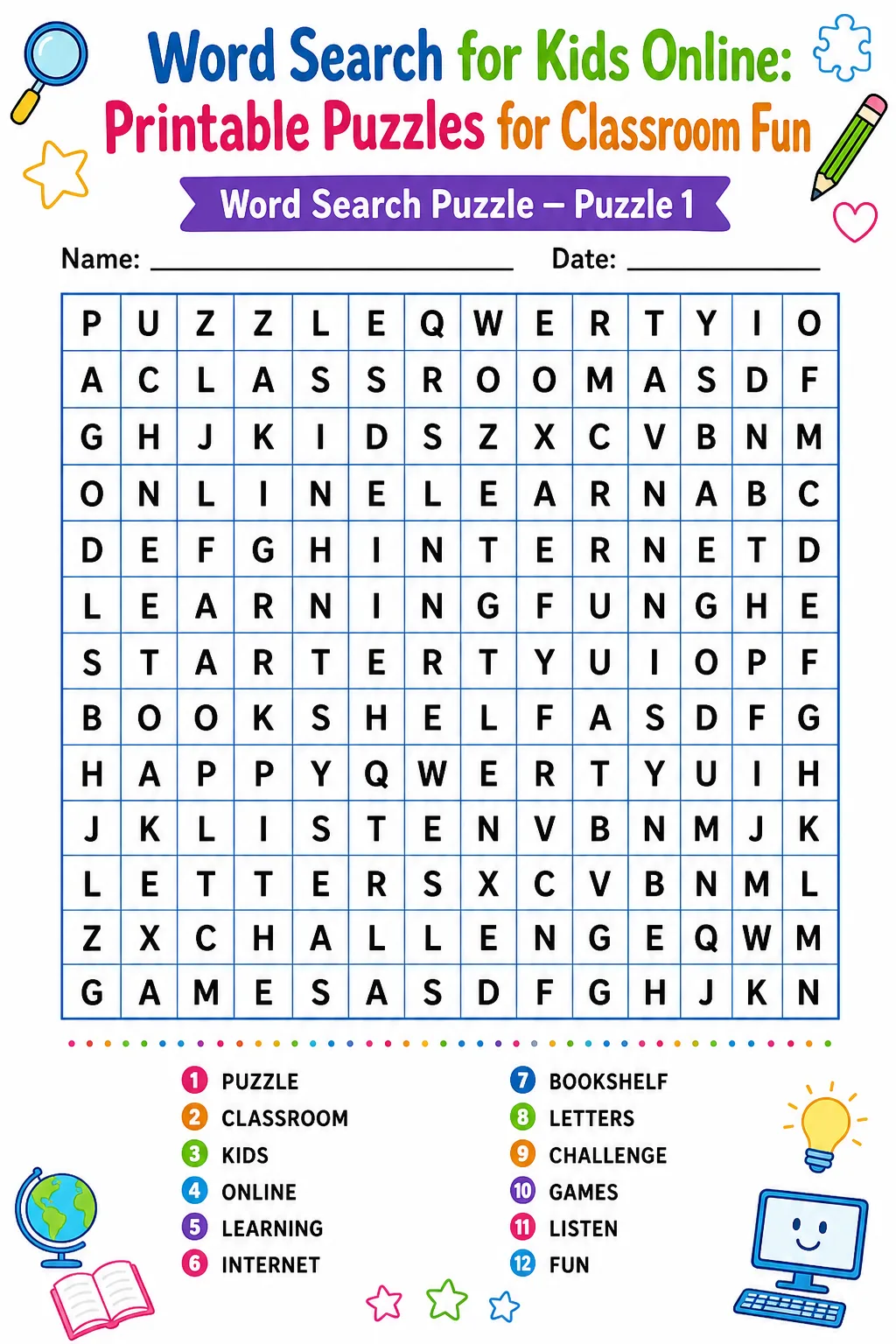
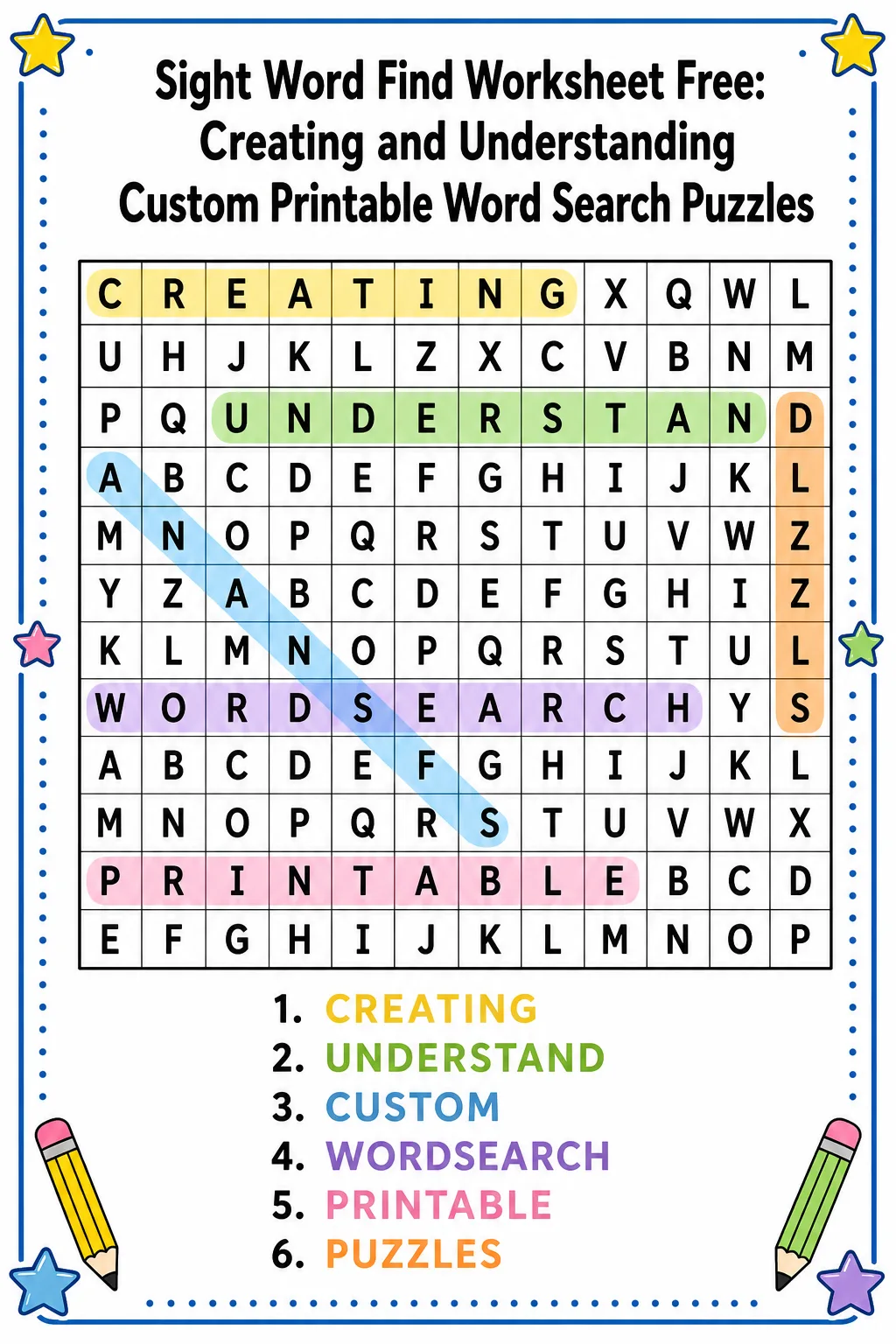
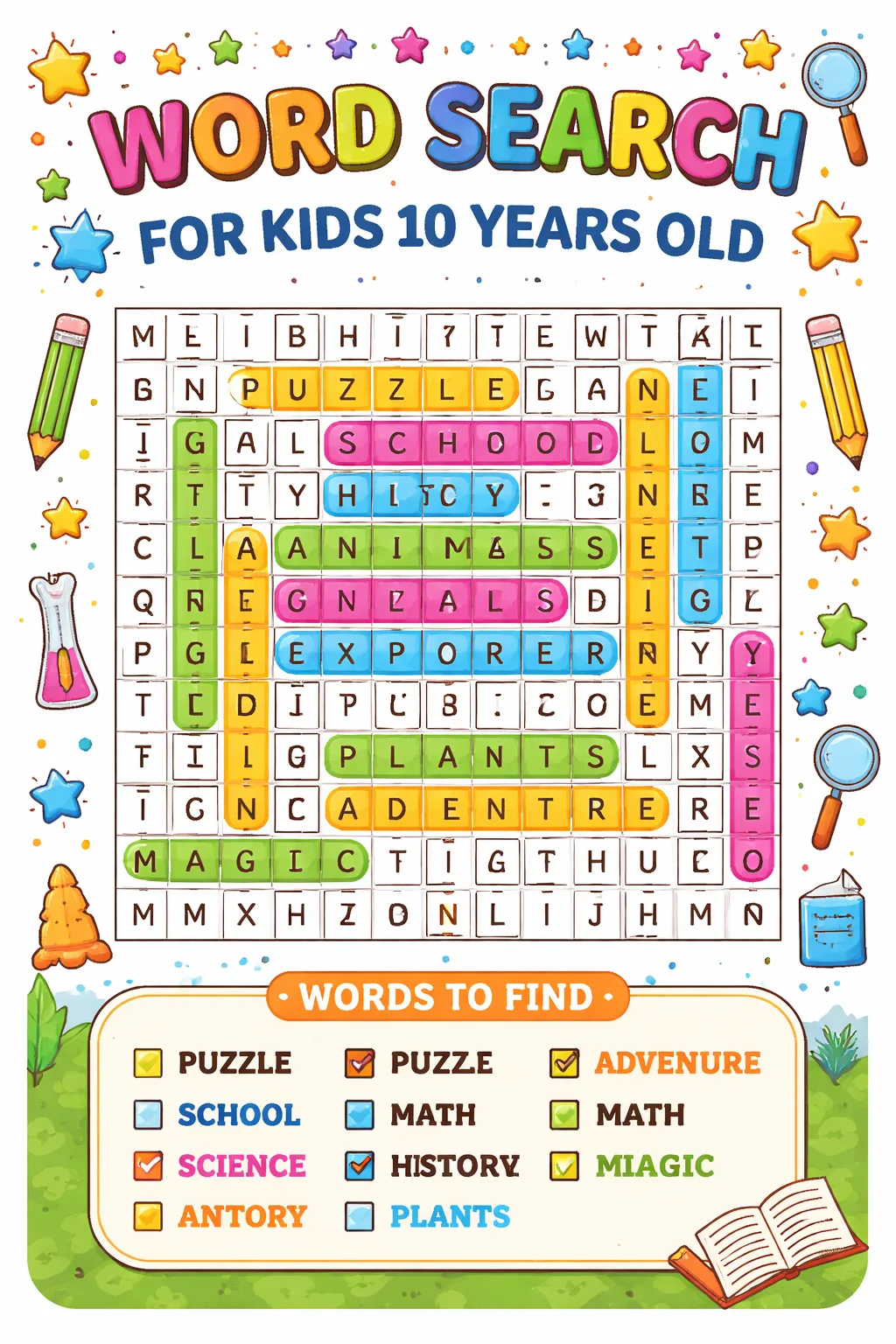
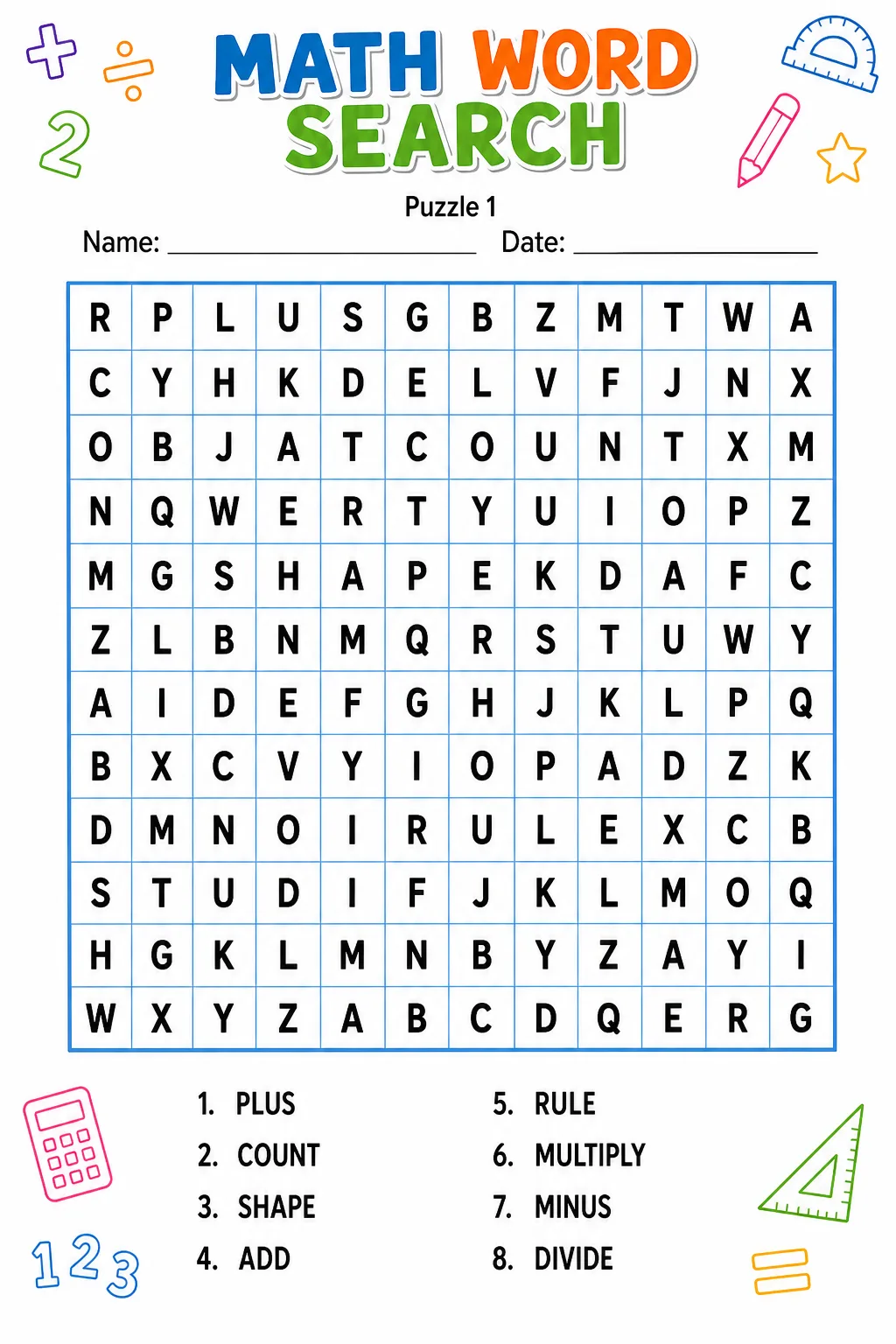
Creating a custom photosynthesis and cellular respiration word search puzzle starts with choosing a theme and compiling a list of relevant words. Focus on important terms like 'chlorophyll,' 'glucose,' 'mitochondria,' and 'ATP' to ensure the puzzle is educational. Next, select a grid size that matches your audience’s age and skill level. For younger players, a smaller grid with fewer words works best, while older students can handle larger grids with more complex word placements.
When placing words, consider directions such as horizontal, vertical, diagonal, and backward to vary difficulty. Keep in mind that very long words or those with spaces and symbols can be tricky to fit in the grid, so it’s often best to omit them or simplify terms. After filling the grid with your chosen words, complete the puzzle by adding random letters in empty spaces.
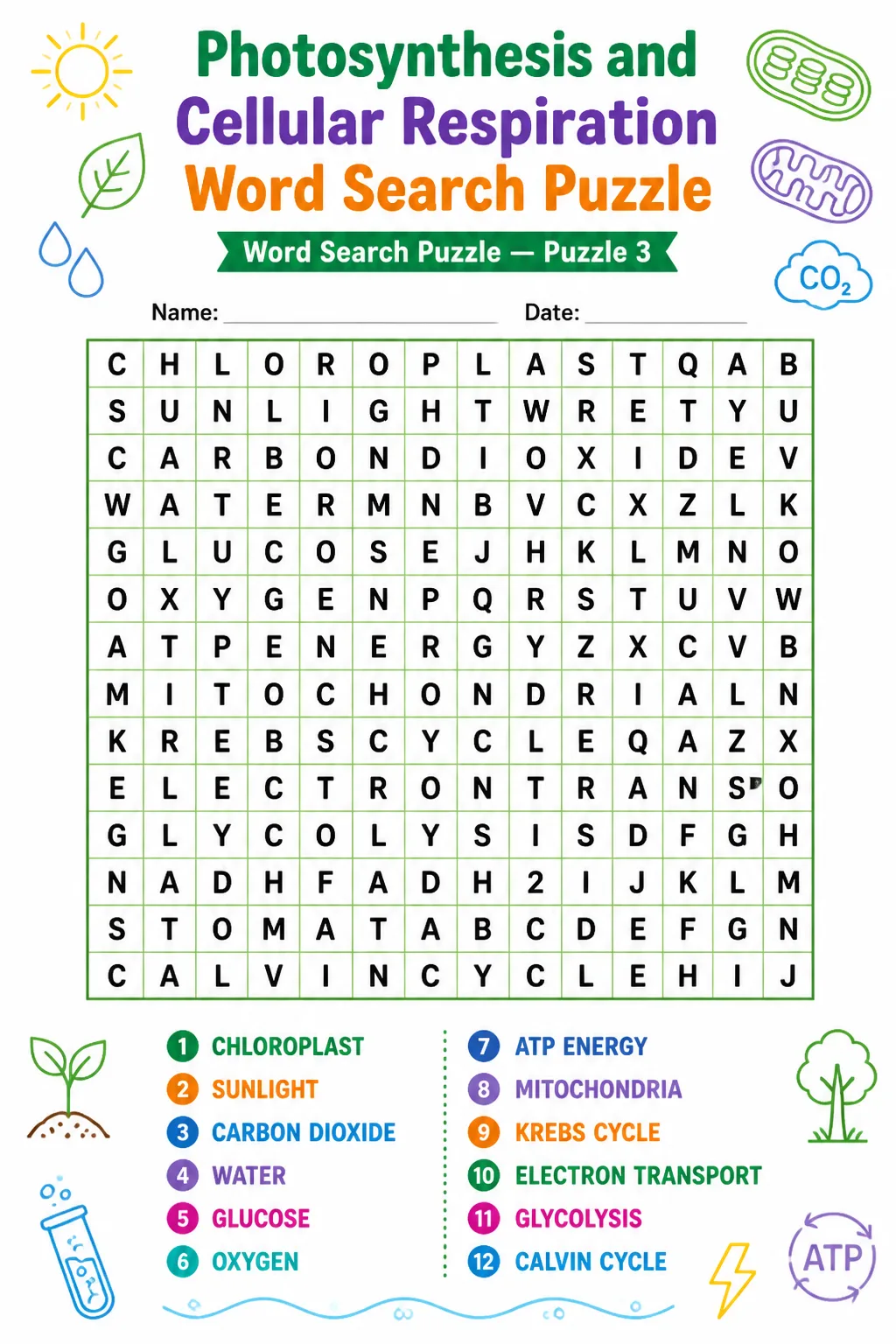
Finally, provide a clear word list for players to reference and test the puzzle yourself to ensure all words are findable. By following these steps, you can create a personalized and printable word search puzzle that effectively teaches photosynthesis and cellular respiration concepts while being fun to solve.
Leave a Reply