
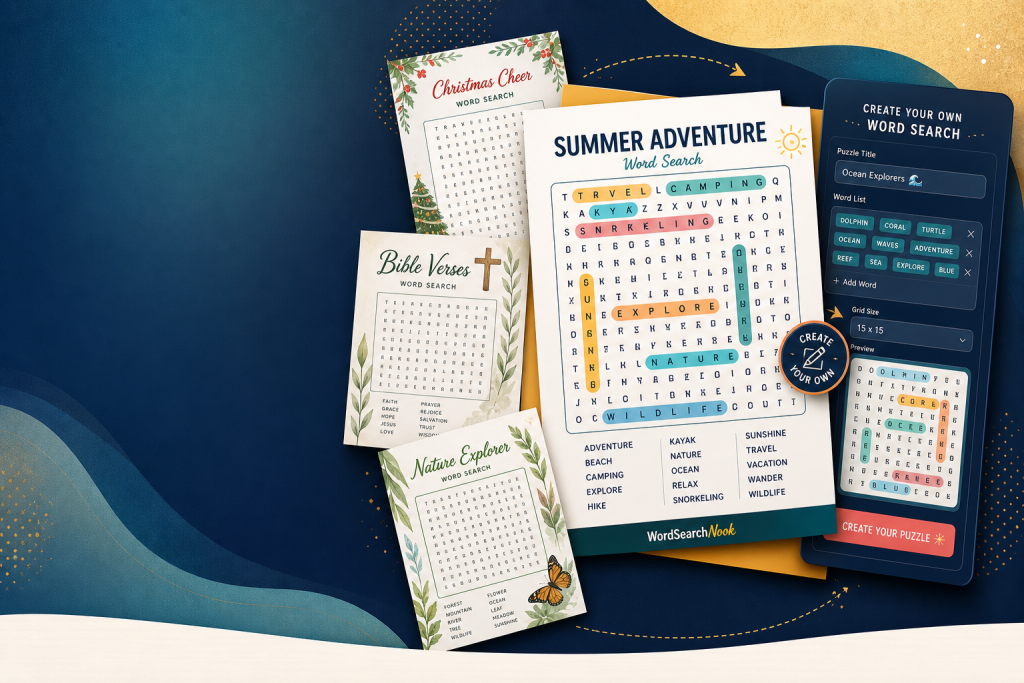
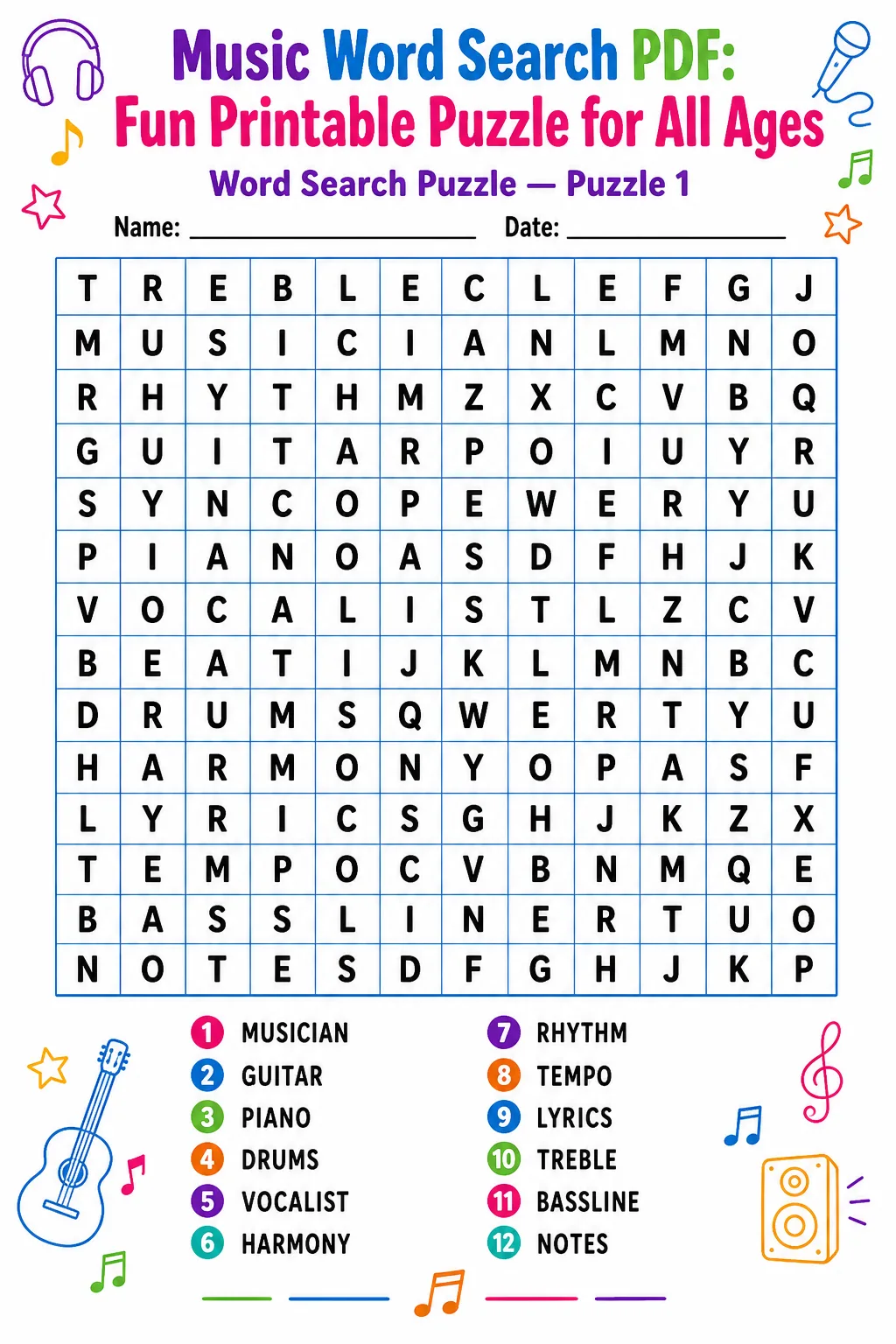
This article explores the music terms word search PDF, guiding you through creating and understanding custom printable word search puzzles focused on music vocabulary. Learn how to design engaging puzzles, the benefits of word searches for learning, and tips to avoid common mistakes. Perfect for educators, parents, and music lovers looking for a fun and educational activity.
Introduction
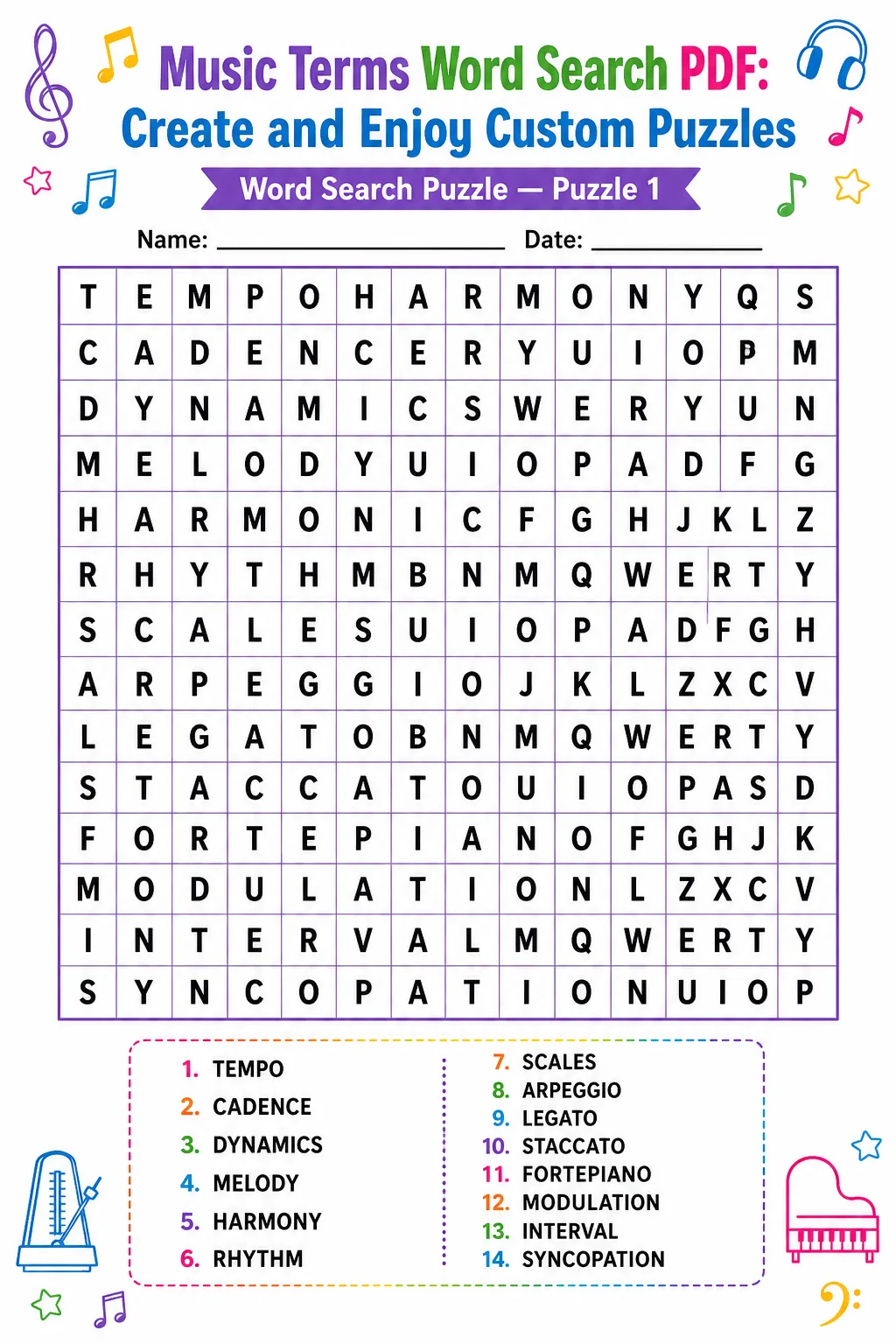
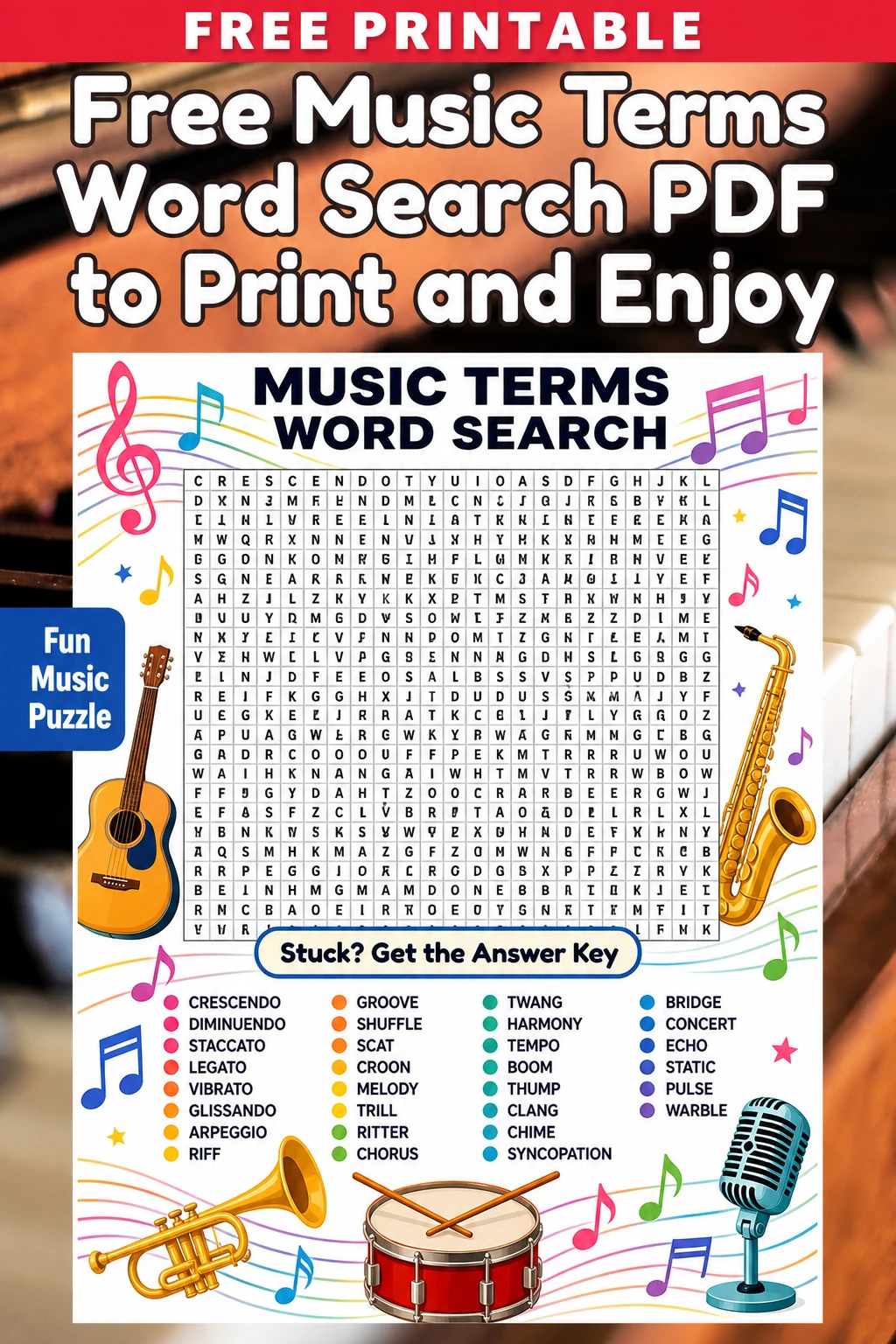
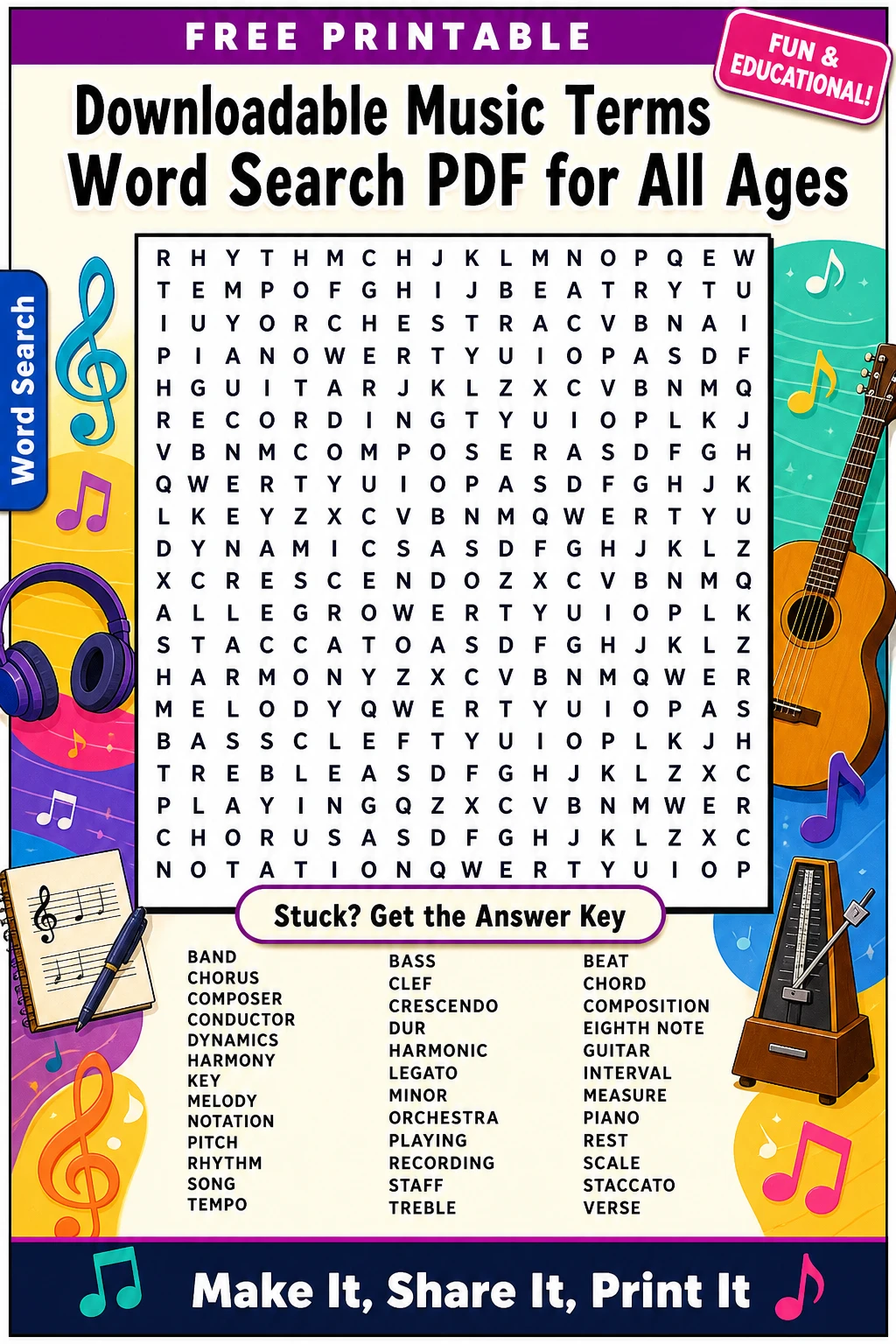
If you love music and puzzles, the music terms word search PDF is a perfect activity to combine both interests. This type of word search puzzle includes vocabulary related to music, such as rhythm, melody, and tempo, hidden in a grid of letters. It offers a fun way to learn and reinforce music terminology while enjoying a relaxing challenge. Whether you are a teacher, student, or music enthusiast, this guide will help you understand how to create your own custom printable word search puzzles focused on music terms. You will find clear instructions, useful tips, and explanations to make your puzzle both enjoyable and educational.
Story
One rainy afternoon, I found myself searching for a quiet activity that combined my love for music and puzzles. That’s when I discovered the idea of a music terms word search PDF. It started as a simple way to keep my younger siblings entertained while also introducing them to musical vocabulary. As we worked through the puzzle together, I noticed how much fun they had identifying terms like 'tempo' and 'melody'. This experience inspired me to create more custom word searches focused on music, making learning feel like a game. Over time, these puzzles became a favorite pastime in our family, perfect for quiet weekends or travel days. The music terms word search PDF not only entertains but also deepens appreciation for the language of music.
How To Do It
Why This Works
Benefits of Music Terms Word Searches
Word search puzzles like the music terms word search PDF offer a unique blend of fun and education. They help improve vocabulary recognition, spelling skills, and concentration, especially when focused on a specific topic like music. This guide works because it breaks down the puzzle creation process into clear, manageable steps, making it accessible to people with varying experience levels. It also explains how to tailor puzzles to different ages and skill sets, ensuring the activity remains engaging and rewarding.
Rationale Behind This Guide
By focusing on music terms, the puzzle becomes more than just a game; it becomes a learning tool that reinforces musical knowledge. The detailed instructions and tips help avoid common pitfalls, making the creation process smoother. In addition, the guide encourages customization, which allows users to create puzzles that fit their needs perfectly. Overall, this post supports both educators and hobbyists in making enjoyable and educational word search puzzles.
FAQ
Pro Tips
Common Mistakes to Avoid
Final Thoughts
Creating and solving a music terms word search PDF is a rewarding way to combine fun with learning. By following the steps and tips in this guide, you can design puzzles that suit any age or skill level, making music vocabulary more accessible and enjoyable. Whether for classroom use, family activities, or personal enrichment, these puzzles offer a relaxing and educational challenge. Start crafting your own music-themed word searches today and watch how they enhance your understanding and appreciation of musical terms.
Keep your word list focused and relevant to the music theme for better engagement.
Use a variety of word directions to increase puzzle complexity gradually.
Double-check that all words fit properly before finalizing the puzzle layout.
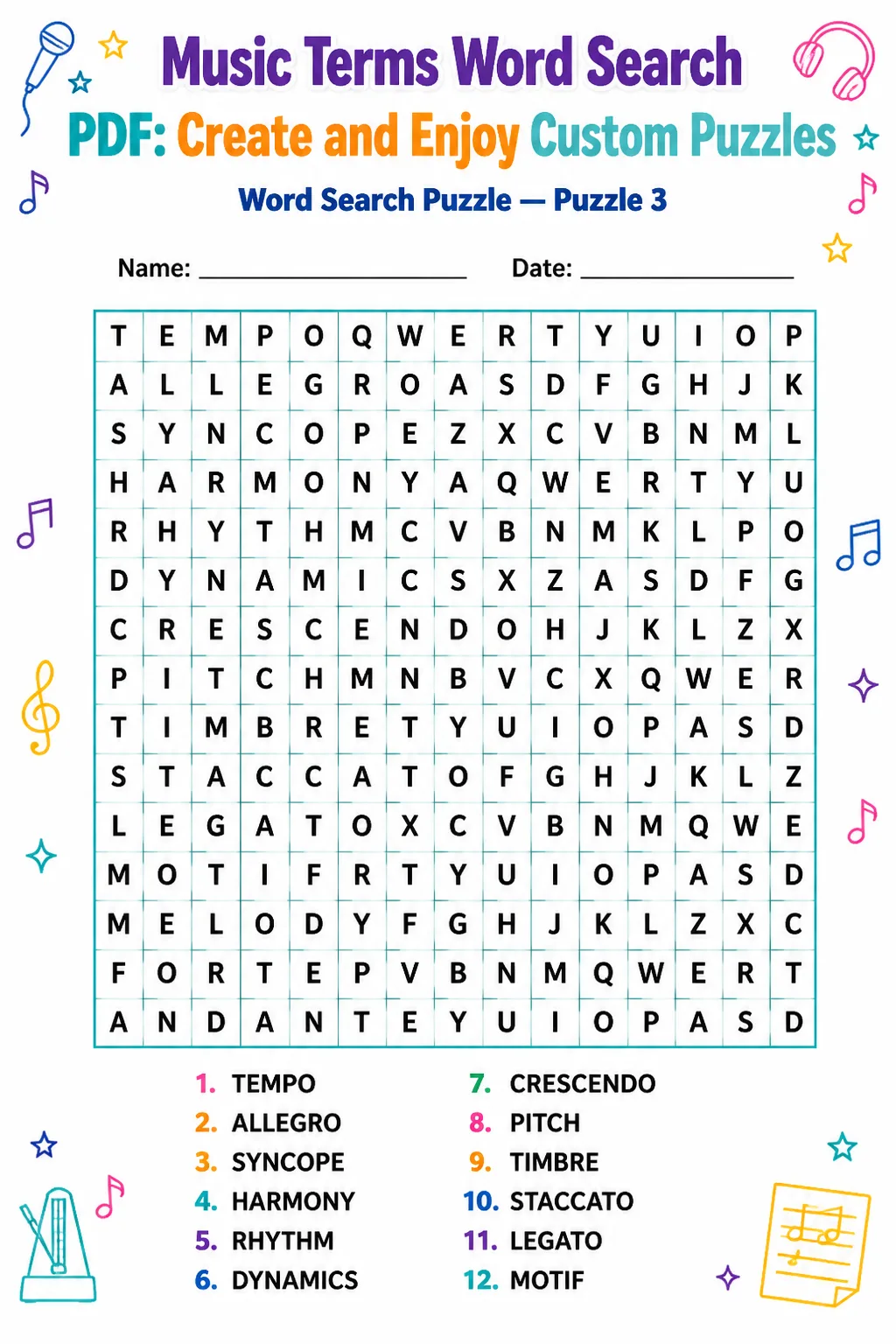
Provide clear instructions and a word list to help solvers know what to look for.
Gallery
Create puzzle
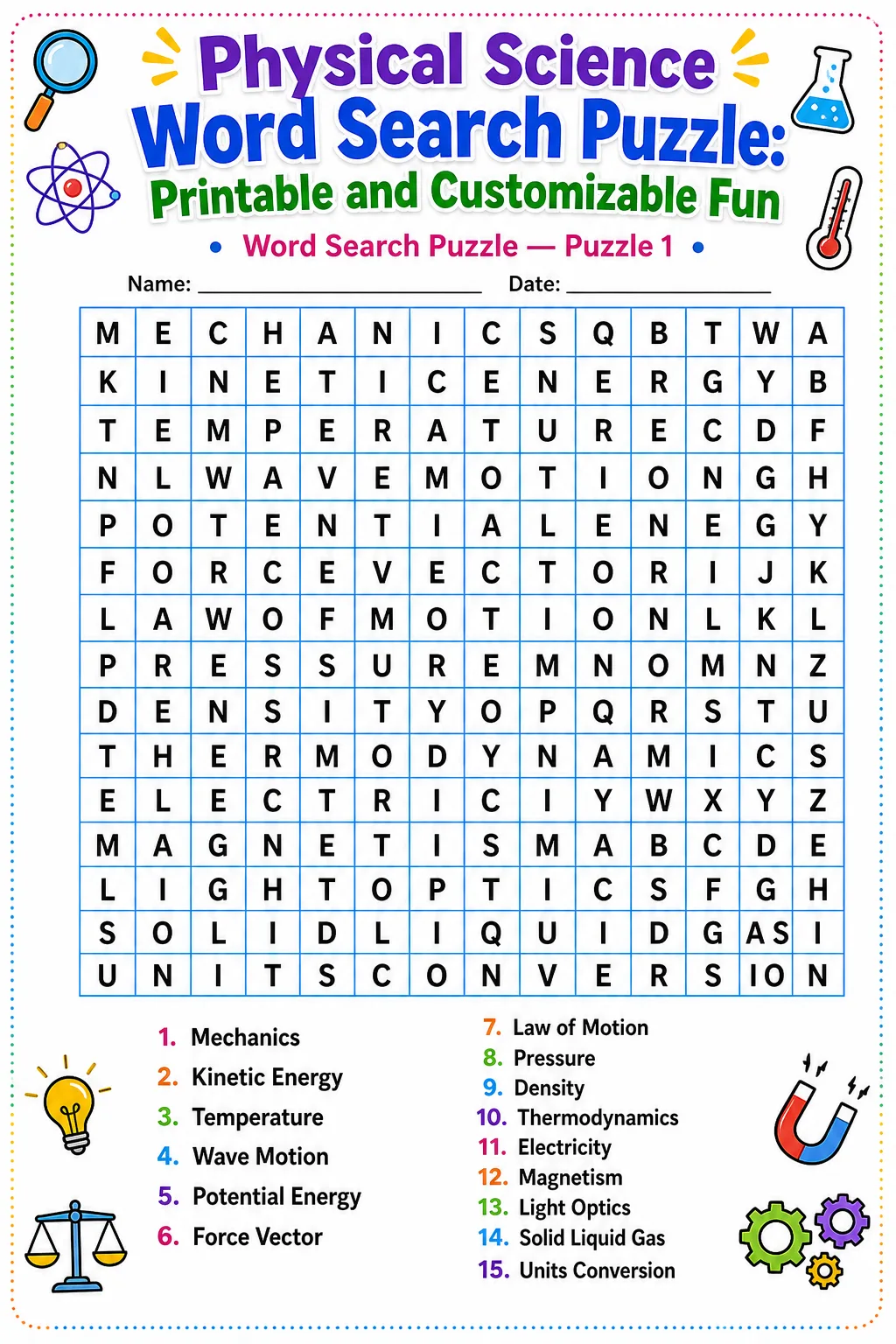
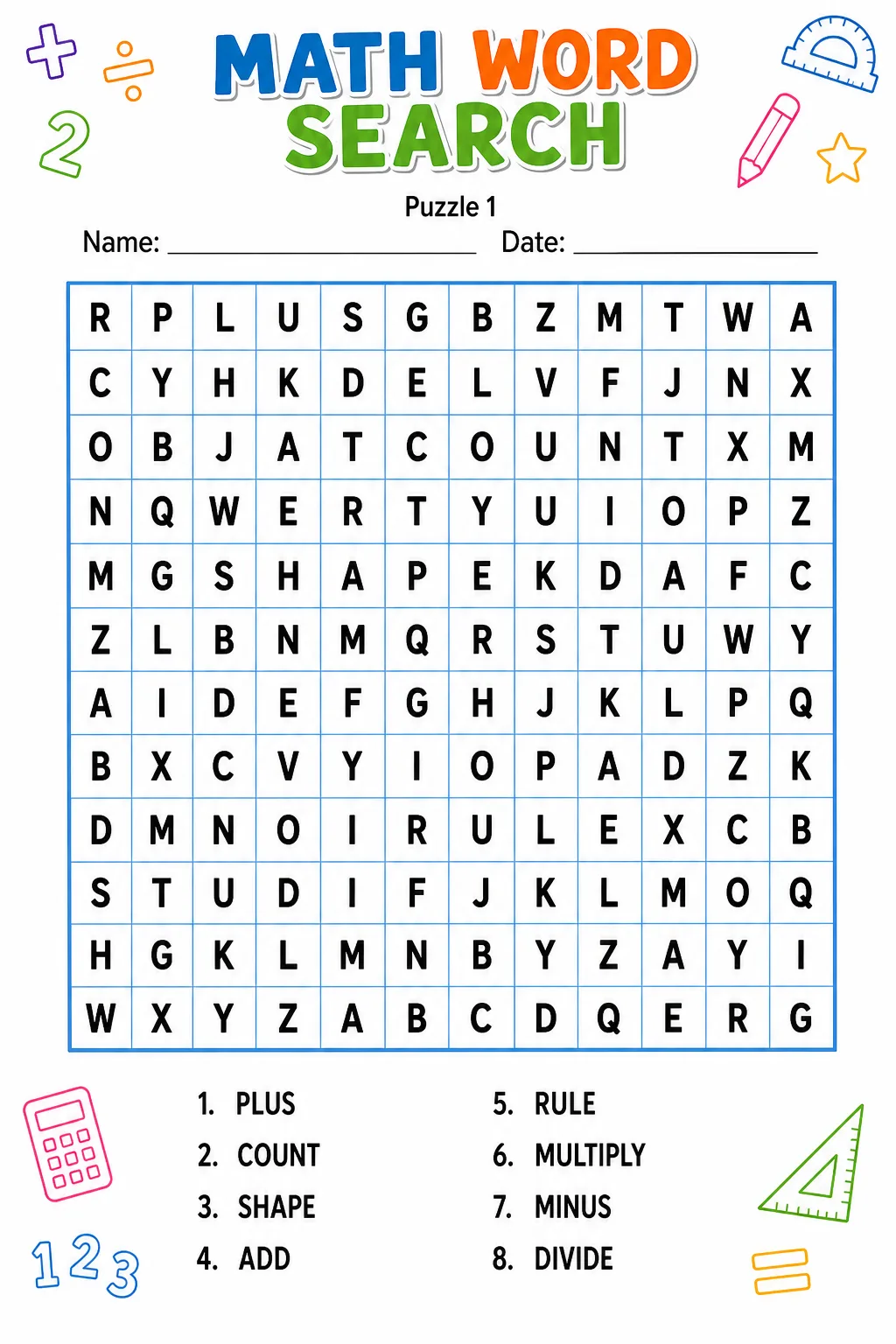
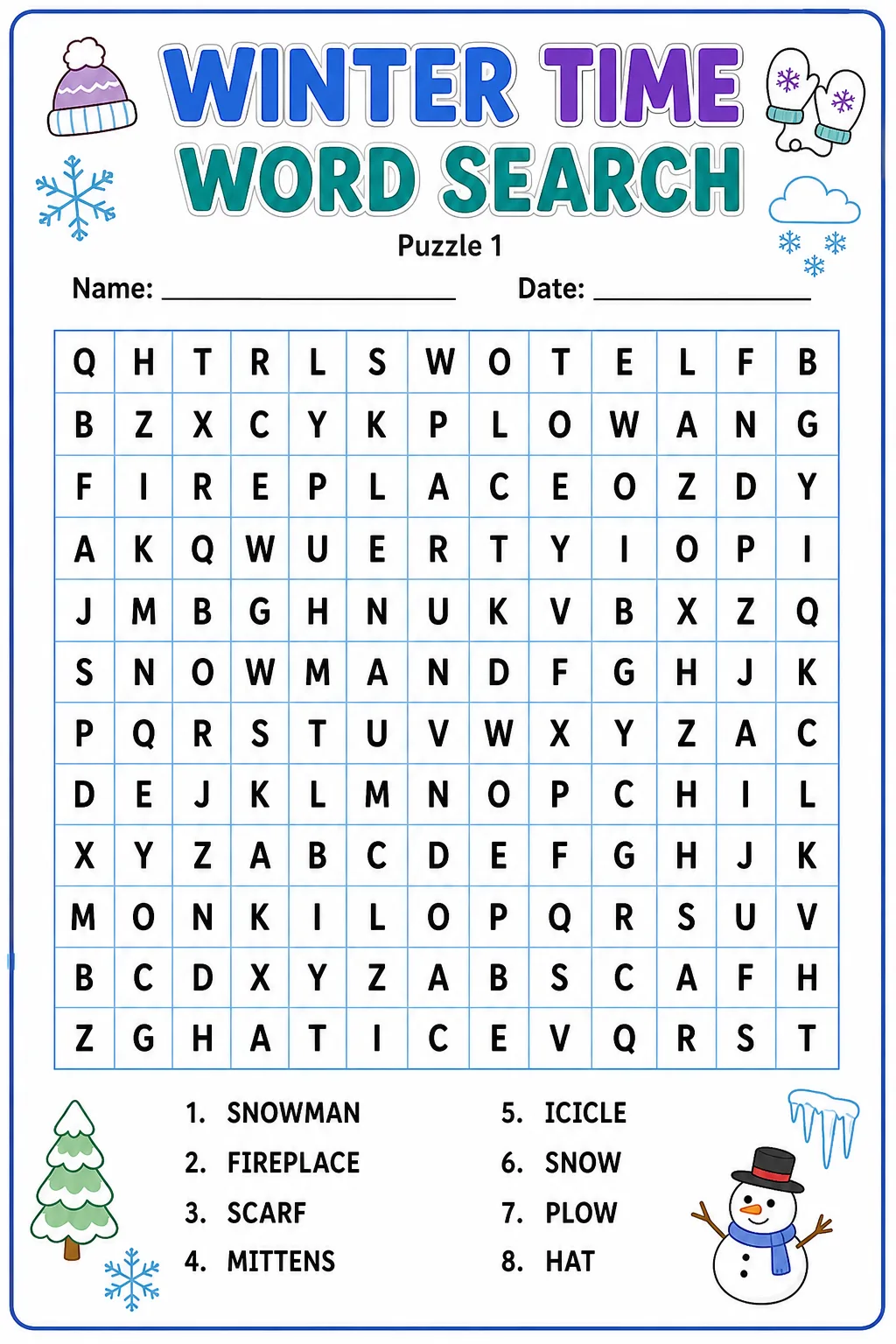
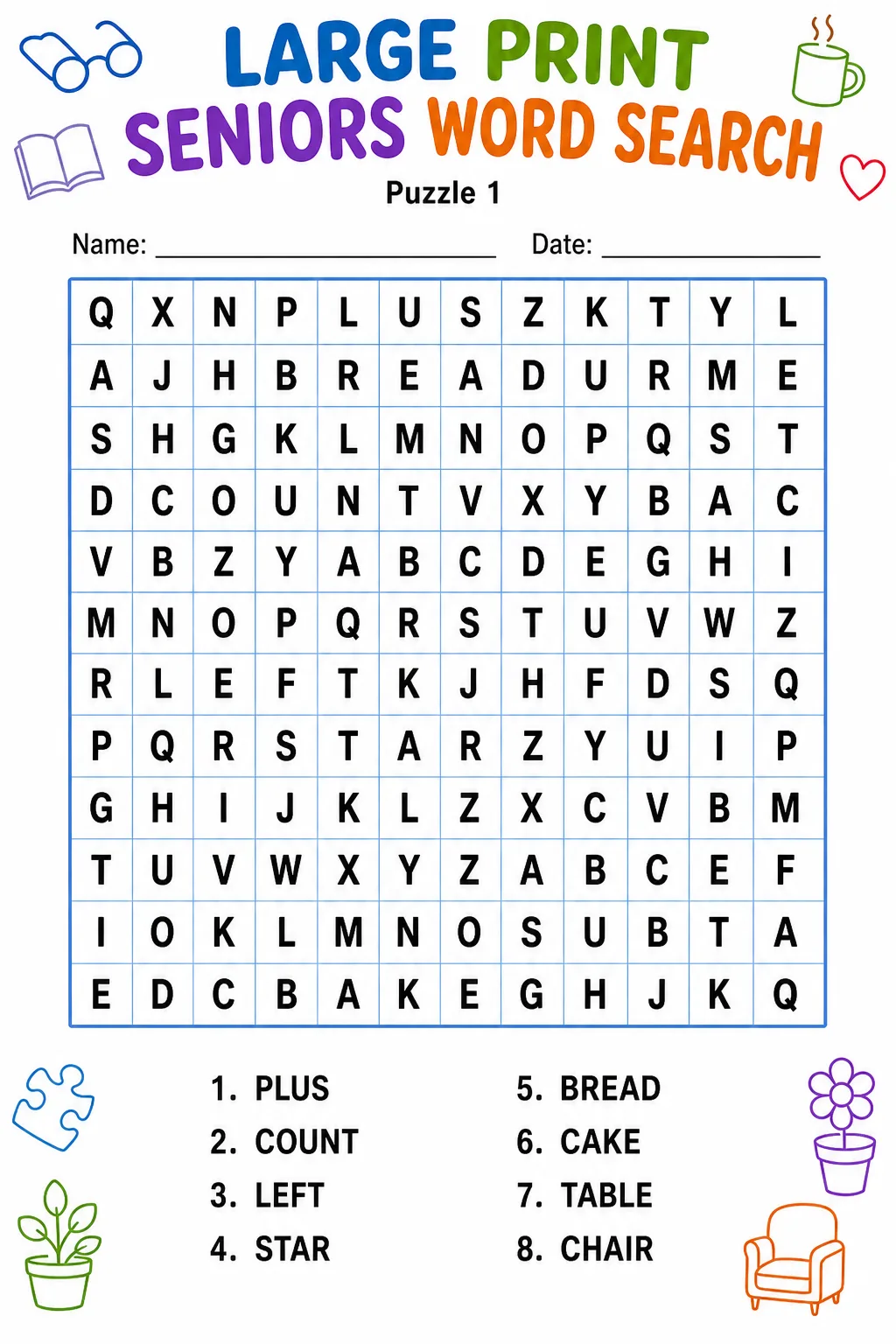
Creating your own music terms word search PDF is easier than you might think. First, pick a theme related to music, such as instruments, musical styles, or theory terms. Next, compile a list of words that fit your theme. When selecting words, consider the age and skill level of your audience; younger players benefit from shorter, simpler words, while older players enjoy more challenging vocabulary.
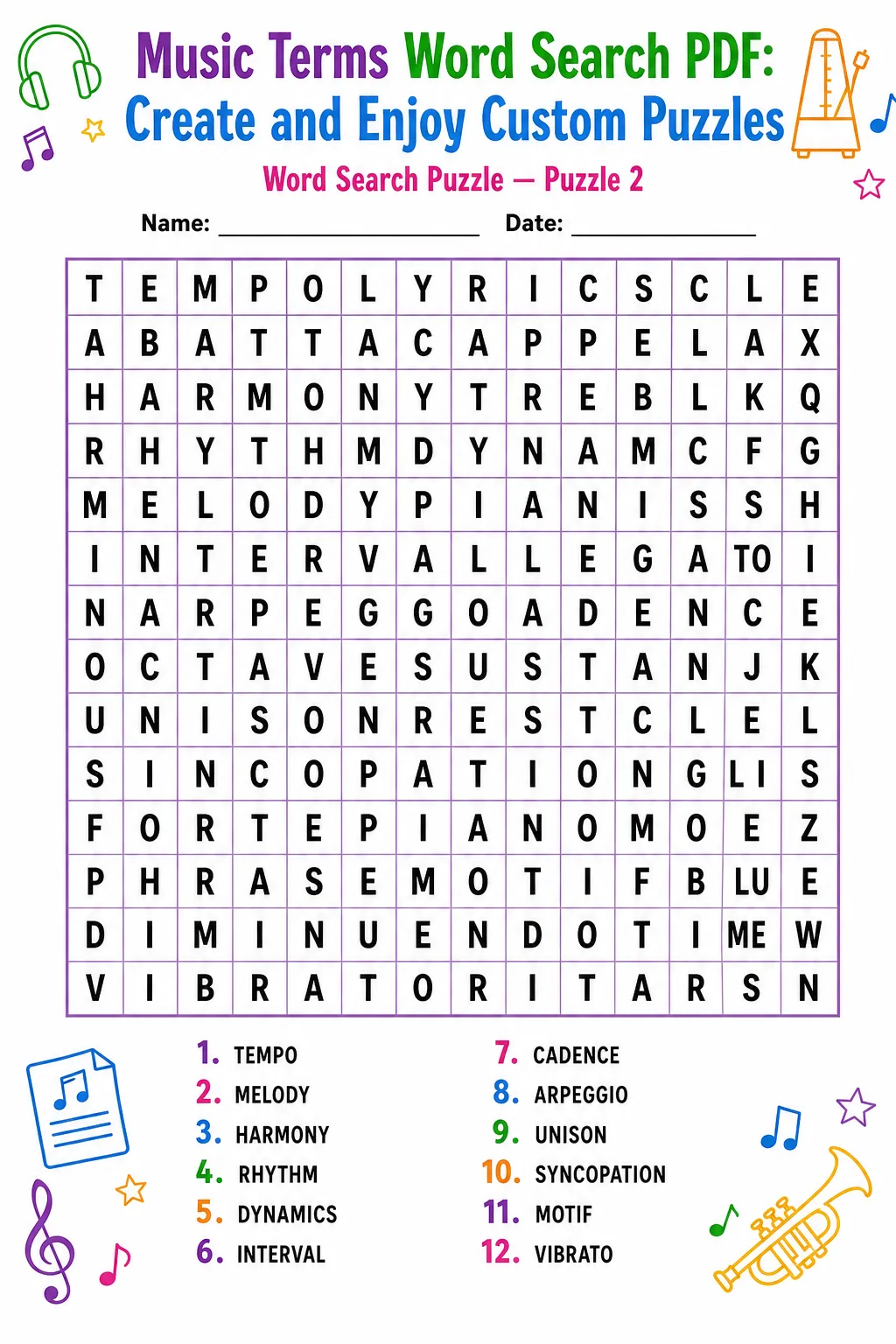
After choosing your word list, decide on the grid size. Smaller grids with fewer words work well for beginners, while larger grids with more words and directions (like diagonal or backward placement) add complexity for advanced puzzlers. Keep in mind that very long words or those with spaces and special characters can be difficult to place neatly, so it’s best to avoid them.
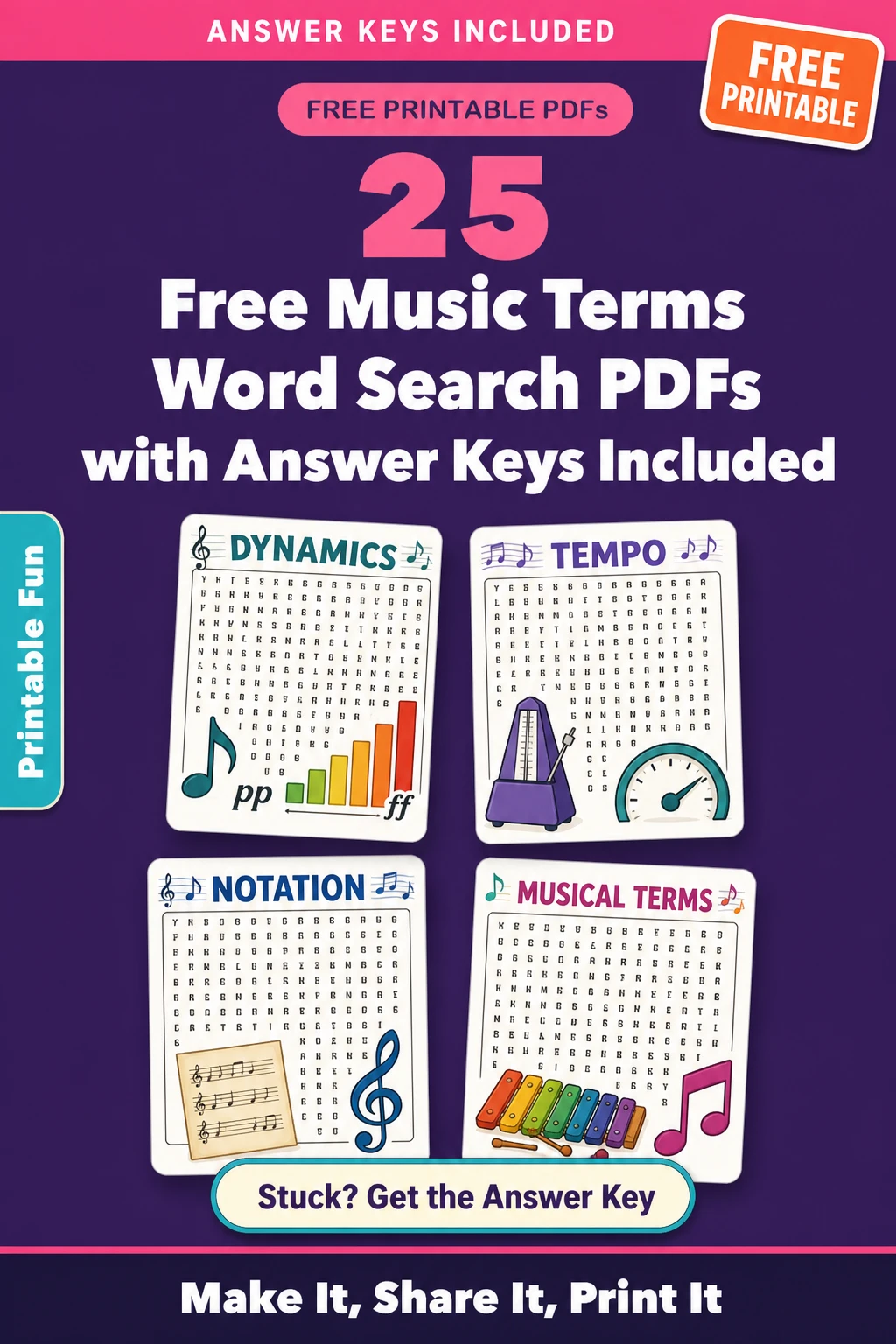
Once you have your grid size and word list, start placing the words into the grid, ensuring they fit without overlapping incorrectly. Fill the remaining spaces with random letters to complete the puzzle. Finally, create an answer key that highlights the location of each word. This step is essential for helping solvers check their progress and learn the music terms effectively.
Leave a Reply