
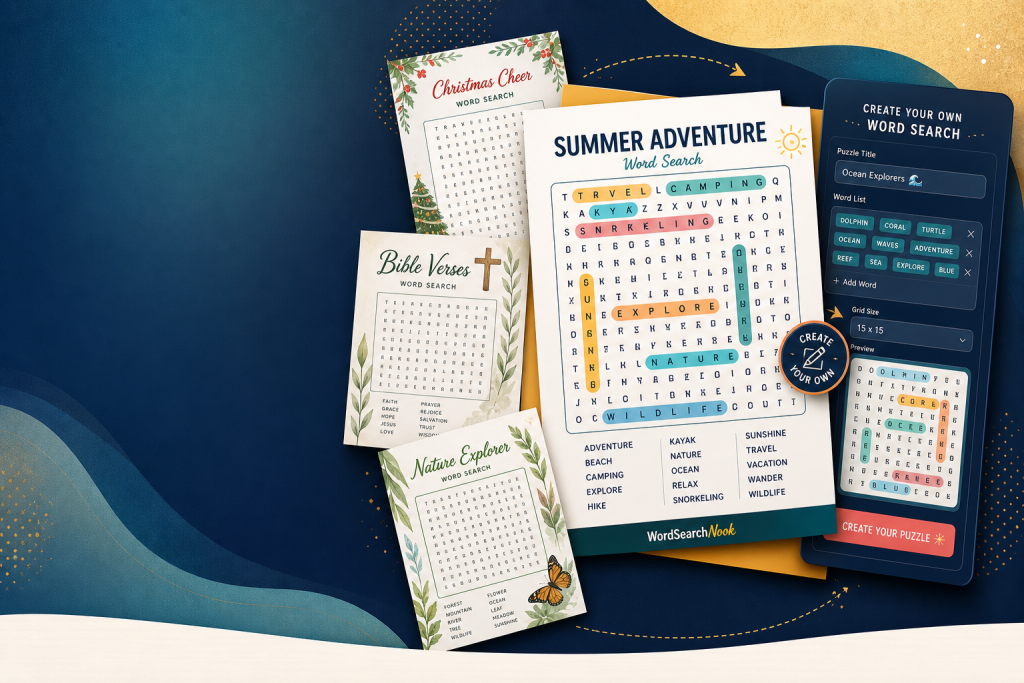
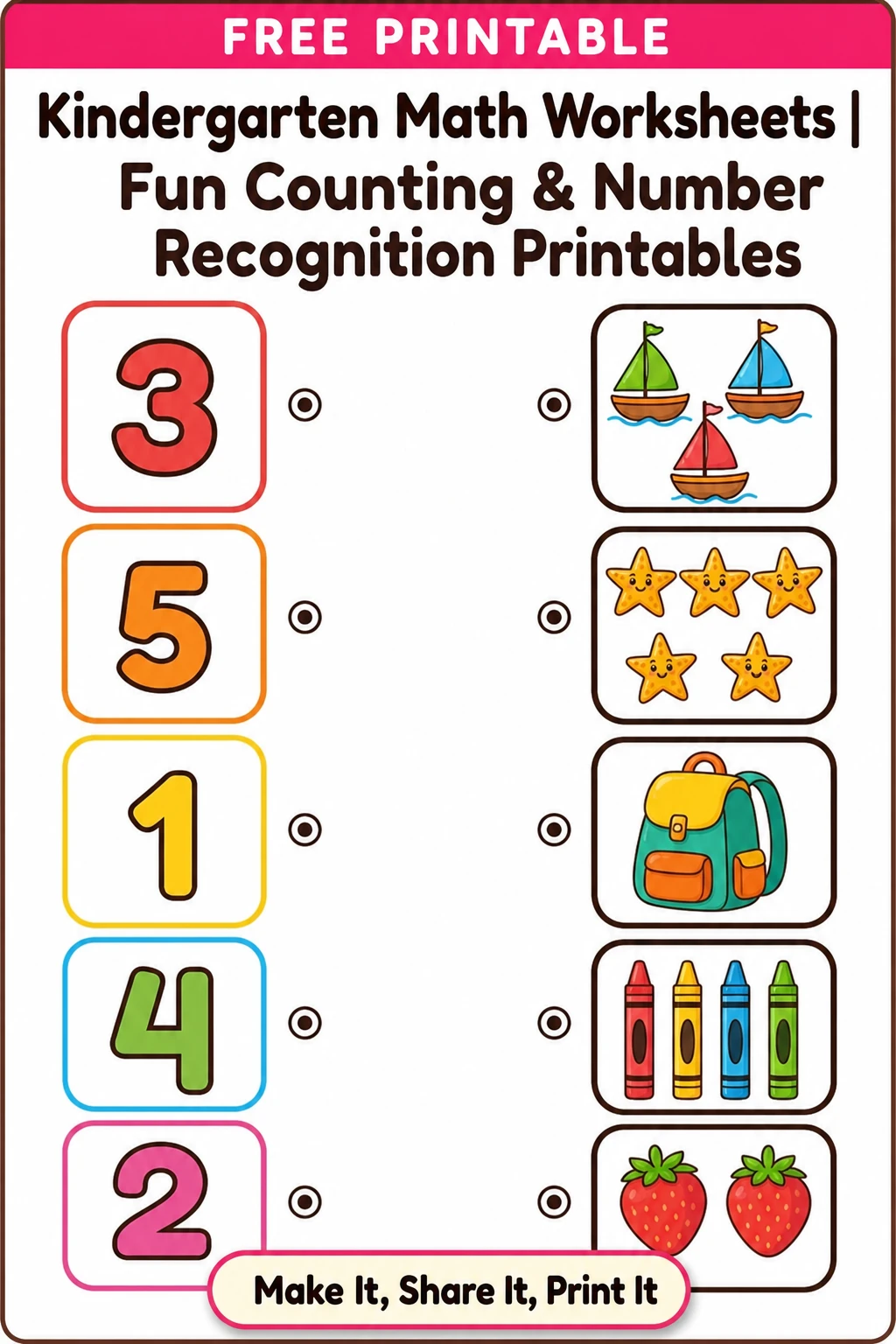
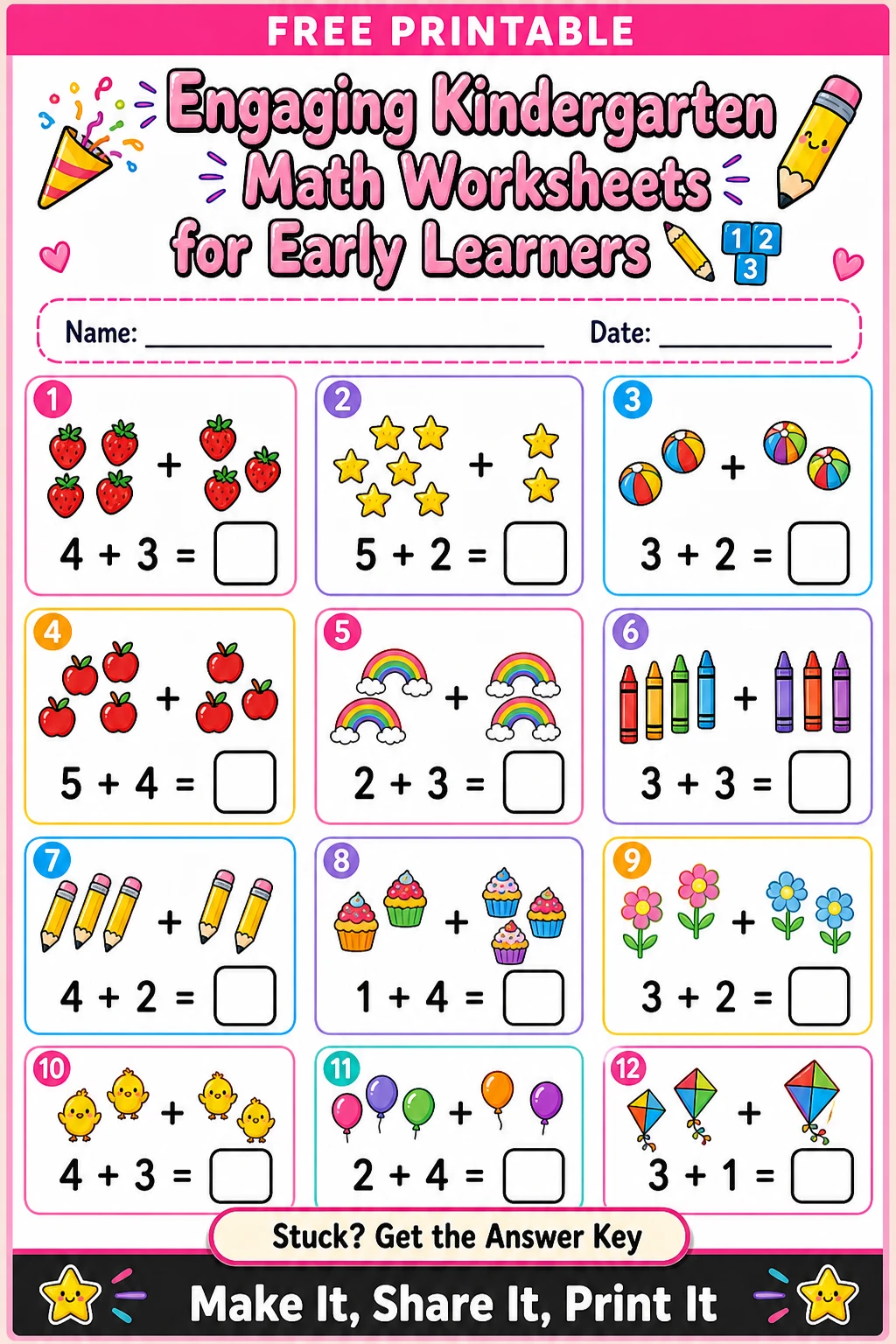
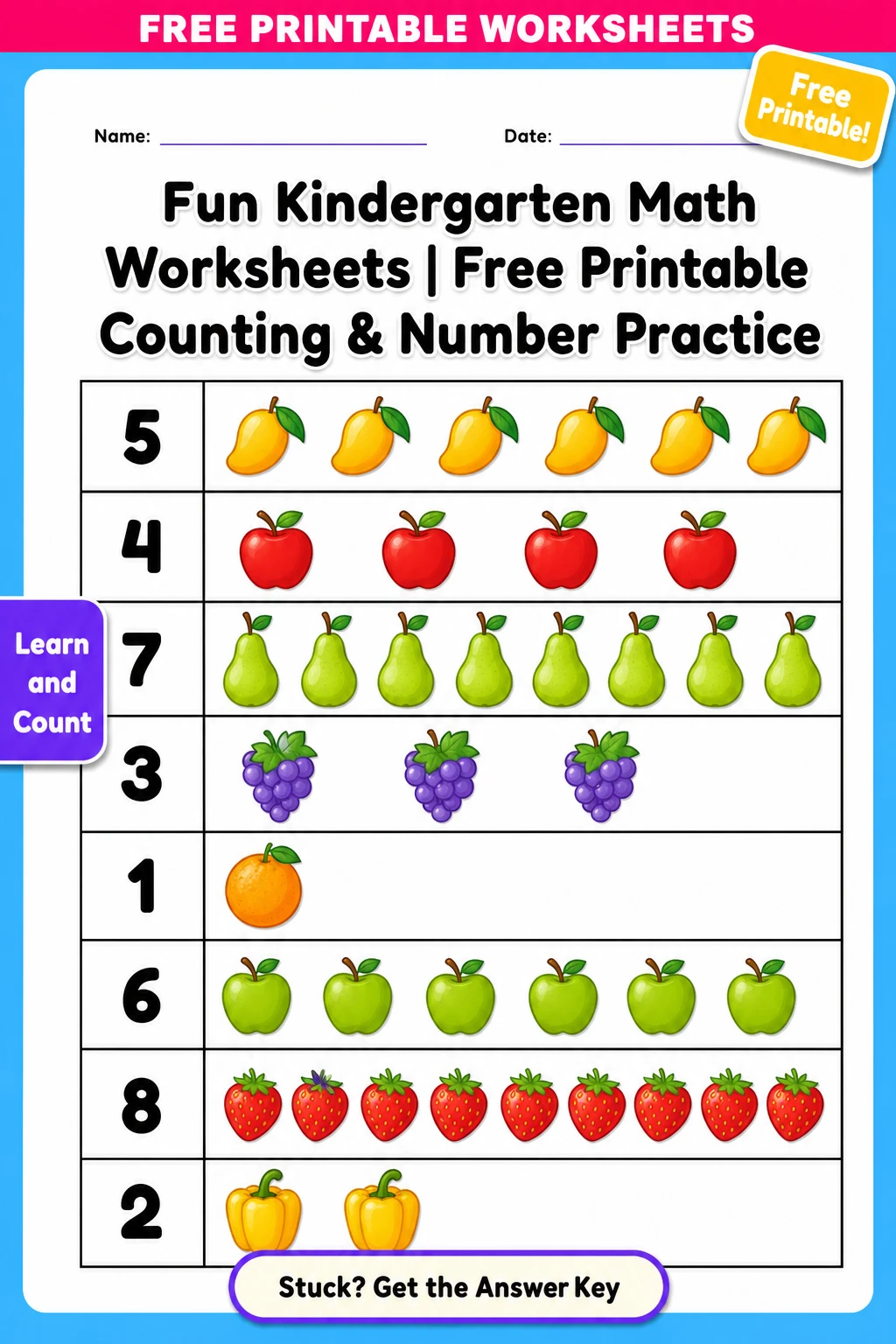
Kindergarten worksheets math activities are a great way to engage young learners with fun and educational puzzles. This guide explains how to create and understand custom printable word search puzzles tailored for early math skills, helping children practice number recognition and counting in an enjoyable format.
Introduction
Introduction to Kindergarten Worksheets Math Word Search
Kindergarten worksheets math activities often include a variety of engaging puzzles designed to build foundational skills. Among these, word search puzzles stand out as a playful way to reinforce number recognition and counting concepts. This article explores how to create and understand custom printable word search puzzles specifically tailored for kindergarten math learners. By combining familiar math vocabulary with an interactive format, these puzzles encourage children to develop their observation and cognitive skills while enjoying the learning process.
Whether you are a teacher, parent, or caregiver, this guide offers clear instructions and helpful tips to design word searches that suit the abilities of young children. We will also discuss common mistakes to avoid and answer frequently asked questions to ensure your puzzles are both effective and fun. Let’s dive into the world of kindergarten worksheets math puzzles and discover how to make learning an exciting adventure.
Story
How Our Kindergarten Worksheets Math Word Search Came to Life
One rainy afternoon, I was looking for a fun way to help my niece practice her numbers and basic math vocabulary. She loves puzzles, but many worksheets seemed either too simple or too complicated for her kindergarten level. That’s when I thought about combining her favorite activity—a word search—with math words she was learning at school. I gathered a list of simple number words and shapes she recognized and created a small word search puzzle for her to solve.
Watching her excitement as she found each word made me realize how effective and enjoyable this approach could be. It wasn’t just about finding words; it was about reinforcing math concepts in a playful way. Since then, I’ve developed more custom printable word search puzzles focusing on kindergarten worksheets math themes, sharing them with teachers and parents who want to make learning numbers and counting more interactive and fun.
How To Do It
Why This Works
Why Word Search Puzzles Benefit Kindergarten Math Learning
Word search puzzles are an excellent educational tool for young learners, especially in the context of kindergarten worksheets math. They combine visual scanning, pattern recognition, and vocabulary reinforcement, which are essential cognitive skills for early childhood development. Through searching for math-related words, children become more familiar with number names and math terms in a low-pressure setting.
This guide works because it breaks down the puzzle creation process into simple, manageable steps that anyone can follow. It emphasizes age-appropriate word choices and grid sizes to match kindergarten skill levels, ensuring the puzzles are neither too easy nor too difficult. Additionally, it highlights common pitfalls and offers practical advice to maximize engagement and learning outcomes.
By using custom printable word search puzzles, educators and parents can tailor activities to specific learning goals, making math practice more personalized and fun. The combination of hands-on interaction and cognitive challenge helps solidify foundational math concepts while keeping children motivated. Overall, this post provides a clear, comprehensive approach to creating effective kindergarten math word searches that support early education.
FAQ
Pro Tips
Common Mistakes to Avoid
Final Thoughts
Creating custom printable word search puzzles for kindergarten worksheets math is a rewarding way to support early learning. These puzzles blend fun with education, helping children build essential math vocabulary and recognition skills while enjoying an interactive activity. By following the steps and tips outlined in this guide, you can design puzzles that are both engaging and developmentally appropriate.
Remember to keep the word lists simple, the grid sizes manageable, and the layout clear to maintain children’s interest and confidence. With practice, these word searches can become a valuable part of your teaching toolkit or home learning routine. Embrace the creativity involved in puzzle making and watch as young learners develop their math skills through play.
Always preview your puzzle to check for errors before printing.
Use large, clear fonts to make the puzzle easy to read for young children.
Incorporate themes that relate to current lessons or seasons to increase interest.
Encourage children to say the words aloud as they find them to reinforce learning.
Gallery
Create puzzle
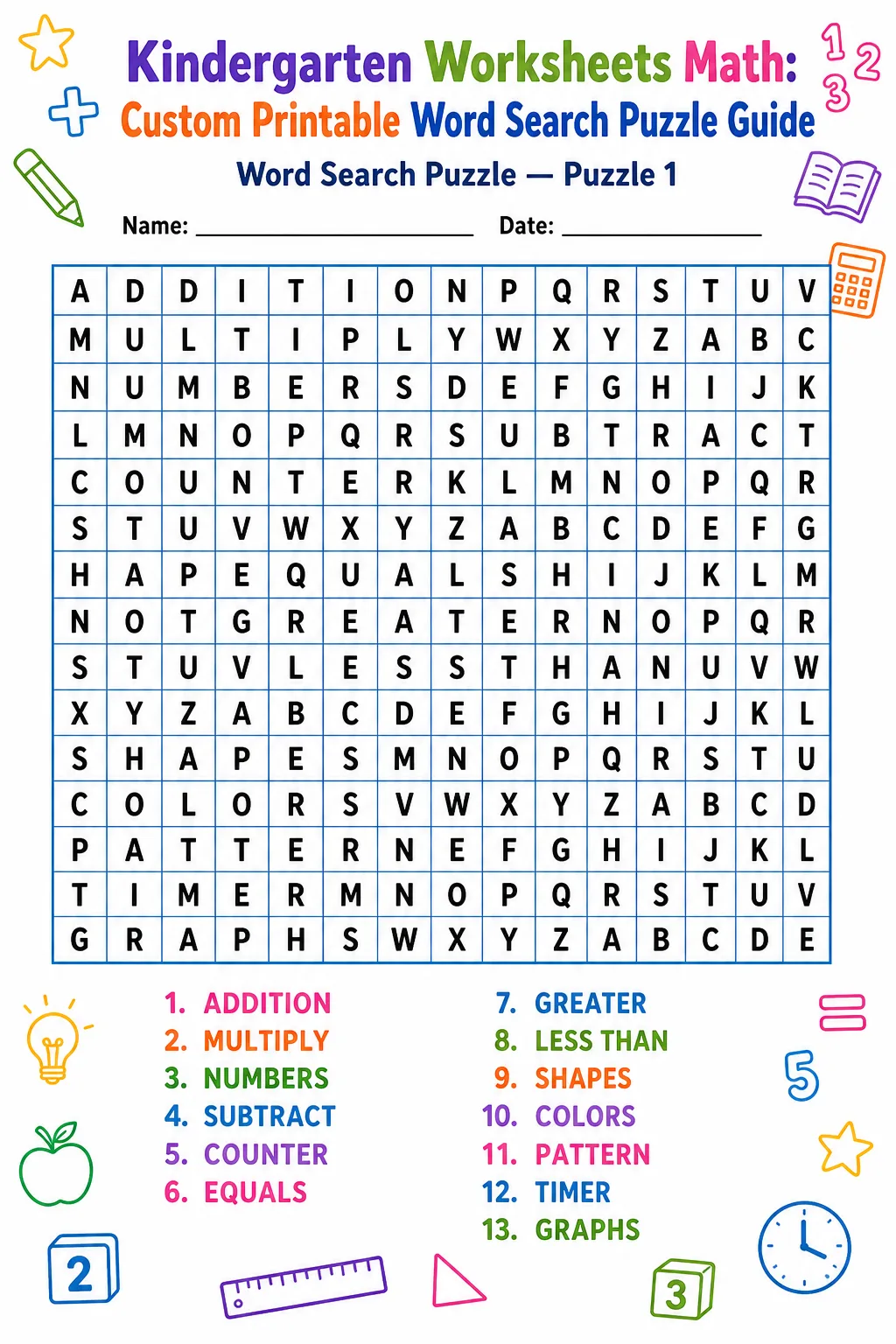
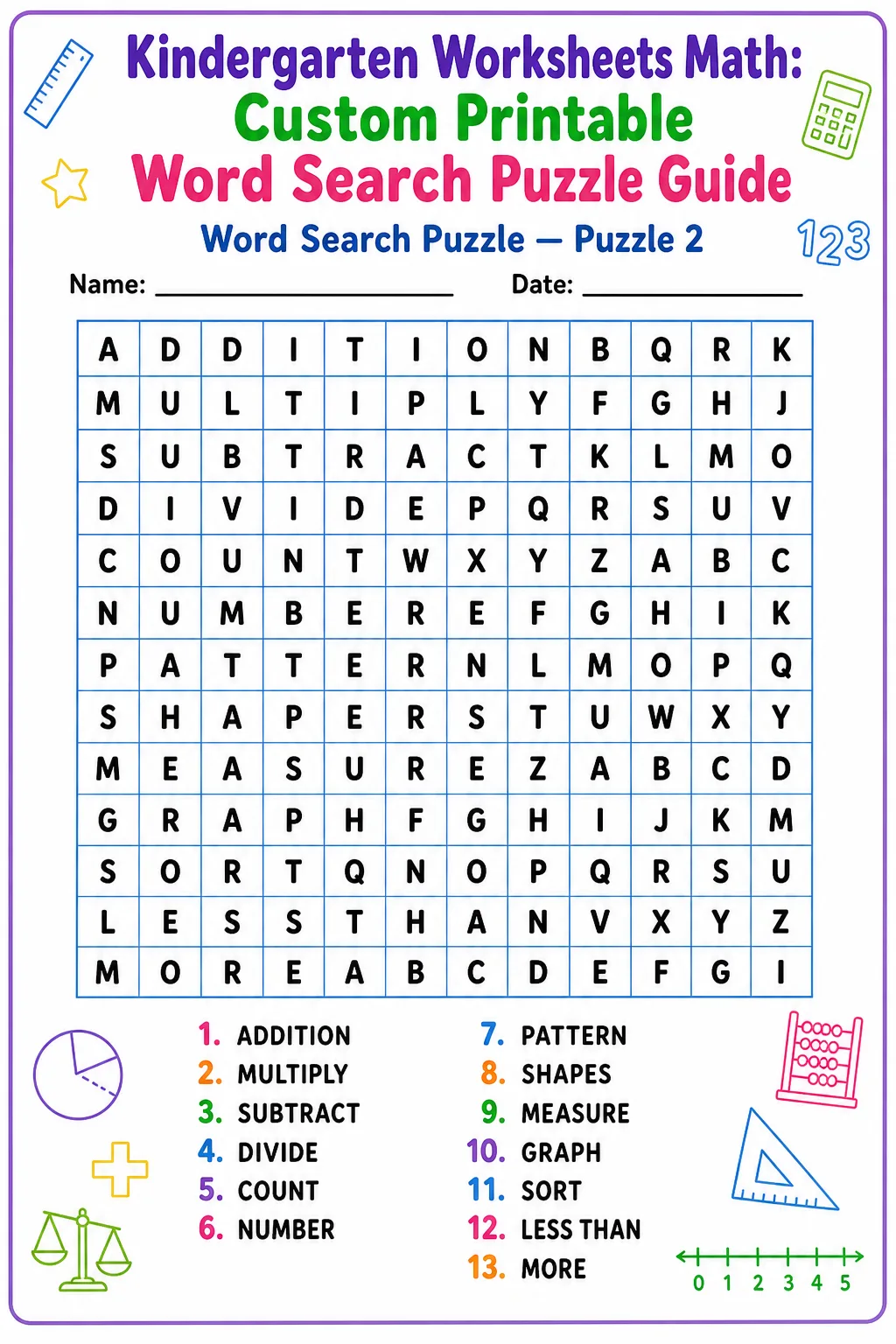
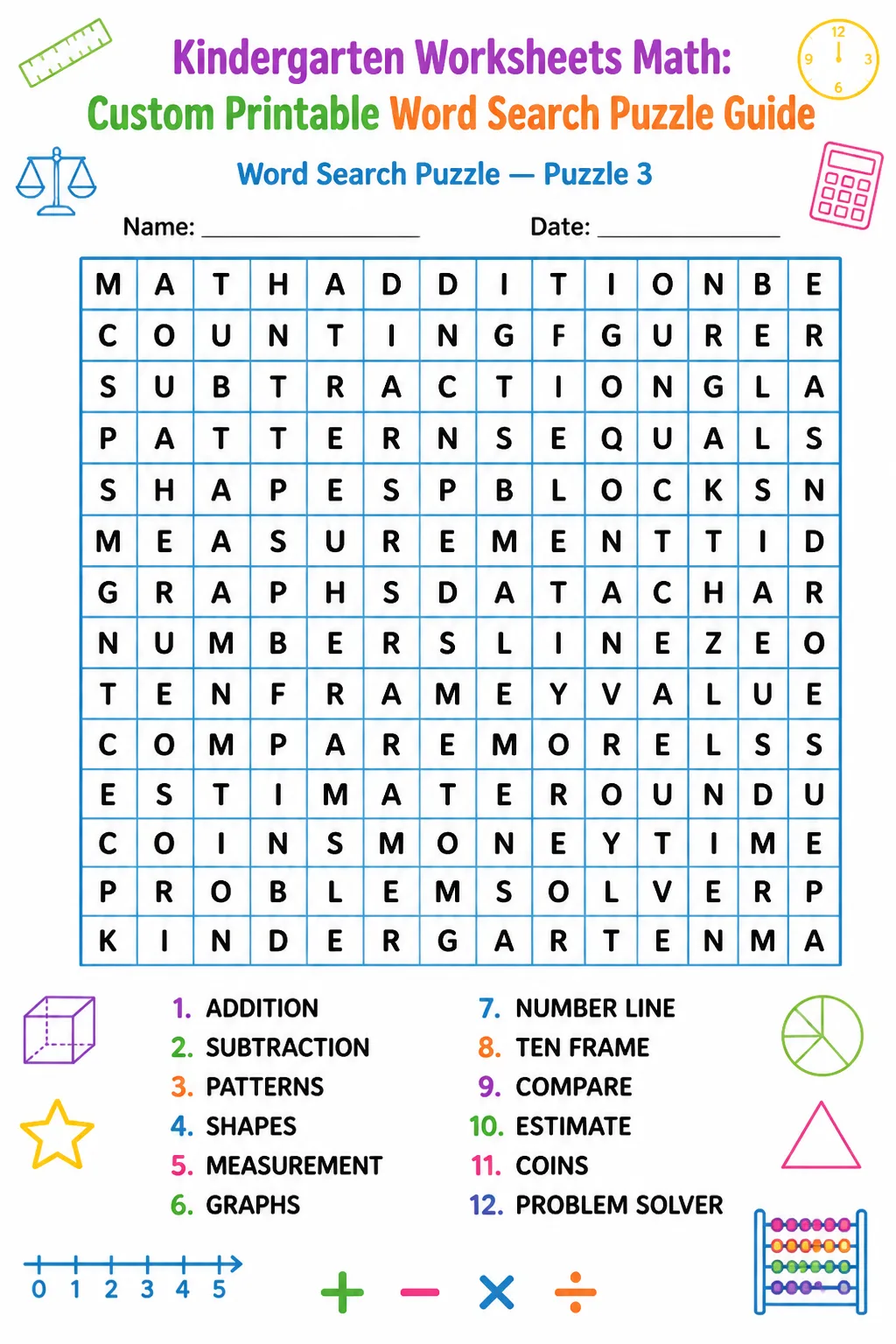
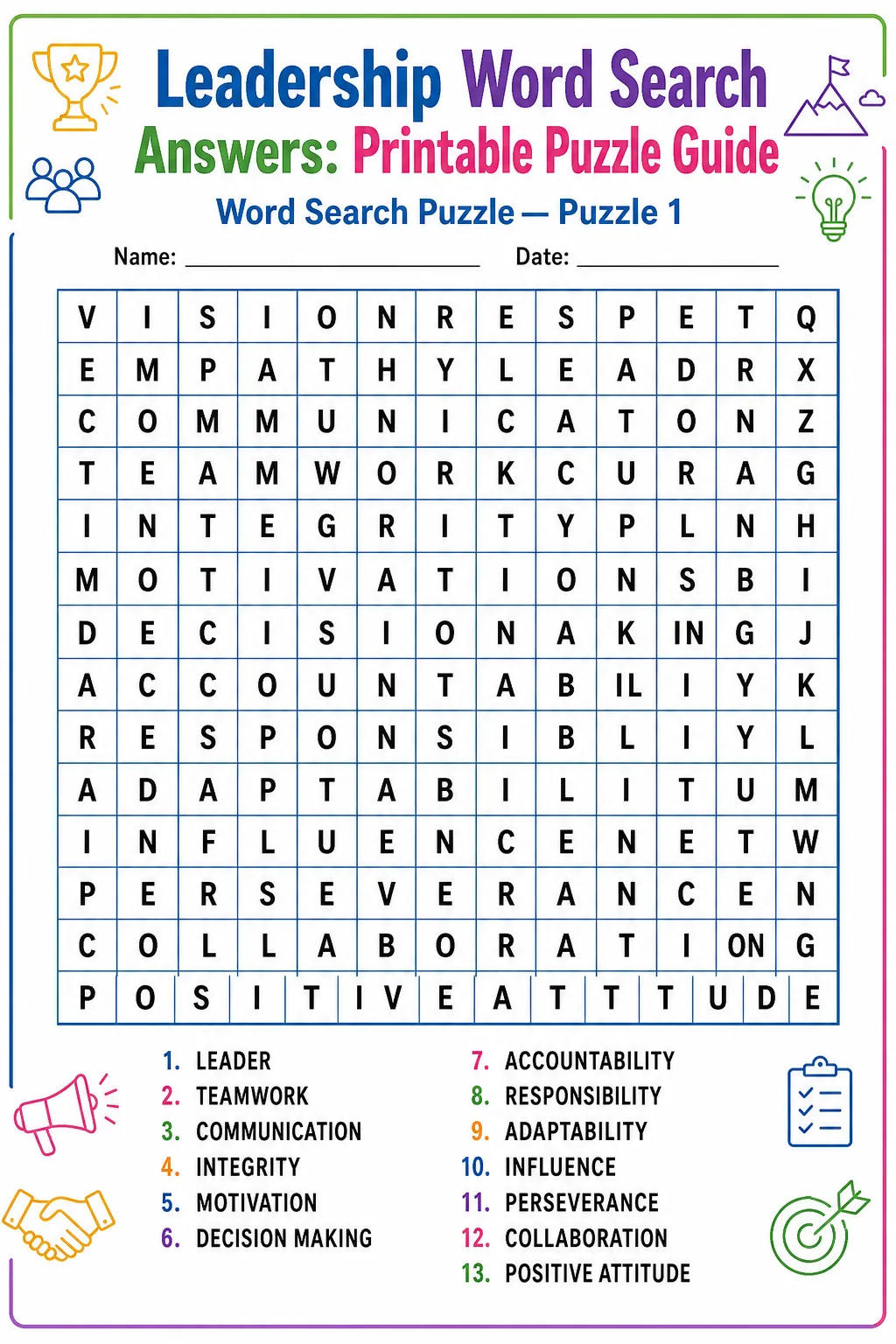
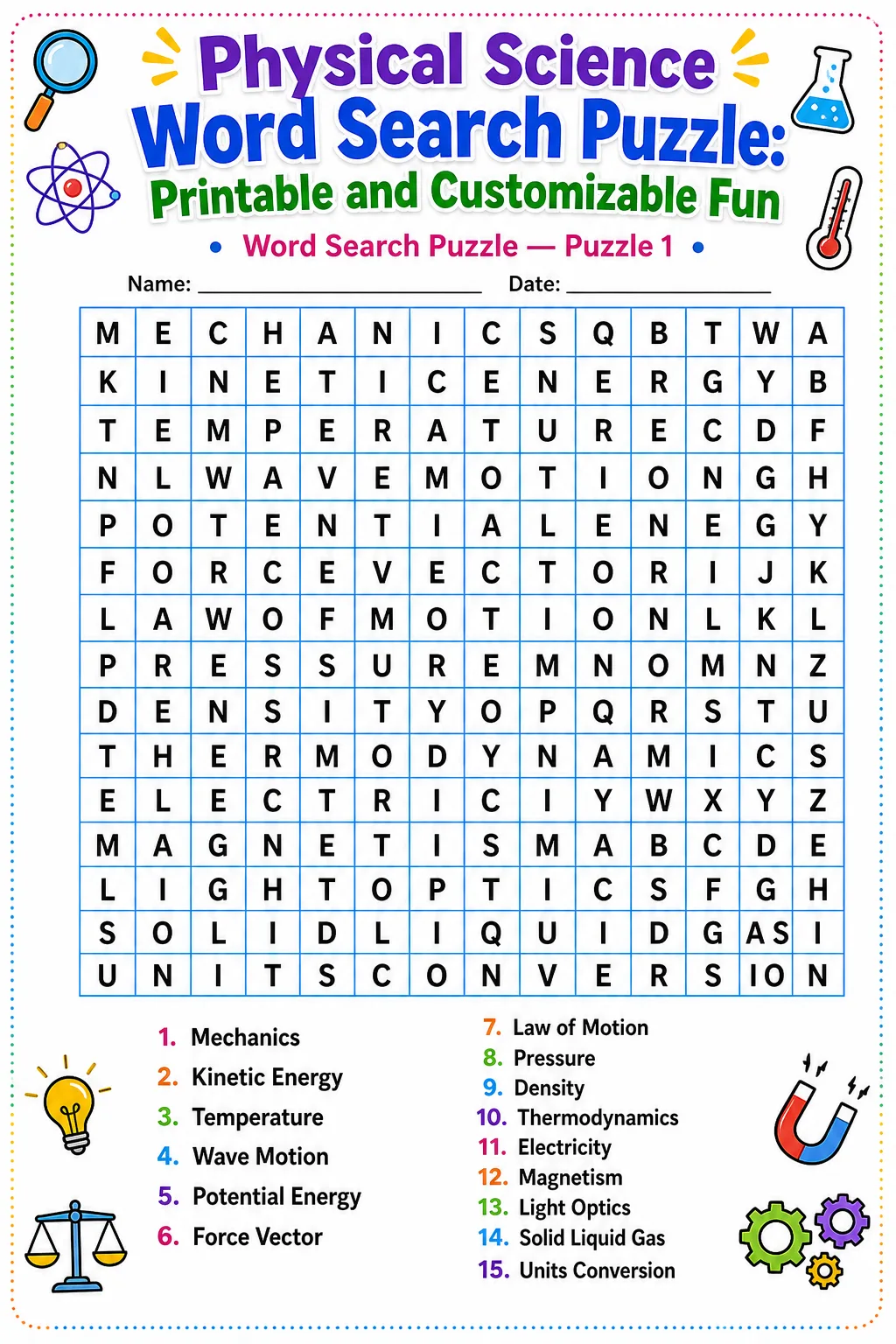
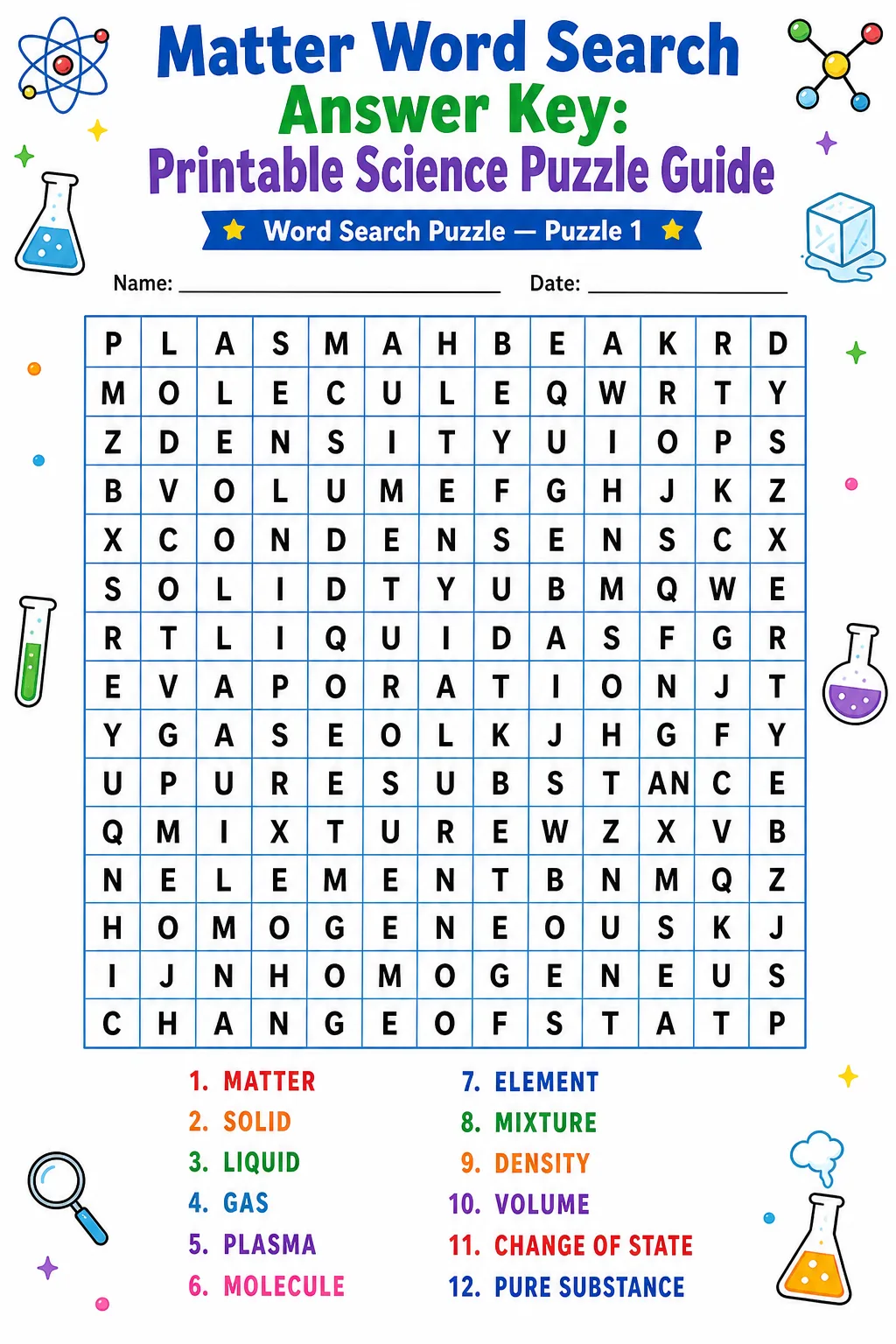
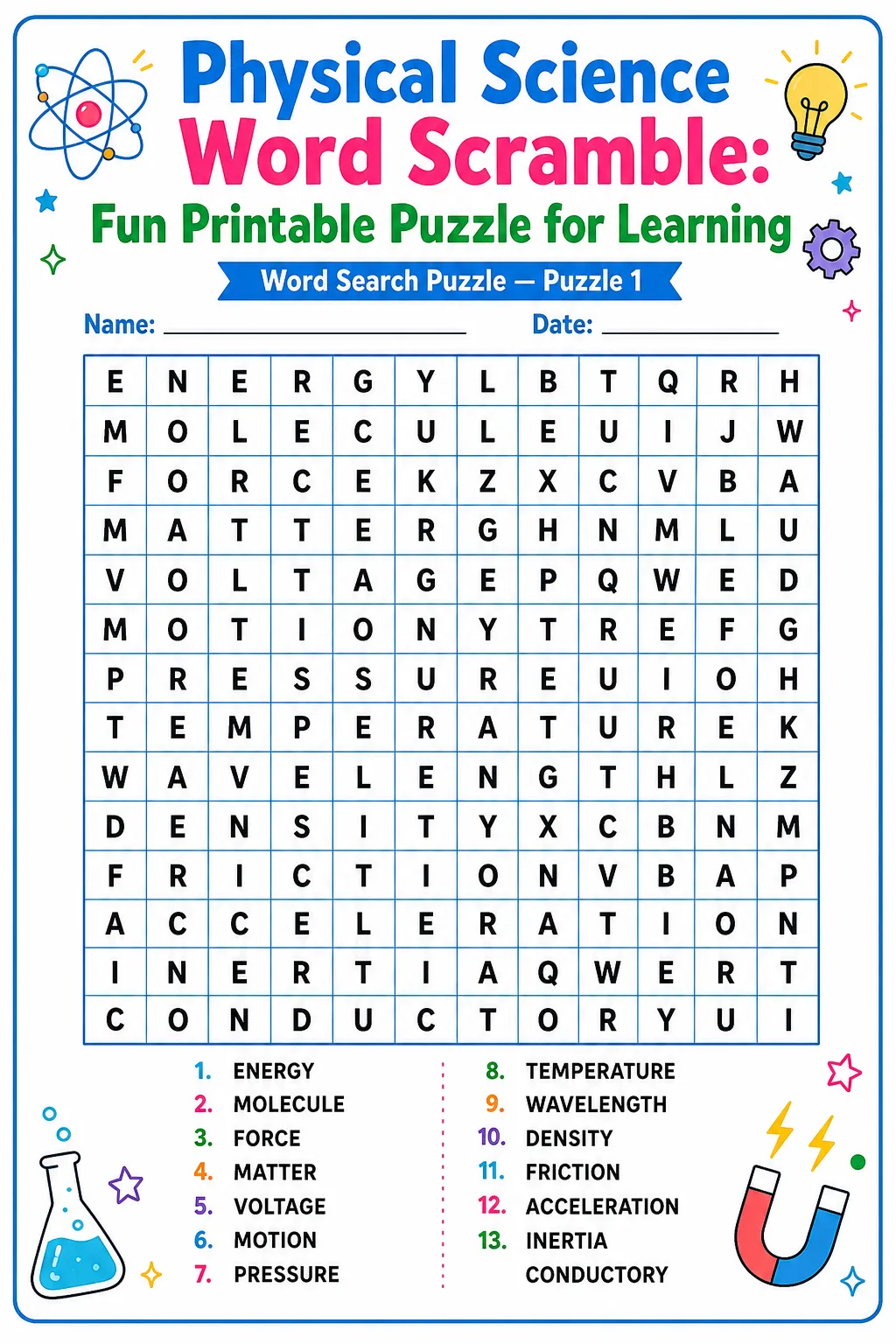
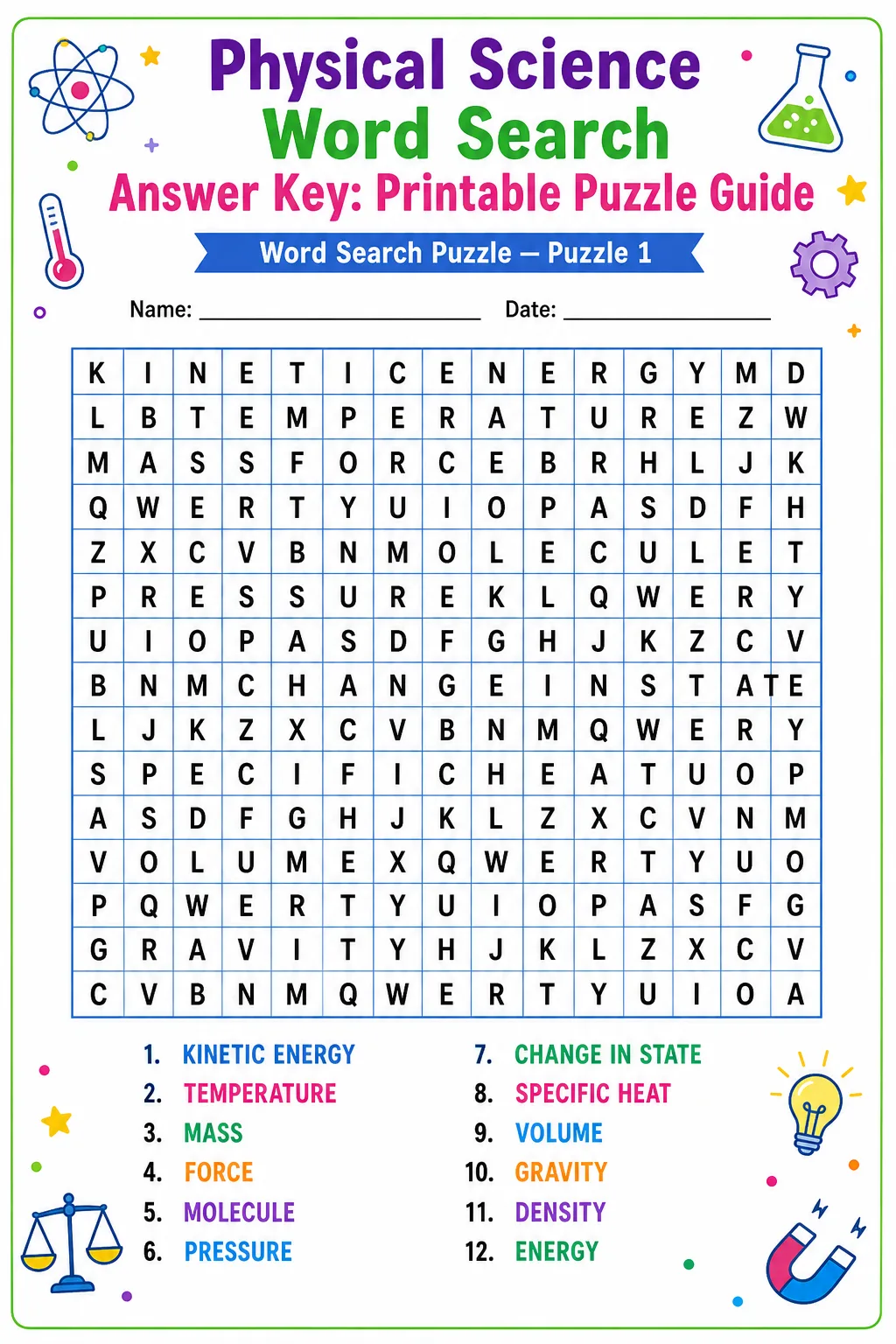
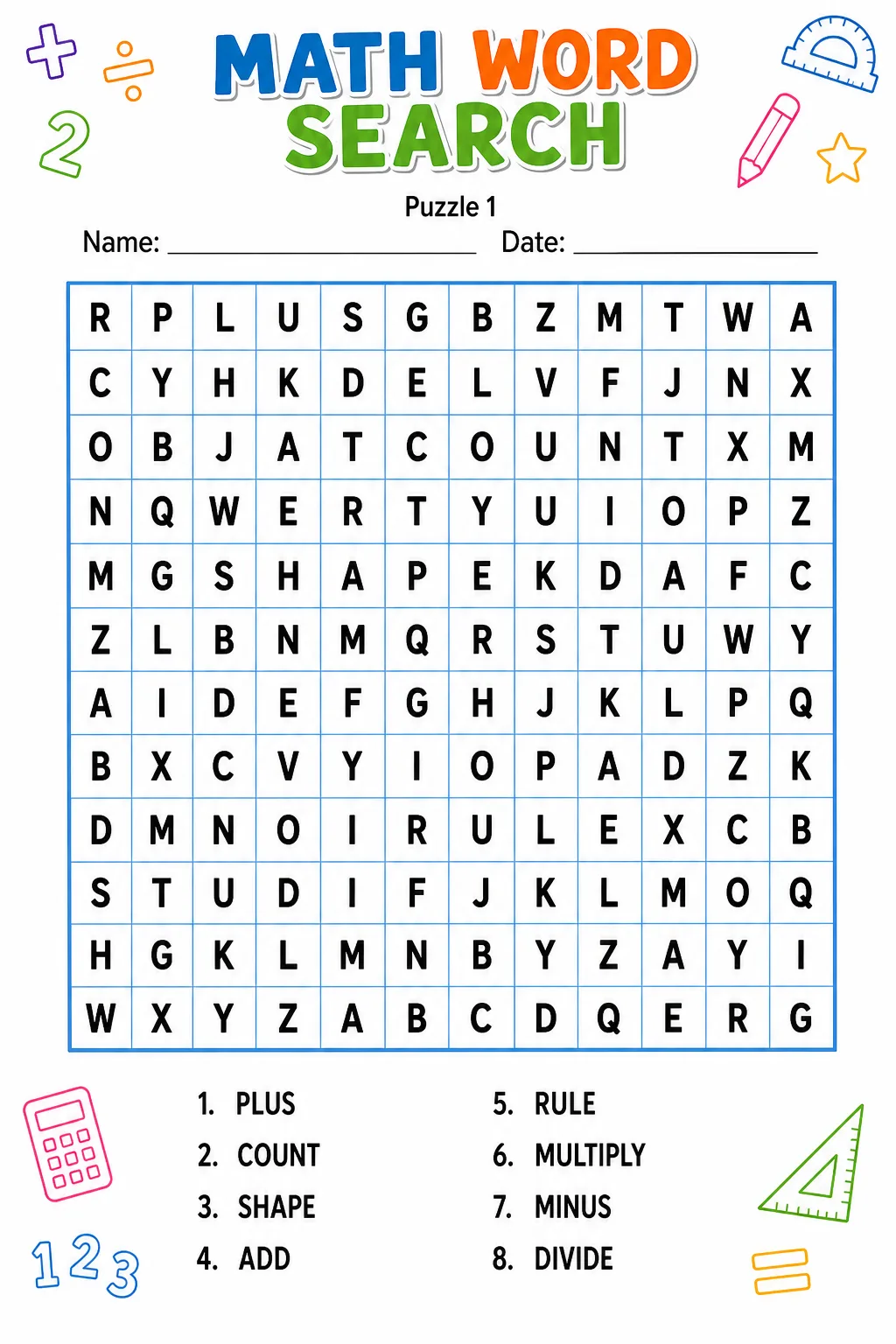
To create a custom word search puzzle for kindergarten math, start by selecting a clear theme such as numbers 1-5, basic shapes, or simple math terms. Compile a list of words that are easy to recognize and spell for young learners. Keep the word list short—around 5 to 10 words—to match their attention span.
Next, pick a grid size appropriate for kindergarteners, typically 8×8 or 10×10 letters. Place the words horizontally or vertically to keep the puzzle straightforward. Avoid diagonal or backward words at this stage, as these can be confusing for beginners. Fill the remaining spaces with random letters to complete the grid.
It’s important to note that very long words or those containing spaces or special characters should be avoided because they don’t fit well in the grid and can complicate the puzzle. Once your puzzle is ready, print it along with the word list so children can easily find and circle the words. This method allows you to tailor puzzles to specific learning goals and makes math practice enjoyable for kindergarten students.
Leave a Reply